Guides · Luxury Clothing
How to Tell if Your Balenciaga Is Real or Fake (2026)
Balenciaga clothing — tees, hoodies, and sweatshirts with the oversized logo — is one of the most copied luxury-streetwear segments out there. The real thing rests on three things: the exact “BALENCIAGA” logo typography, the signature tags, and heavyweight fabric cut to a deliberately loose, boxy fit. It’s the font, the labels, and the fabric weight where replicas give themselves away most often.
Real vs fake Balenciaga: comparison table
Data current as of July 2026. Replicas evolve, so judge by the combination of signs — never a single one.
| Sign | Authentic | Fake |
|---|---|---|
| Logo typography | The “BALENCIAGA” wordmark in the house font: even kerning, correct stroke weight and letter height; the front print is dense and sharp. | A near-miss typeface (close but not it), broken kerning, letters too thin or too heavy, a wandering wordmark. |
| BB monogram and “©Balenciaga” | Interlocking BB with precise, symmetrical geometry; the “©Balenciaga” mark with a correct copyright symbol and proportions. | A skewed or lopsided BB interlock, a wrong-size or misplaced “©,” distorted monogram proportions. |
| Neck tag | A woven Balenciaga label with a sharp font and correct layout; sewn on straight with clean edges. | Blurry lettering, the wrong font or layout, a crooked seam, and signs of re-stitching. |
| Size and composition tags | Size and care/composition tags in the right fonts; the correct country of manufacture (Italy/Portugal) and the right text order for the line. | A single “one-size-fits-all” label, composition errors, the wrong country, faded or smudged printing. |
| Fabric and fit | Heavyweight, dense cotton with real drape; a loose, boxy oversized silhouette that holds its shape. | Thin, lightweight fabric, a piece that sits close to the body or fits “wrong,” cuffs and hem that behave differently. |
| Print, stitching, and hems | A dense, even print with accurate registration; an intentionally distressed/washed look (Paris) that stays clean and tidy; straight seams and dense hems. | Off registration, crude “fake” distressing, thin or cracking print, crooked seams and uneven hems. |
The difference is in the details — drag the slider
Typical differences in workmanship: stitching consistency, edge finishing, detail quality. Left — factory quality, right — common replica flaws.
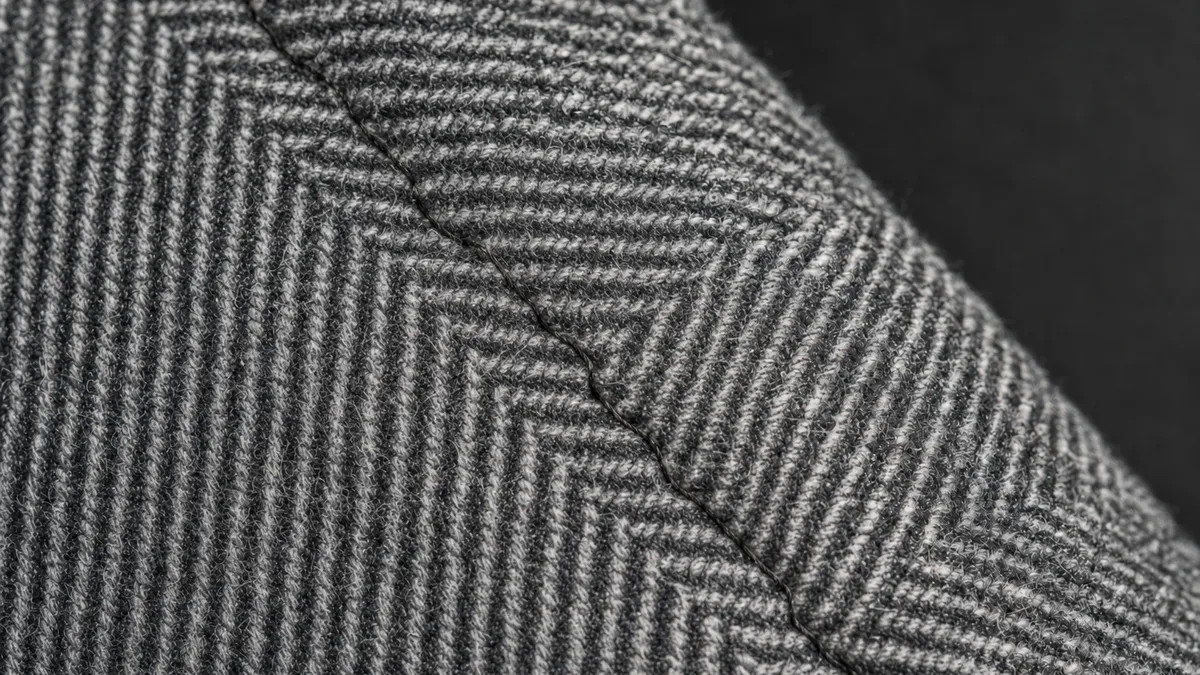 Replica
 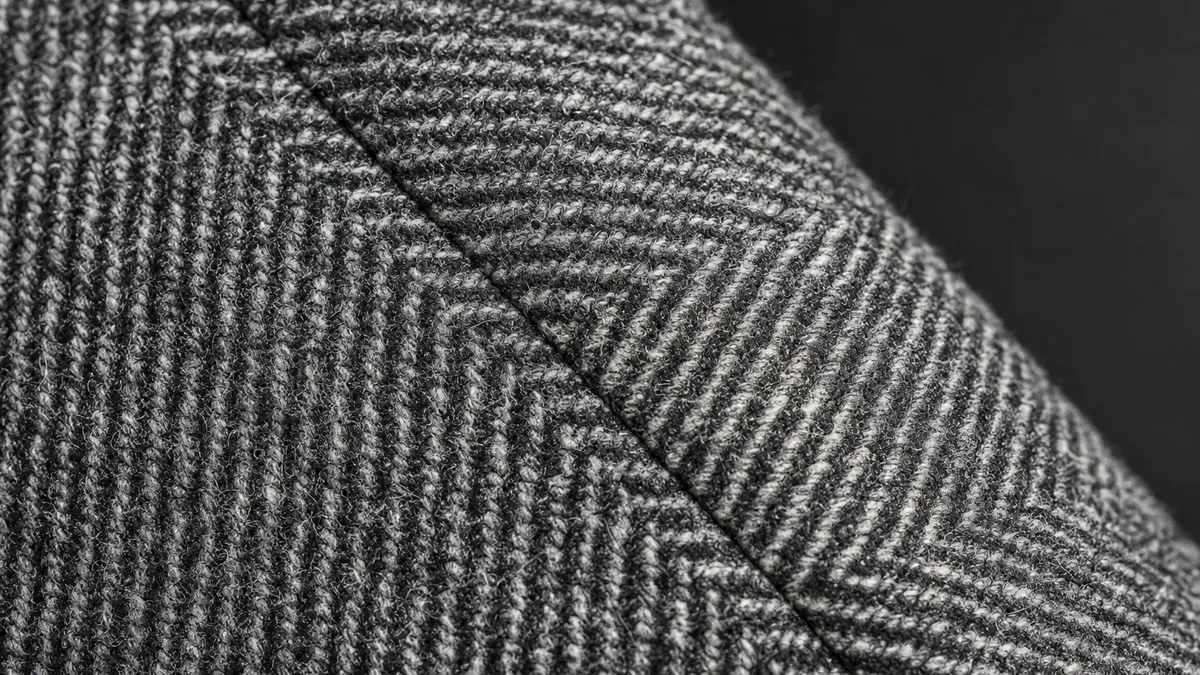 Authentic
 1. Logo typography
Authentic: The “BALENCIAGA” wordmark in the house font: even kerning, correct stroke weight and letter height; the front print is dense and sharp.
Fake: A near-miss typeface (close but not it), broken kerning, letters too thin or too heavy, a wandering wordmark.
2. BB monogram and “©Balenciaga”
Authentic: Interlocking BB with precise, symmetrical geometry; the “©Balenciaga” mark with a correct copyright symbol and proportions.
Fake: A skewed or lopsided BB interlock, a wrong-size or misplaced “©,” distorted monogram proportions.
3. Neck tag
Authentic: A woven Balenciaga label with a sharp font and correct layout; sewn on straight with clean edges.
Fake: Blurry lettering, the wrong font or layout, a crooked seam, and signs of re-stitching.
4. Size and composition tags
Authentic: Size and care/composition tags in the right fonts; the correct country of manufacture (Italy/Portugal) and the right text order for the line.
Fake: A single “one-size-fits-all” label, composition errors, the wrong country, faded or smudged printing.
5. Fabric and fit
Authentic: Heavyweight, dense cotton with real drape; a loose, boxy oversized silhouette that holds its shape.
Fake: Thin, lightweight fabric, a piece that sits close to the body or fits “wrong,” cuffs and hem that behave differently.
6. Print, stitching, and hems
Authentic: A dense, even print with accurate registration; an intentionally distressed/washed look (Paris) that stays clean and tidy; straight seams and dense hems.
Fake: Off registration, crude “fake” distressing, thin or cracking print, crooked seams and uneven hems.
Popular Balenciaga models
Model-by-model checks — what to look at on each:
Where to inspect
The key zones to photograph and check on this type of item — a schematic, not a product photo.
- 1Neck label and tags
- 2Print and its printing
- 3Stitching and hem
- 4Shoulder and sleeve seam
- 5Fabric and weight
How to photograph your Balenciaga for a check
Shoot in daylight, avoid glare, keep focus sharp. You need 5 angles:
- 1 Full item (front with logo)
- 2 “BALENCIAGA” wordmark close-up
- 3 Neck tag
- 4 Size and composition tags
- 5 Print and stitching
How to read the result
The AI returns a verdict with a confidence score:
- 75–100% — Authentic: high confidence the item is genuine.
- 60–74% — Likely authentic: probably genuine with minor concerns.
- 40–59% — Uncertain: the photos are not conclusive — retake or add angles.
- 25–39% — Likely fake: several red flags.
- 0–24% — Fake: clear signs of a replica.
Check your Balenciaga right now
Snap photos of your item and get an AI verdict with a confidence score in about a minute.
FAQ
What’s the fastest Balenciaga tell?
The combination of “logo typography + fabric weight and fit.” The real thing uses a strict house font with exact kerning, while replicas grab a near-miss typeface and mangle the spacing. Add genuine heavyweight cotton and a loose, boxy silhouette: thin fabric or a close fit is an immediate red flag.
The tee has a worn, faded look — is that a defect?
No. On lines like Paris, the distressed/washed look is done on purpose — it’s part of the design. What matters is that the effect stays clean and controlled, not a crude “fake” hole; on replicas that distressing usually looks sloppy.
How do I check Balenciaga tags?
Look at the woven neck label, the size tag, and the care/composition tag: correct fonts, a tidy layout, a straight seam, and the right country of manufacture (Italy/Portugal). Blurry lettering, a “one-size-fits-all” label, or composition errors are replica tells.
Is a photo of the logo enough?
The logo is the strongest single signal, but a reliable verdict comes from the combination: typography + tags + fabric/fit + print. The app tells you which angles to shoot and cross-references the piece against the release.