Guides · Cosmetics
How to Tell if Your La Mer Is Real or Fake (2026)
La Mer – Crème de la Mer, The Concentrate, The Treatment Lotion, The Eye Concentrate – is among the most counterfeited luxury skincare brands, so the check rests on packaging and print quality, not the "formula." The real thing shows in thick frosted glass with even frosting, lids that seat with no visible gap, crisp printing on the box and bottle, and a matching batch code. It's the glass casting, the fonts, and the code where replicas give themselves away most often – though no single tell offers a 100% guarantee from one photo; only the combination, plus an in-hand check, does.
Real vs fake La Mer: comparison table
Data current as of July 2026. Replicas evolve, so judge by the combination of signs – never a single one.
| Sign | Authentic | Fake |
|---|---|---|
| Frosted glass and tint | Thick frosted glass with even, consistent frosting and the correct restrained tint. Weight is an in-hand check and can't be judged from a photo. | Patchy or uneven frosting, a glossy plasticky-looking sheen instead of even frosting, or an obviously wrong tone. |
| Lid and its fit | A lid that threads on snugly with no visible gap, burrs, or molding flash. Weight is an in-hand check and can't be judged from a photo. | A cheap-looking plastic lid, a visible gap or skew when seated, and signs of cheap casting. |
| Bottle format | The Concentrate has a pump; The Treatment Lotion is a splash bottle poured from the neck (typically onto a cotton pad), no pump; the cream and eye jars come with a spatula/metal applicator. | A mixed-up format: a pump where a splash bottle belongs, a missing spatula/applicator, or a rough, "tinny" applicator. |
| Box print and fonts | A sturdy cardboard box with crisp, even "La Mer" printing, correct kerning and stroke weight, and clean edges and flaps. | Thin cardboard, a muddy logo, drifting letters, off kerning, and faded or misaligned printing. |
| Cream texture and scent | Texture and scent can't be judged from a photo at all – that's an in-hand, on-opening check, and it doesn't affect the photo verdict. | Texture and scent aren't judged from photos, so they don't factor into the photo verdict; rely on the packaging, print, and batch code instead. |
| Batch code: present and matching | A batch code is present on both the box and the bottle base and matches between them; cross-checked with the seller where possible. | Different codes on packaging and bottle, no code at all, or wiped/relabeled markings. |
The difference is in the details – drag the slider
Typical differences in workmanship: stitching consistency, edge finishing, detail quality. Left – factory quality, right – common replica flaws.
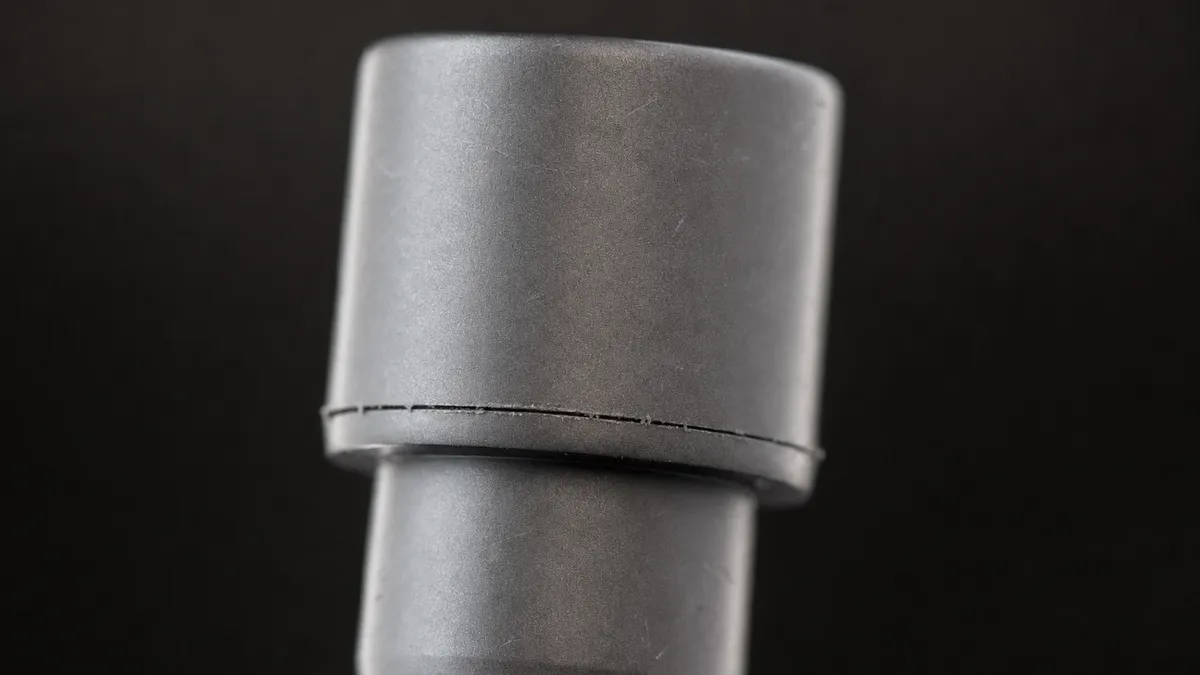 Replica
 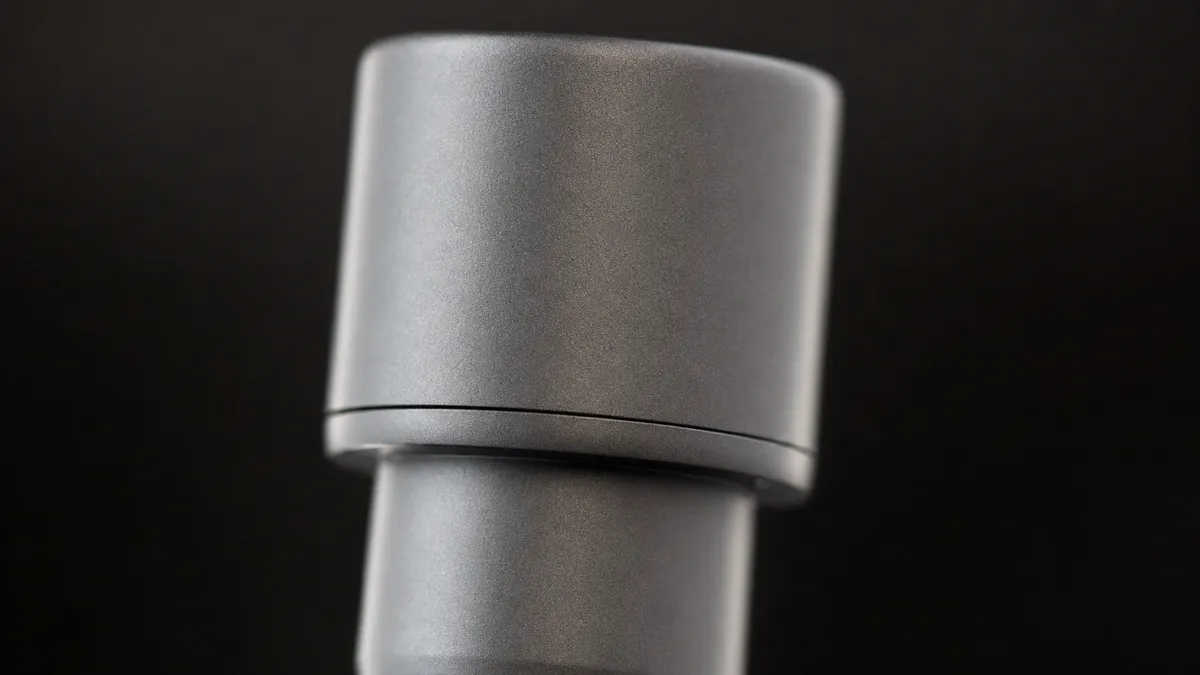 Authentic
 1. Frosted glass and tint
Authentic: Thick frosted glass with even, consistent frosting and the correct restrained tint. Weight is an in-hand check and can't be judged from a photo.
Fake: Patchy or uneven frosting, a glossy plasticky-looking sheen instead of even frosting, or an obviously wrong tone.
2. Lid and its fit
Authentic: A lid that threads on snugly with no visible gap, burrs, or molding flash. Weight is an in-hand check and can't be judged from a photo.
Fake: A cheap-looking plastic lid, a visible gap or skew when seated, and signs of cheap casting.
3. Bottle format
Authentic: The Concentrate has a pump; The Treatment Lotion is a splash bottle poured from the neck (typically onto a cotton pad), no pump; the cream and eye jars come with a spatula/metal applicator.
Fake: A mixed-up format: a pump where a splash bottle belongs, a missing spatula/applicator, or a rough, "tinny" applicator.
4. Box print and fonts
Authentic: A sturdy cardboard box with crisp, even "La Mer" printing, correct kerning and stroke weight, and clean edges and flaps.
Fake: Thin cardboard, a muddy logo, drifting letters, off kerning, and faded or misaligned printing.
5. Cream texture and scent
Authentic: Texture and scent can't be judged from a photo at all – that's an in-hand, on-opening check, and it doesn't affect the photo verdict.
Fake: Texture and scent aren't judged from photos, so they don't factor into the photo verdict; rely on the packaging, print, and batch code instead.
6. Batch code: present and matching
Authentic: A batch code is present on both the box and the bottle base and matches between them; cross-checked with the seller where possible.
Fake: Different codes on packaging and bottle, no code at all, or wiped/relabeled markings.
Popular La Mer models
Model-by-model checks – what to look at on each:
Where to inspect
The key zones to photograph and check on this type of item – a schematic, not a product photo.
- 1Cap and fit
- 2Label printing
- 3Batch code on base
- 4Pump / applicator
- 5Glass and moulding
How to photograph your La Mer for a check
Shoot in daylight, avoid glare, keep focus sharp. You need 5 angles:
- 1 Full bottle/jar
- 2 Lid and neck (or pump) close-up
- 3 "La Mer" print on the container
- 4 Box and its print
- 5 Batch code on the box and on the bottle base
How to read the result
The AI returns a verdict with a confidence score:
- 75–100% – Authentic: high confidence the item is genuine.
- 60–74% – Likely authentic: probably genuine with minor concerns.
- 40–59% – Uncertain: the photos are not conclusive – retake or add angles.
- 25–39% – Likely fake: several red flags.
- 0–24% – Fake: clear signs of a replica.
Check your La Mer right now
Snap photos of your item and get an AI verdict with a confidence score in about a minute.
FAQ
What's the fastest La Mer tell?
The combination of "packaging quality + print + a matching batch code." The real thing is thick frosted glass with even frosting, a lid with no visible gap, and crisp printing on the box and bottle. Replicas give themselves away with patchy frosting, a cheap-looking plastic lid, blurry fonts, and a mismatched or missing code. But one photo never gives a 100% guarantee – you need the set of signals.
The Treatment Lotion has no pump – is it fake?
No. The Treatment Lotion is a splash bottle: the lotion pours from the neck (typically onto a cotton pad), and it has no pump. The pump belongs to The Concentrate. So a lotion with no pump is normal – but a pump on the lotion, or a splash bottle for The Concentrate, is a reason to be cautious.
How do I check a La Mer batch code?
The code should be present on both the box and the bottle base and match between them; cross-check it with the seller where possible. Don't rely on a "correct format" from memory or decode the code into a specific date – what matters is that the code is present and matches on packaging and product.
Is one photo enough to tell it's real?
No. Luxury cosmetics are heavily faked, but no single signal gives a 100% guarantee from a photo. A reliable verdict comes from the combination: packaging + print + bottle format + batch code, and texture and scent can only be judged honestly in hand. The app tells you which angles to shoot and scores the risk.