Air Jordan · Authentication
Jordan 11 Retro: real vs fake
The Jordan 11 Retro is the holiday release of the year – Concord, Bred, and Cool Grey sell out in minutes, and by December the market floods with replicas. Fakes are exposed by an uneven patent leather mudguard line, a cloudy translucent outsole, and a printed pattern standing in for real carbon fiber.
What to check on the Jordan 11 Retro
Model-specific zones – on top of the brand-level signs.
Patent leather mudguard
The wavy patent leather line is tightly specced on retail pairs: the wave height matches on both shoes and the shine is smooth and deep. Replica cut lines wander in height, and the patent looks dull with orange-peel texture. On some premium releases the mudguard is suede rather than patent – in that case the wave-of-patent check doesn’t apply.
Carbon fiber plate
Through the clear outsole of a retail pair you see genuine carbon: the weave has depth and shimmers as the angle changes. Fakes insert a film with a printed texture – flat and identical from every angle.
Translucent outsole
The retail icy sole is clean with a uniform tint (a light blue hue on Concords). Replicas show cloudiness, trapped bubbles, and yellow streaks straight out of the box.
Upper material
On standard retros the upper is dense ballistic (Cordura) mesh with a fine rib that holds its shape. Replica mesh is soft, shines like ordinary nylon, and wrinkles across the toe. On premium and SE releases (Heiress Velvet, suede versions) the upper and mudguard use different materials altogether – match the build to your specific release.
Heel Jumpman
The heel embroidery sits dead center on retail pairs, with the figure’s limbs clearly separated. On fakes the logo drifts off-center, tilts, or runs bolder than spec.
Where to inspect
The key zones to photograph and check on this type of item – a schematic, not a product photo.
- 1Logo shape and placement
- 2Toe box and upper shape
- 3Heel counter and tab
- 4Midsole and stitching
- 5Tongue and size tag
The difference is in the details – drag the slider
Typical differences in workmanship: stitching consistency, edge finishing, detail quality. Left – factory quality, right – common replica flaws.
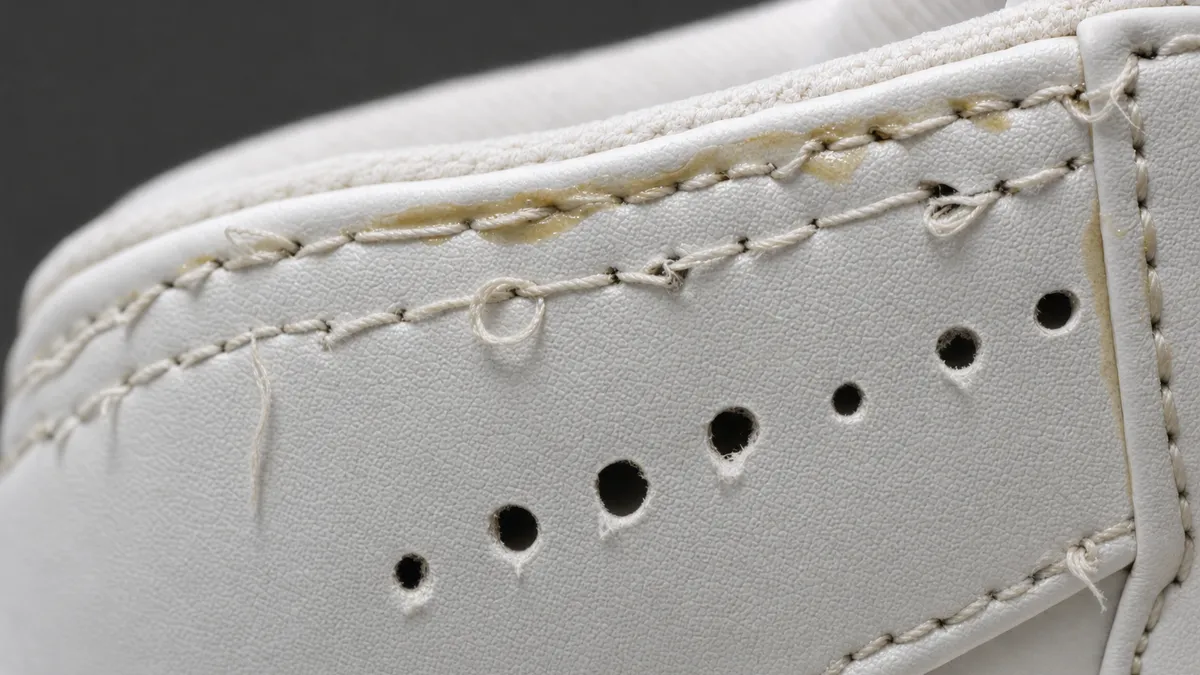 Replica
 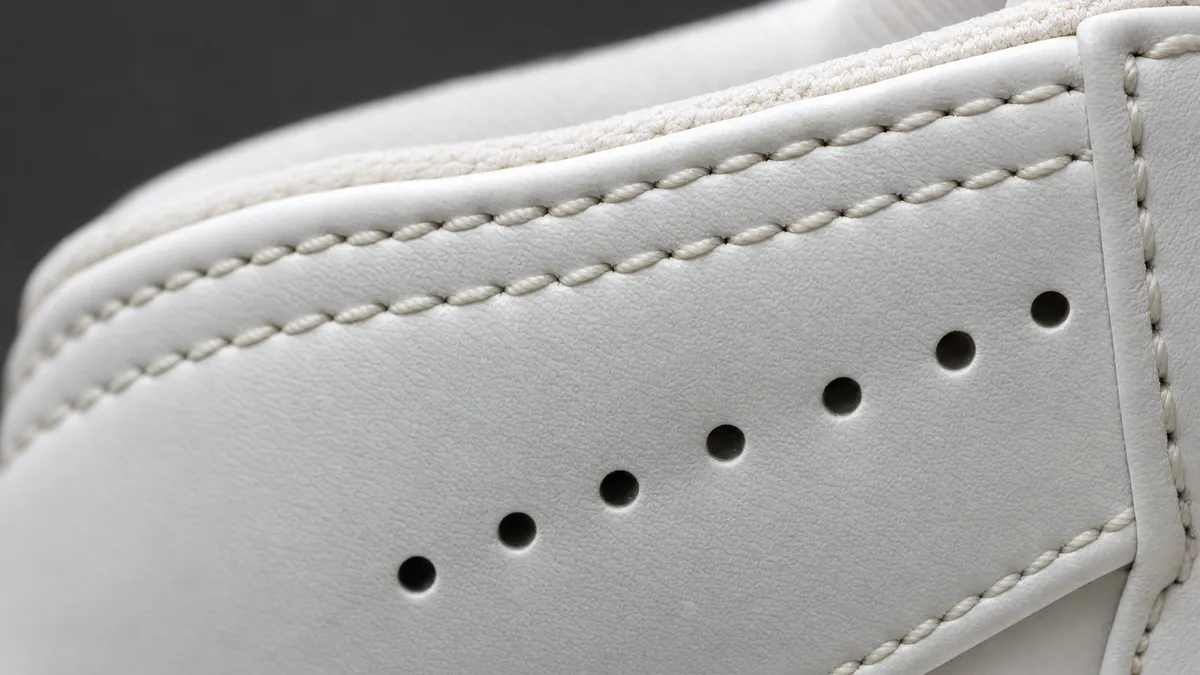 Authentic
 Photo angles for the check
- 1 Overall view
- 2 Logo
- 3 Interior tag
- 4 Outsole
- 5 Box label
Check your Jordan 11 Retro right now
Snap photos of your item and get an AI verdict with a confidence score in about a minute.
FAQ
How do I verify the carbon fiber in a Jordan 11 sole is real?
Look at the plate through the clear outsole from several angles: genuine carbon weave has depth and its sheen shifts as you tilt the shoe. The printed imitation in replicas stays flat and identical from any viewpoint.
Why is the patent leather line the key check zone on 11s?
The wavy mudguard cut follows a strict template, and on retail pairs the wave height is symmetrical between left and right shoes. Replicas cut the patent by hand or from sloppy templates, so the line wanders – easy to spot with both shoes in one photo.
Is a yellowed Jordan 11 sole a bad sign?
On worn or older pairs, light yellowing is normal aging of clear rubber. What should worry you is a brand-new pair with a cloudy or unevenly yellow sole: cheap replica plastic yellows straight from the factory.
More Air Jordan models
Other sneakers brands
Check another brand in this category: