Hoka · Authentication
Transport: real vs fake
The Transport is Hoka’s urban lifestyle model, and it needs a different check than the running line: weight shifts onto upper quality and hardware. Reps give away cheap upper material, coarse loops and pulls, crooked stitching, and a simplified sole geometry. Shoot the upper, the hardware, and the sole profile – LegitCheck AI compares the zones and returns a verdict.
What to check on the Transport
Model-specific zones – on top of the brand-level signs.
Upper quality
On retail the upper material is dense with an even texture and uniform color, and the panels fit with no gaps. Reps give away thin, crinkly, or unnaturally glossy material, color mismatch between panels, and creasing straight out of the box.
Hardware and loops
Eyelets, lace loops, adjusters, and the heel pull are tidy on retail, set straight and cleanly finished, free of flash and burrs. Judge seating and finish quality rather than the material itself: hardware composition varies by release and colorway – check against documented release references.
Stitching and panel edges
Stitching is even with consistent stitch length, no skips and no stray threads; panel edges are cleanly finished. On copies the stitch length drifts, seams wander along the contour, and cut edges look unfinished.
Sole geometry and rocker
The EVA stack profile flows, sidewalls are even, layers are symmetric left and right, and the Meta-Rocker is pronounced. On reps the sole is puffed or shaved, layers differ in height, and the profile is flat.
Logo and branding
The Hoka logo on the sidewall, tongue, and heel has measured proportions with crisp print or embroidery edges. Mushy or shifted lettering is a signal; Hoka One One-era releases can carry different branding, which isn’t automatically a defect.
Bonding, insole, label
The sole bond line is even with no glue pooling or gaps; size and model printing on the insole and inner label is crisp. “Made in” is often Vietnam or Cambodia – treat that loosely and compare everything with documented release references.
Where to inspect
The key zones to photograph and check on this type of item – a schematic, not a product photo.
- 1Logo shape and placement
- 2Toe box and upper shape
- 3Heel counter and tab
- 4Midsole and stitching
- 5Tongue and size tag
The difference is in the details – drag the slider
Typical differences in workmanship: stitching consistency, edge finishing, detail quality. Left – factory quality, right – common replica flaws.
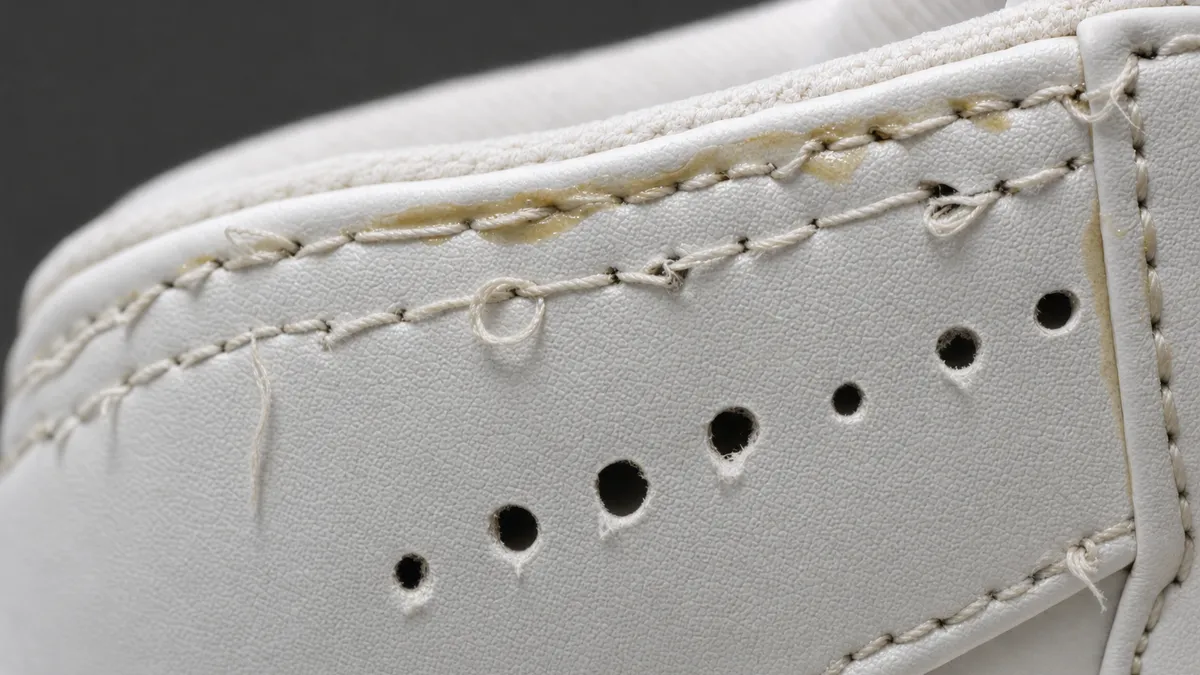 Replica
 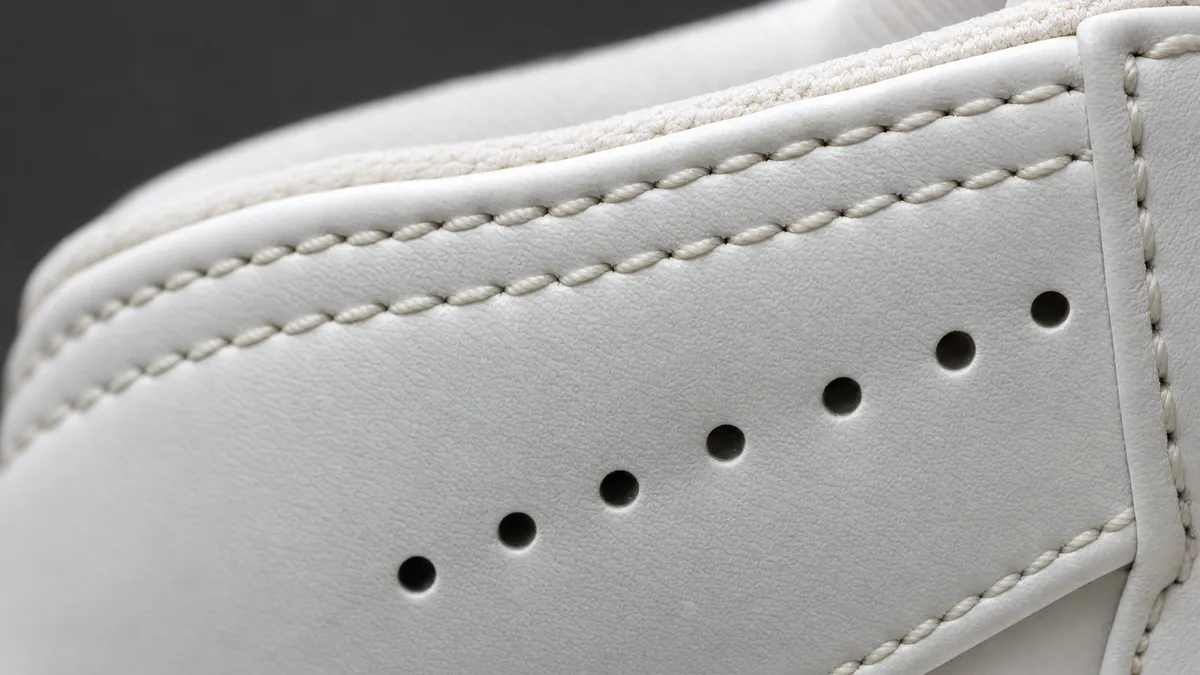 Authentic
 Photo angles for the check
- 1 Overall view
- 2 Logo
- 3 Interior tag
- 4 Outsole
- 5 Box label
Check your Transport right now
Snap photos of your item and get an AI verdict with a confidence score in about a minute.
FAQ
How does checking a Transport differ from running Hokas?
Priorities shift: on a lifestyle model, upper quality, hardware, and stitching carry more weight because they’re on display daily. Sole geometry and the rocker remain mandatory zones all the same.
What should I look for in the hardware?
How neatly the eyelets and loops are seated, whether the metal is clean and free of flash, and whether the heel pull is attached straight. Coarse finishing and chewed edges are a common rep tell.
Can I get a verdict from photos alone?
The upper, hardware, stitching, and sole profile all show clearly. Shoot the pair from the side, close-ups of the hardware and stitching, the outsole from below, and the inner label – LegitCheck AI compares the zones and returns a verdict with a confidence score.
More Hoka models
Other sneakers brands
Check another brand in this category: