Hoka · Authentication
Speedgoat 5: real vs fake
The Speedgoat 5 is Hoka’s trail model, and its key technical area is the aggressive trail outsole with deep lugs. Reps simplify the tread pattern, shrink the lugs, and distort the stack geometry, so check the outsole from below and the profile from the side. Upload both frames to LegitCheck AI for a verdict.
What to check on the Speedgoat 5
Model-specific zones – on top of the brand-level signs.
Trail outsole from below
On retail the lugs are deep with crisp edges, and the pattern and traction-zone layout match the release reference. Reps simplify the geometry: shallower lugs, mushy edges, softer rubber that reads plasticky. Don’t assert the rubber brand from photos – judge molding quality and pattern match instead.
EVA stack geometry
The midsole profile flows, the sidewalls are even, and the layers run symmetrically left and right. On copies the stack is puffed or shaved and layer heights diverge between the two shoes.
Meta-Rocker for trail
On retail the heel-to-toe rocker is pronounced and works even under an aggressive outsole. A flat profile, or a curve that doesn’t sit where the reference shows, suggests the last and sole shape were copied by eye.
Upper and toe protection
The trail upper is dense, and the toe bumper is glued and stitched evenly with clean edges. Reps give away thin material, gaps under the bumper, crooked stitching, and stray threads.
Logo and printing
The Hoka logo on the sidewall and heel has correct proportions and a crisp outline. Stretched, mushy, or shifted lettering is a red flag; older releases may carry Hoka One One-era branding, which is not a defect in itself.
Bonding and inner label
The sole bond line is even with no glue pooling; the size and model printing on the insole and inner label is crisp. “Made in” is often Vietnam or Cambodia – treat that loosely and compare everything with documented release references.
Where to inspect
The key zones to photograph and check on this type of item – a schematic, not a product photo.
- 1Logo shape and placement
- 2Toe box and upper shape
- 3Heel counter and tab
- 4Midsole and stitching
- 5Tongue and size tag
The difference is in the details – drag the slider
Typical differences in workmanship: stitching consistency, edge finishing, detail quality. Left – factory quality, right – common replica flaws.
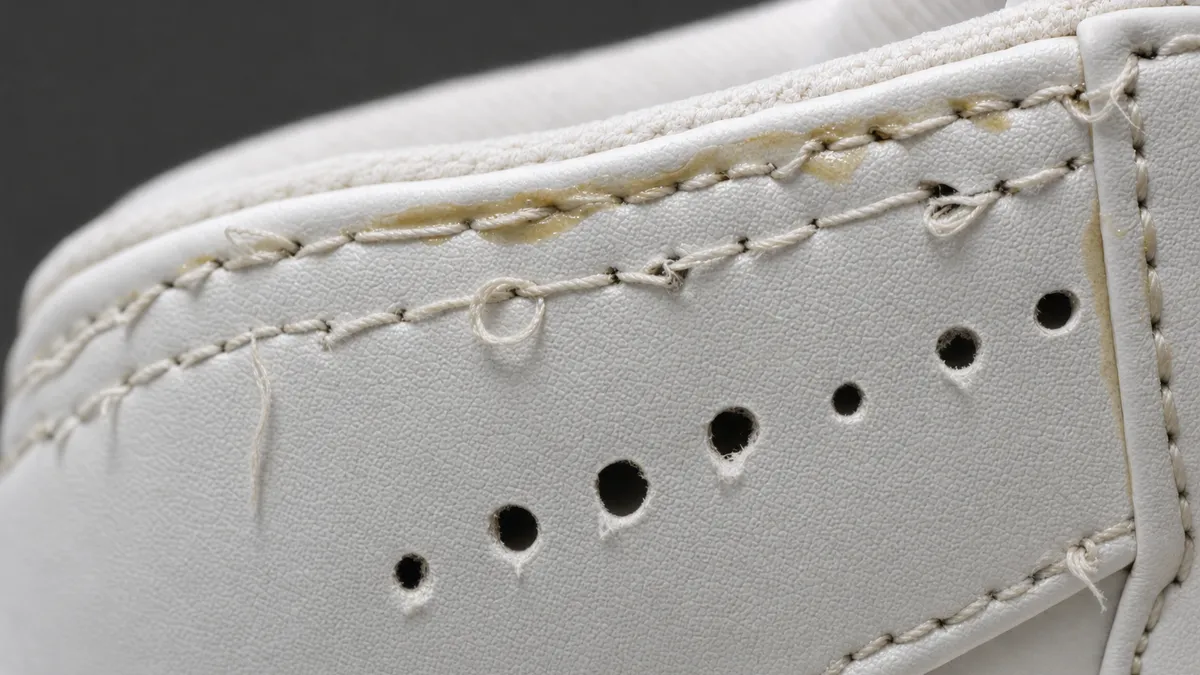 Replica
 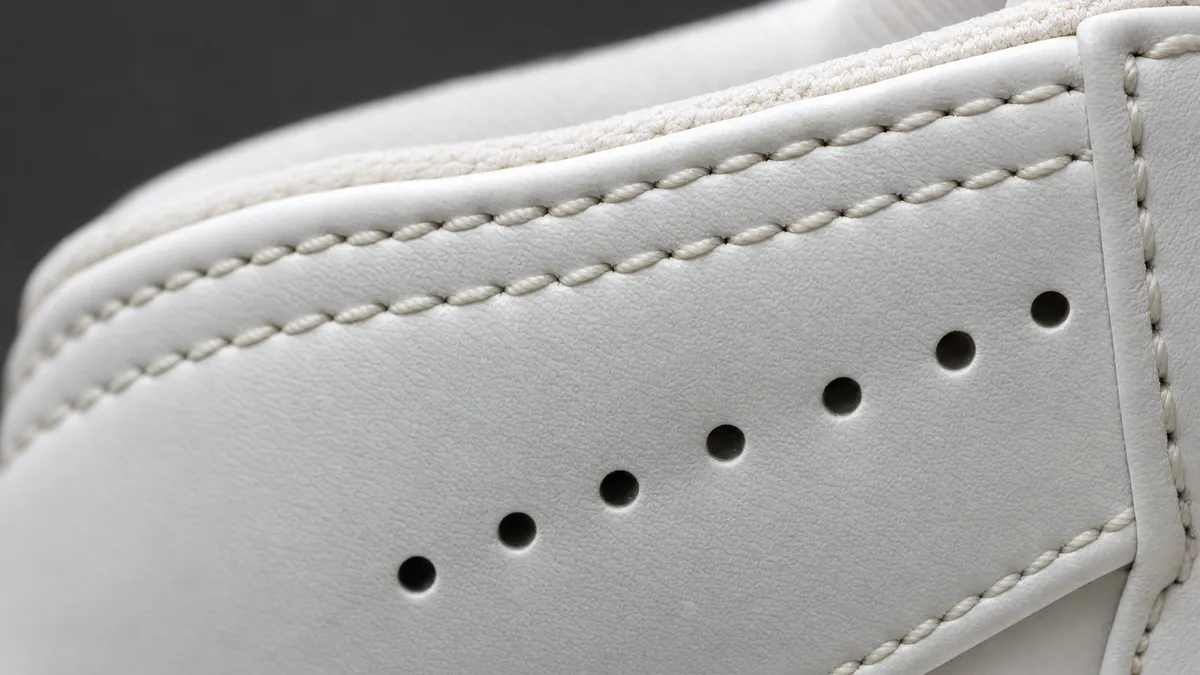 Authentic
 Photo angles for the check
- 1 Overall view
- 2 Logo
- 3 Interior tag
- 4 Outsole
- 5 Box label
Check your Speedgoat 5 right now
Snap photos of your item and get an AI verdict with a confidence score in about a minute.
FAQ
How does checking a Speedgoat 5 differ from road Hokas?
The outsole is added: on a trail model the key area is lug depth and crispness plus the traction-zone layout. Otherwise the same zones apply – stack geometry, rocker, bonding, and branding.
Can I identify the outsole rubber brand from photos?
Not reliably, and it shouldn’t be asserted. From photos it’s sounder to judge molding quality: lug depth, edge crispness, rubber density, and how well the pattern matches documented release references.
Which shots do I need?
The full outsole from below, the pair straight from the side, a close-up of the toe bumper, the tongue, and the inner label. LegitCheck AI cross-references these zones and returns a verdict with a confidence score.
More Hoka models
Other sneakers brands
Check another brand in this category: