PSA Graded · Authentication
PSA Slab: real vs fake
A PSA slab is not the card – it is the plastic case and label around it, and that case is what gets faked: a fully counterfeit holder, a reprinted label glued onto someone else’s case, or a genuine case that was opened to swap the card inside. Checking a slab starts with the case itself, the seam, and the cert number – not the card. Upload photos to LegitCheck AI to check these zones.
What to check on the PSA Slab
Model-specific zones – on top of the brand-level signs.
Cert number and the PSA database
Find the number on the label and look it up in PSA’s Cert Verification tool – focus not on the fact that a number exists, but on the card name, set and grade the database returns for it. A matching number alone proves nothing: the number of a real, existing cert can be reprinted onto a fake label.
Case weld seam
A genuine case has an even weld seam around the perimeter, with no step, no bulge of excess plastic and no glue residue between the halves. Resealed cases often show a wavy or offset seam, misaligned halves or a visible gap – a sign the case was opened.
Card position in the window
The card should sit centered in the window, parallel to the case frame. Noticeable tilt, a card sitting at an angle or pressed against one wall can point to a swap into a mismatched insert. Minor asymmetry on older holder generations happens and does not by itself prove a swap.
Label generation and cert date
PSA’s label design has been updated more than once over the company’s history, and older certs look different from current ones. Compare the label against documented photos of the same generation, matched to the cert date – an older-looking design is not by itself a fake tell.
Reholdering is not itself a red flag
A card can legitimately end up in a new case through PSA’s official reholder service – usually keeping the same cert number rather than getting a new one: reholdering just moves the card into a current-style holder. "Fresh case, old card" on its own proves nothing – what matters is what the database shows for the current number.
Case scuffs and wear
Light scratches, corner wear and general plastic wear are ordinary handling and shipping damage, not a fake tell. Judge the seam, card position and database match – not how pristine the case looks.
Where to inspect
The key zones to photograph and check on this type of item – a schematic, not a product photo.
- 1Corners and cut
- 2Centering
- 3Surface and gloss
- 4Edges and plies
- 5Print rosette
The difference is in the details – drag the slider
Typical differences in workmanship: stitching consistency, edge finishing, detail quality. Left – factory quality, right – common replica flaws.
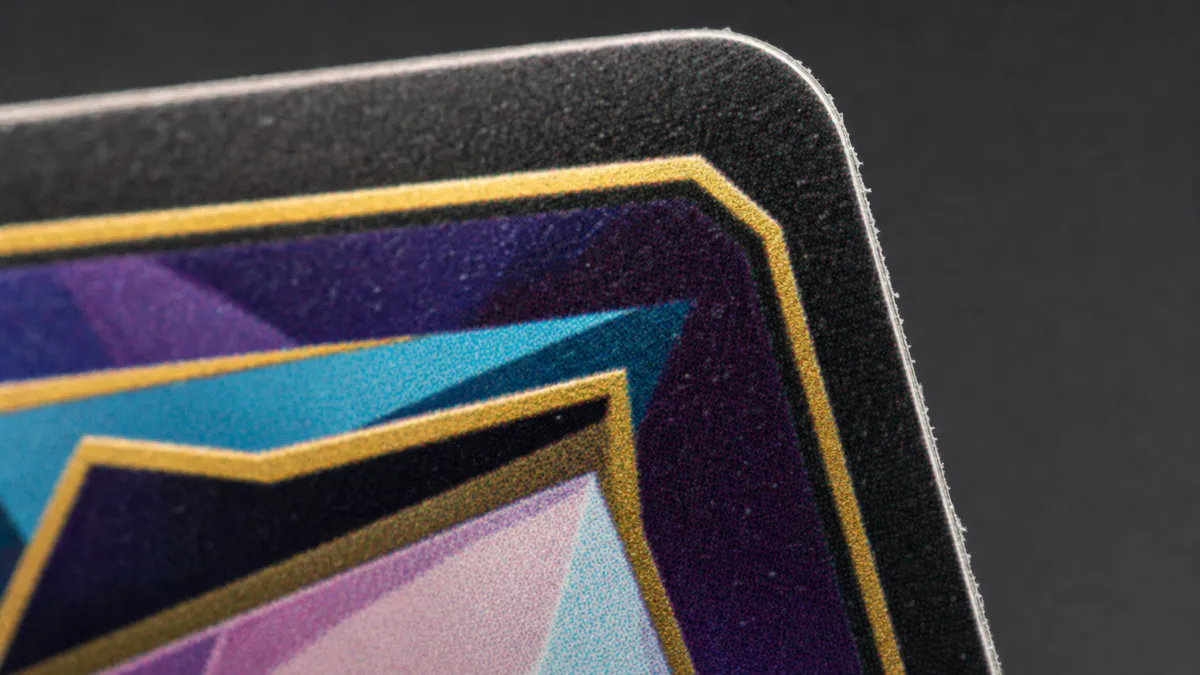 Replica
 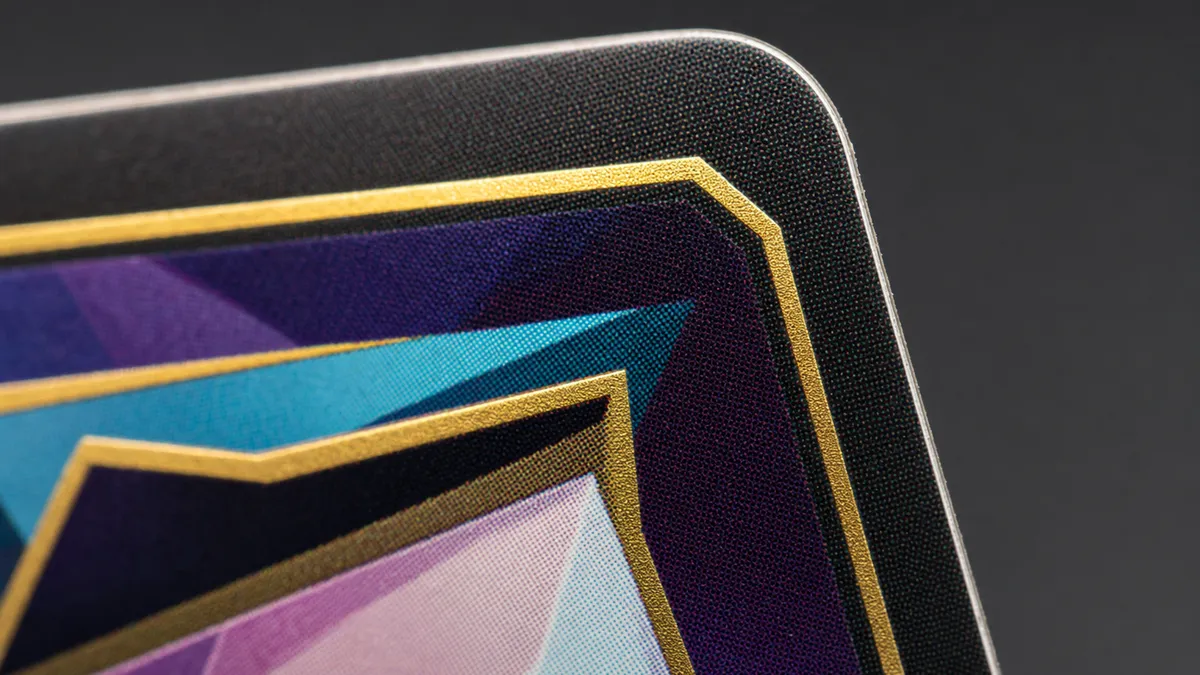 Authentic
 Photo angles for the check
- 1 Overall view
- 2 Logo / tag
- 3 Details & stitching
- 4 Material
Check your PSA Slab right now
Snap photos of your item and get an AI verdict with a confidence score in about a minute.
FAQ
Is matching the cert number enough to trust a slab?
No – a matching number alone proves nothing, because the number of a real cert can be reprinted onto a fake label. Compare the card name, set and grade the PSA database returns for that number against what is printed on the label and visible on the card itself.
Is an old label with no photo in the PSA database suspicious?
No. Photo capture for certs was not part of the database from the start, and many older records simply have no card image – that is normal for certs of that era, not a fake tell.
The case looks new but the cert is old – is that a fake?
Not by itself: PSA officially reholders cards into a new case at the owner’s request. Check the cert number in the database and match the card to the description – a mismatched case date alone does not mean a counterfeit slab.
More PSA Graded models
Other trading cards brands
Check another brand in this category: