PSA Graded · Authentication
PSA Hologram: real vs fake
The hologram on a PSA label is another security element checked alongside the print and cert number – not instead of them. First thing to know: a hologram on the face of the label is a comparatively recent addition, arriving around 2015, and older certs may have none there at all – normal for their generation, not a fake tell. On a current label, a genuine hologram shifts its pattern and shine as you tilt it, while crude fakes look flat, oily, or simply printed on. Upload photos of the label at two or three angles to LegitCheck AI to check this and the other tells.
What to check on the PSA Hologram
Model-specific zones – on top of the brand-level signs.
Behavior when tilted
Photograph the label at two or three different angles: a genuine hologram’s pattern and shine noticeably shift as you rotate it. A hologram that looks equally flat in every shot, or reads like an ordinary shiny sticker with no pattern change, is worth questioning.
Sharpness of the hologram pattern
The hologram’s elements should be crisp, with no blur or "melted together" detail. A smeared, grainy or fuzzy pattern is typical of cheap print on a resealed label.
Placement and registration on the label
The hologram should sit precisely in its designated spot on the label, with no tilt and nothing spilling past its zone. A noticeable shift or an uneven edge points to a crude reseal rather than factory print.
Hologram design generation
A hologram on the front of the label is a comparatively recent addition – PSA brought it to the label face around 2015. Many older certs, including a large share of valuable vintage slabs, have no front-label hologram at all; that generation placed its security element elsewhere. So compare only against documented photos of the same generation and cert date, not against the current design.
Not a standalone check
The hologram gets faked right along with the rest of the label, so it doesn’t replace checking the cert number in the PSA database or inspecting the case seam. Treat it as one signal among several, not a test on its own.
Scuffs on the hologram
Light scuffs and scratches on the hologram from years of storage are ordinary wear, not a fake tell. What matters is how it behaves on tilt and how sharp the pattern is – not how pristine the surface looks.
Where to inspect
The key zones to photograph and check on this type of item – a schematic, not a product photo.
- 1Corners and cut
- 2Centering
- 3Surface and gloss
- 4Edges and plies
- 5Print rosette
The difference is in the details – drag the slider
Typical differences in workmanship: stitching consistency, edge finishing, detail quality. Left – factory quality, right – common replica flaws.
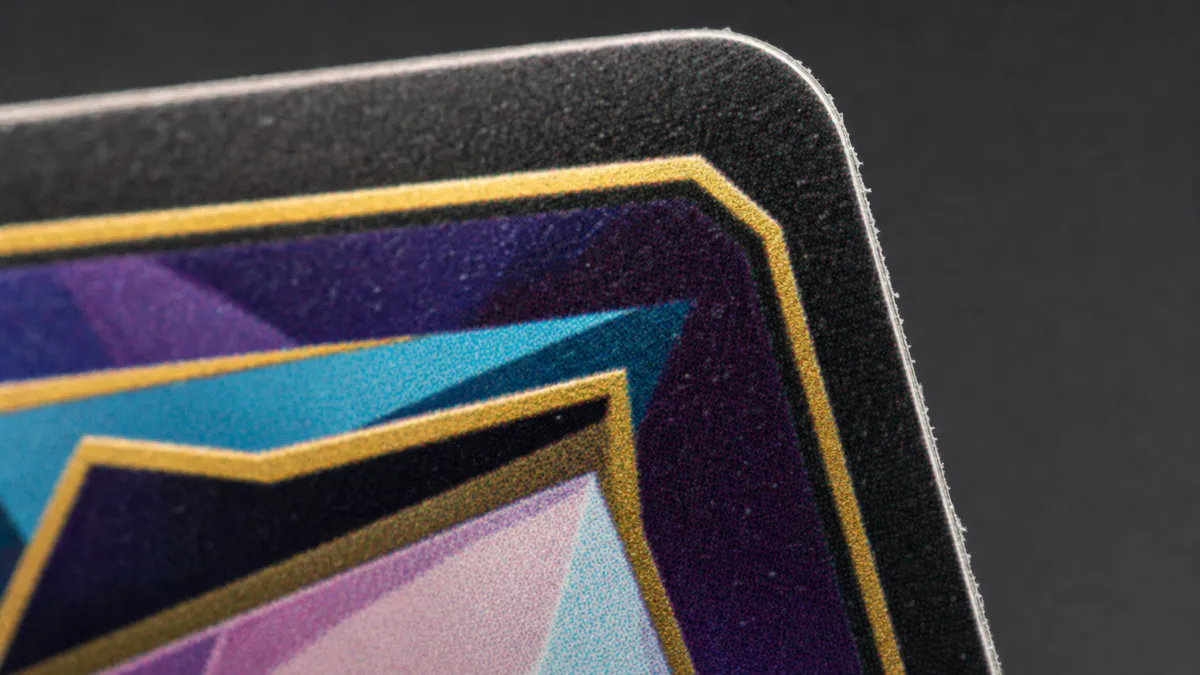 Replica
 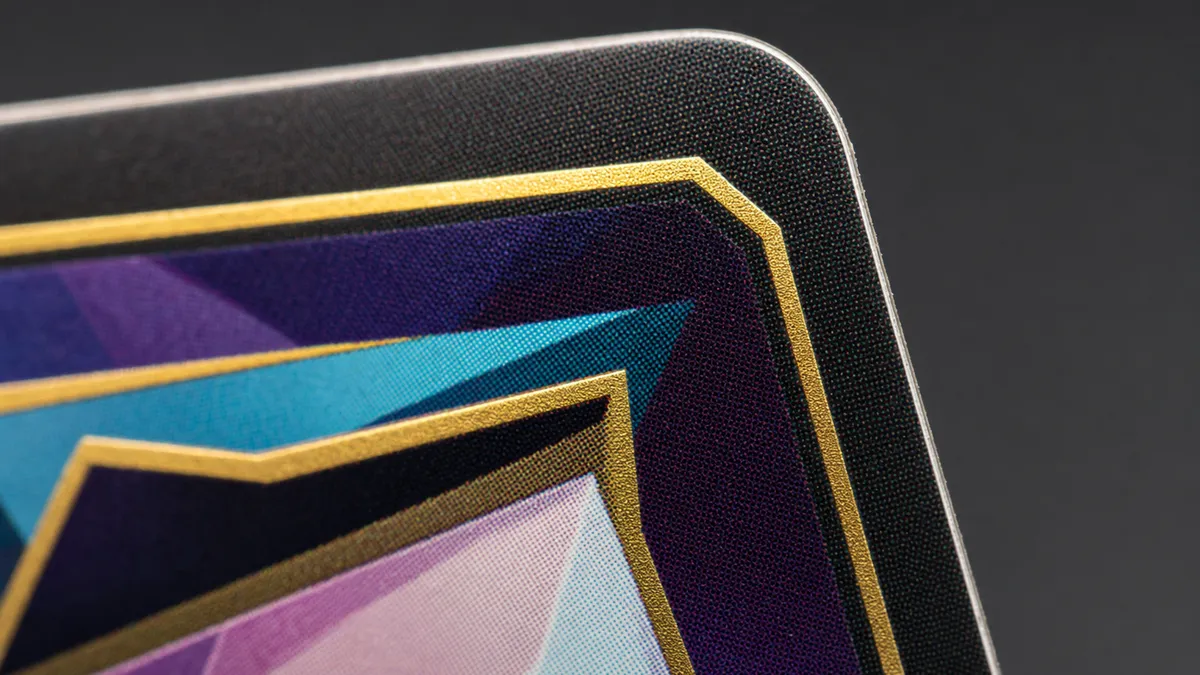 Authentic
 Photo angles for the check
- 1 Overall view
- 2 Logo / tag
- 3 Details & stitching
- 4 Material
Check your PSA Hologram right now
Snap photos of your item and get an AI verdict with a confidence score in about a minute.
FAQ
How do I check a PSA hologram from photos?
Start with the certification date: if it predates the mid-2010s, there may be no front-label hologram to look for at all. On a current label, take two or three shots at different angles – a genuine hologram’s pattern and shine shift as you do. A flat, unchanging image is worth a closer look, but on its own it is not a final verdict.
Does a correct-looking hologram prove the slab is genuine?
No – the hologram gets faked along with the rest of the label. Even with a convincing hologram, check the cert number in the PSA database, the case seam, and whether the card matches the label description.
Is a scratch on the hologram a fake tell?
No, it’s ordinary wear from storing and shipping the slab. Check how the hologram behaves on tilt and how sharp its pattern is, not how well-preserved it looks.
More PSA Graded models
Other trading cards brands
Check another brand in this category: