PSA Graded · Authentication
PSA Label: real vs fake
The label is the most vulnerable part of a slab – it is the easiest piece to reprint and glue into a fake or resealed case. A genuine label shows crisp small print, a barcode that matches the printed cert number, and a design that matches the holder generation for its cert date. Upload photos to LegitCheck AI to check these details.
What to check on the PSA Label
Model-specific zones – on top of the brand-level signs.
Sharpness of the small print
On a genuine label the text (card name, set, grade, cert number) is crisp even in the smallest lines. Reprinted labels often show graininess, blurry letter edges or a dot-pattern screen where the original should be a solid fill – compare under magnification against a photo of the same label generation.
Barcode and cert number
The barcode on the label should scan cleanly and match the printed cert number next to it. A mismatch between the barcode and the number, blurred bars, or barcode print quality that clearly differs from the text is reason to verify the cert separately in the PSA database.
Design generation and date
PSA’s label design has been updated several times, and newer generations gained extra elements. Compare the label against documented photos of the same generation, matched to the cert date – an older design on an older cert is normal, not a fake tell.
Match against the card itself
The name, set, card number and other details on the label should match what is printed on the card inside the case. A mismatch in even one detail is a far stronger signal than the label’s appearance alone.
Evenness of the label placement
The label should be glued down evenly, with no tilt, bubbling or edges spilling past the window. A crooked or unevenly trimmed label is typical of a crude reseal, though slight asymmetry alone does not always mean a fake – weigh it together with the other tells.
Background color and contrast
The label’s background color and shade should be even and match samples from the same generation. A noticeably shifted hue or overly high contrast compared to reference photos is worth a closer look, but ordinary yellowing of an old label from age is not by itself a fake tell.
Where to inspect
The key zones to photograph and check on this type of item – a schematic, not a product photo.
- 1Corners and cut
- 2Centering
- 3Surface and gloss
- 4Edges and plies
- 5Print rosette
The difference is in the details – drag the slider
Typical differences in workmanship: stitching consistency, edge finishing, detail quality. Left – factory quality, right – common replica flaws.
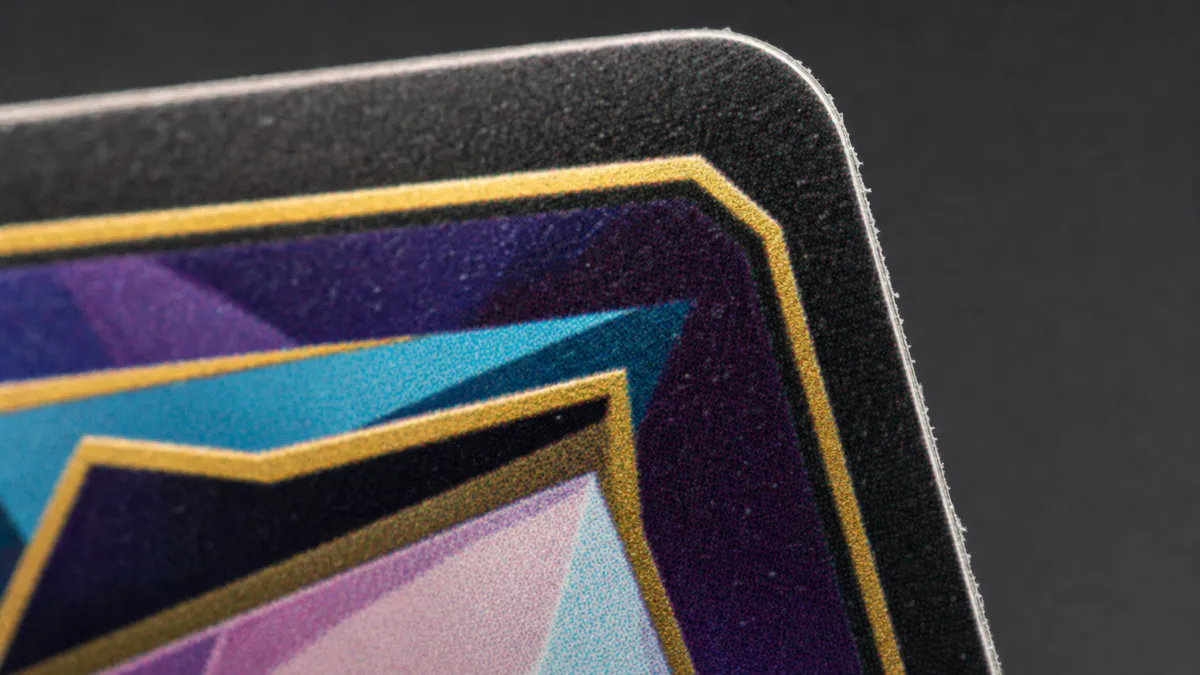 Replica
 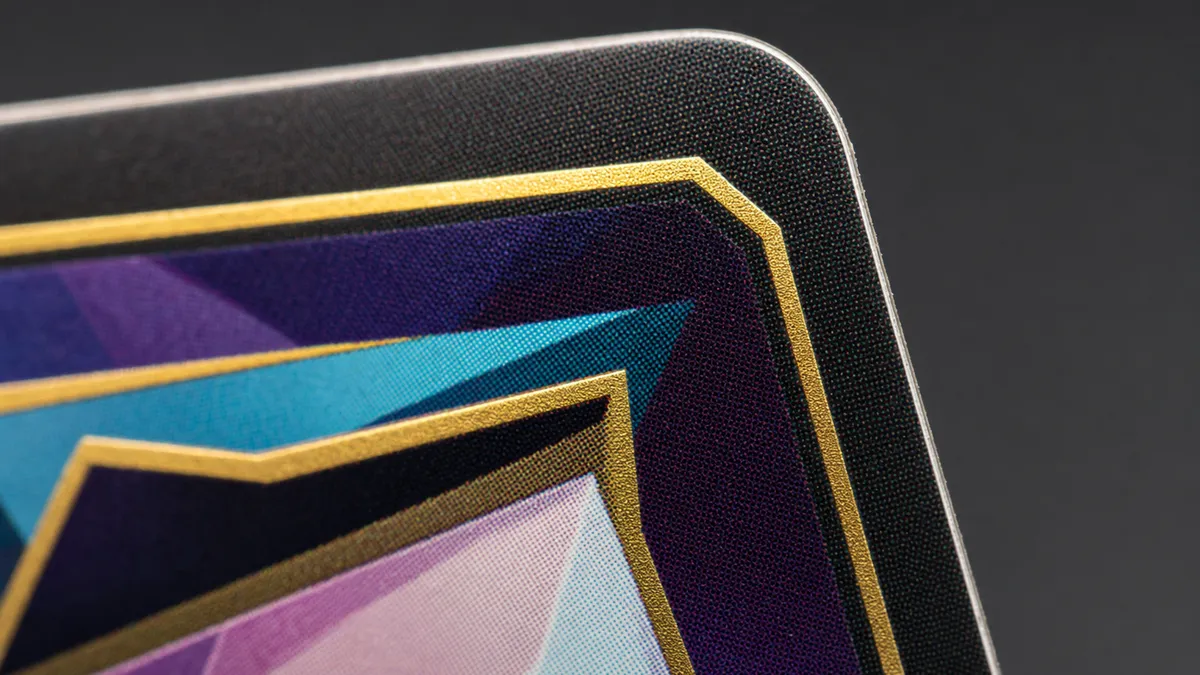 Authentic
 Photo angles for the check
- 1 Overall view
- 2 Logo / tag
- 3 Details & stitching
- 4 Material
Check your PSA Label right now
Snap photos of your item and get an AI verdict with a confidence score in about a minute.
FAQ
How can I tell a PSA label was reprinted?
Look for graininess and blurry edges in the small print, a dot-pattern screen where a solid fill should be, and a barcode that doesn’t match the cert number. None of these is conclusive alone – check them together and verify the number in the PSA database.
An old label doesn’t look like PSA’s current design – is that a fake?
No. The label design has been updated more than once, and an old cert should look like a label from its own generation, not today’s design. Compare it against photos from the same period, not a current reference.
What matters more – how the label looks, or the cert number?
The cert number and what the PSA database returns for it (card name, set, grade) is a more reliable check than judging the label by eye. But the number still needs to be matched against the card – finding it in the database alone is not enough.
More PSA Graded models
Other trading cards brands
Check another brand in this category: