Louis Vuitton · Authentication
Pochette Métis: real vs fake
The Pochette Métis is a resale-market hit with waitlists to match – which makes it a favorite target for replica factories. Authentication hinges on the pattern placement across the flap and the S-lock hardware, while the model’s well-known glazing issue routinely confuses buyers.
What to check on the Pochette Métis
Model-specific zones – on top of the brand-level signs.
Pattern alignment on the flap
On an authentic bag the flap monogram is precisely cut: motifs sit straight, symmetrical to the flap’s center, and visually continue the rhythm of the body pattern. Replicas cut the flap carelessly – the pattern drifts or motifs get chopped off at the edge.
S-lock closure
The S-lock is solid brass with crisp engraving and a button that sits flush with no visible gap. On fakes the engraving is smaller and mushier, and the button sits crooked or with a visible gap around it.
Edge glazing – know the issue
Early authentic Métis bags are notorious for cracking and peeling glazing on the flap edges – a widely documented complaint. Cracks alone don’t mean fake; what matters is how neatly the glazing was applied and how even the trim is.
Top handle placement
The small top handle sits dead center with symmetrical anchors and even, consistent stitching. An off-center handle is a common replica slip.
Rear zip pocket
The flat exterior back pocket: the zipper is recessed evenly, the pattern around the pocket isn’t broken by a crude skew, and the slider is house-branded.
Where to inspect
The key zones to photograph and check on this type of item – a schematic, not a product photo.
- 1Logo and hardware
- 2Handle attachment
- 3Stitching and edges
- 4Date code and tag
- 5Zipper and base
The difference is in the details – drag the slider
Typical differences in workmanship: stitching consistency, edge finishing, detail quality. Left – factory quality, right – common replica flaws.
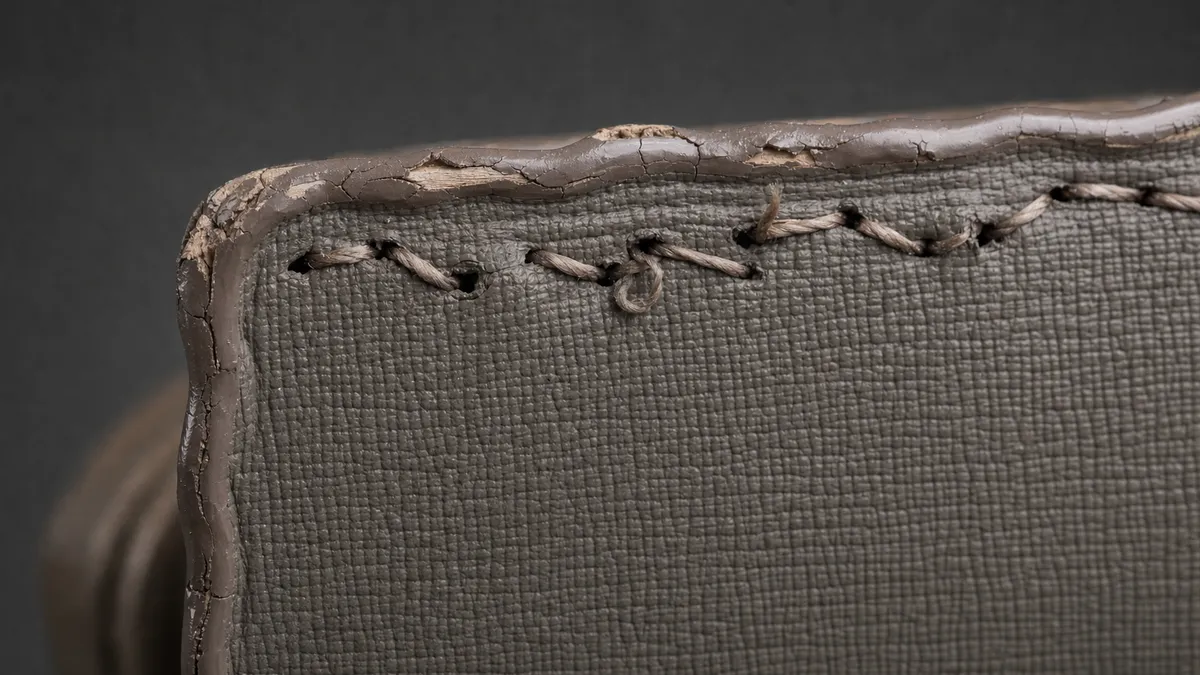 Replica
 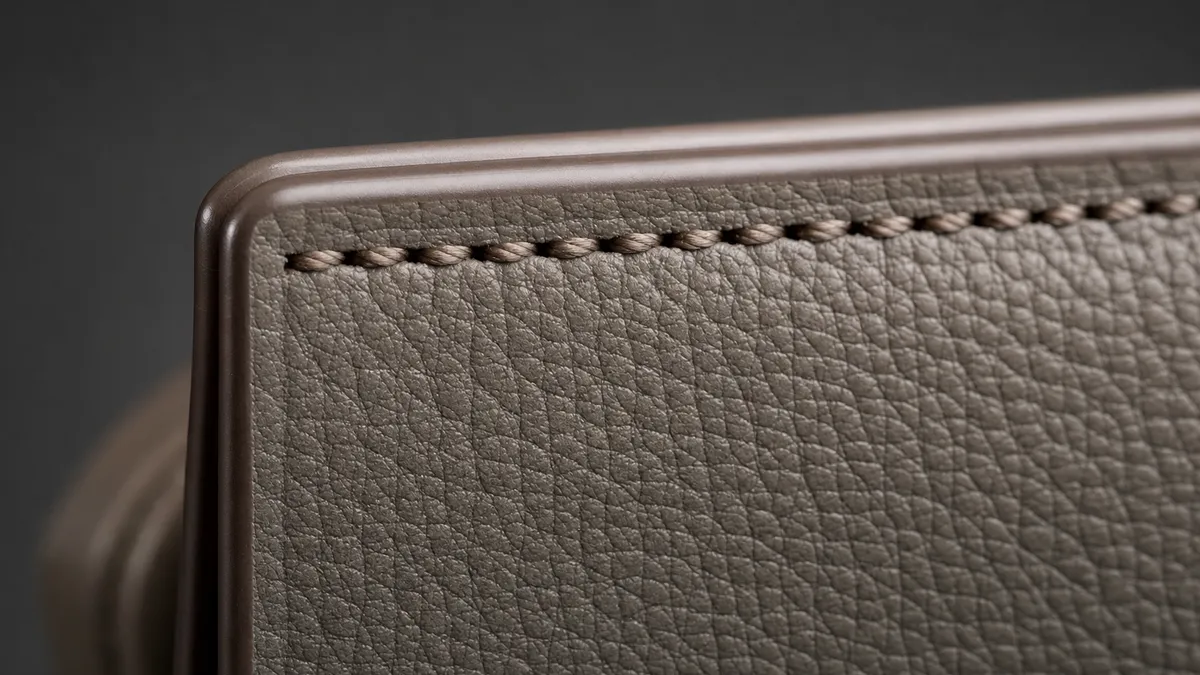 Authentic
 Photo angles for the check
- 1 Front
- 2 Logo / hardware
- 3 Interior
- 4 Date code
- 5 Stitching
Check your Pochette Métis right now
Snap photos of your item and get an AI verdict with a confidence score in about a minute.
FAQ
The glazing on my Pochette Métis is cracking – does that mean it’s fake?
No – on its own it doesn’t. Cracking and peeling edge glazing is a widely known issue on authentic Métis bags, especially earlier production, and Louis Vuitton has repaired many of them. Judge the bag on the full set of tells, not the cracks.
Should the flap pattern line up with the body?
On an authentic bag the flap motifs sit straight and symmetrical, continuing the body pattern’s rhythm. A drifting, skewed, or edge-chopped flap pattern is a red flag.
More Louis Vuitton models
Other luxury handbags brands
Check another brand in this category: