Rolex · Authentication
GMT-Master II: real vs fake
The GMT-Master II – “Pepsi” (red-blue) and “Batman” (blue-black) – is defined by its two-tone bezel, and that is exactly what sinks most replicas. On ceramic references the insert is a single piece of Cerachrom with a razor-sharp color boundary, while the vintage 1675/16710 use an aluminium insert that fades. Then comes the mechanics: the 24-hour hand and an independently jumping hour hand.
What to check on the GMT-Master II
Model-specific zones – on top of the brand-level signs.
Bezel insert by generation
On ceramic references (116719BLRO, 126710BLRO, Batman 116710BLNR/126710BLNR) the insert is a single piece of Cerachrom with a crisp color boundary, no step and no pigment bleed. On the 1675, 16700 and 16710 the insert is anodized aluminium: fading and a softer printed boundary are normal there. Establish the generation first, then judge the boundary.
Pepsi and Batman shades
On ceramic inserts Pepsi red reads muted burgundy in shadow and scarlet in light, and the blue is deep with no purple drift; replica red often turns acid pink. On vintage aluminium inserts, fading toward pink-lilac (“fuchsia”) is documented and prized by collectors, so a pale color is not a verdict by itself.
24-hour hand and bezel scale
The GMT hand’s triangular tip must point precisely at the 24-hour bezel graduation for the second time zone. The tip is lume-filled and color-matched to the insert.
Independent hour hand
With the crown in the middle position, the local hour hand jumps in one-hour steps forward or back while the seconds keep running and the 24-hour hand keeps moving. On replicas the hands are usually linked – this is the key mechanical test, but it is a hands-on one, not something a photo can show.
Bidirectional 24-click bezel
Unlike the Submariner, the GMT bezel rotates both ways with 24 detents per revolution – one per hour. Free spinning with no detents, or 120 clicks, points to a donor case.
Where to inspect
The key zones to photograph and check on this type of item – a schematic, not a product photo.
- 1Dial and printing
- 2Bezel and markings
- 3Crown
- 4Bracelet and links
- 5Serial and engraving
The difference is in the details – drag the slider
Typical differences in workmanship: stitching consistency, edge finishing, detail quality. Left – factory quality, right – common replica flaws.
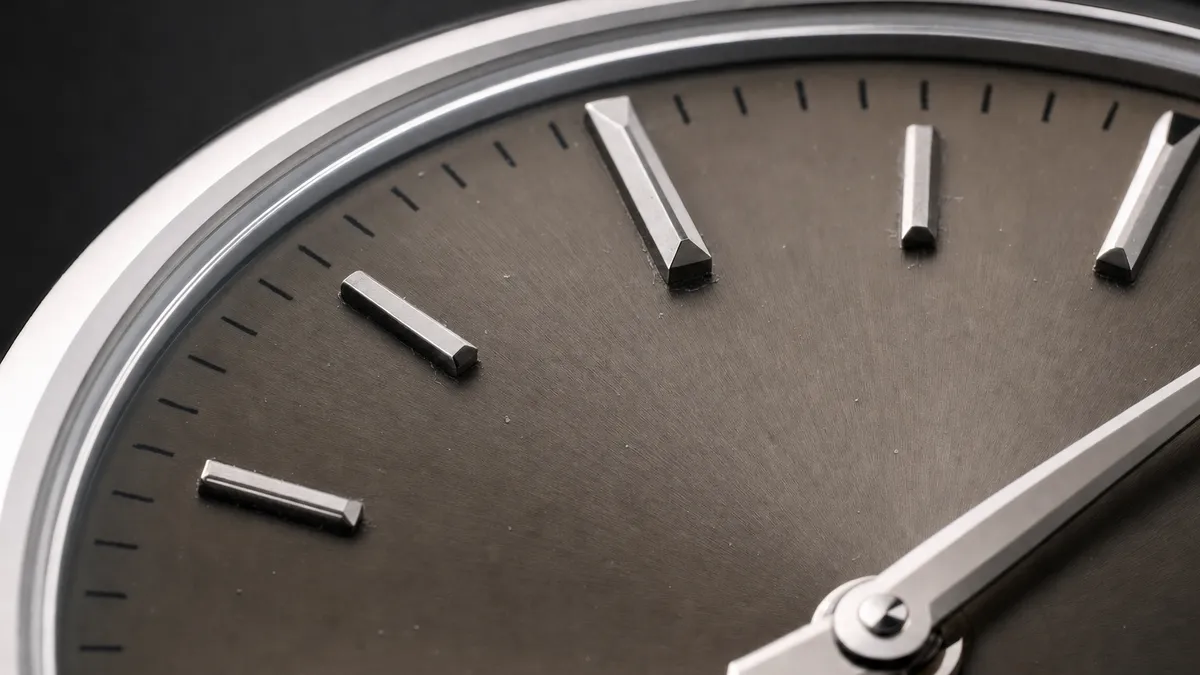 Replica
 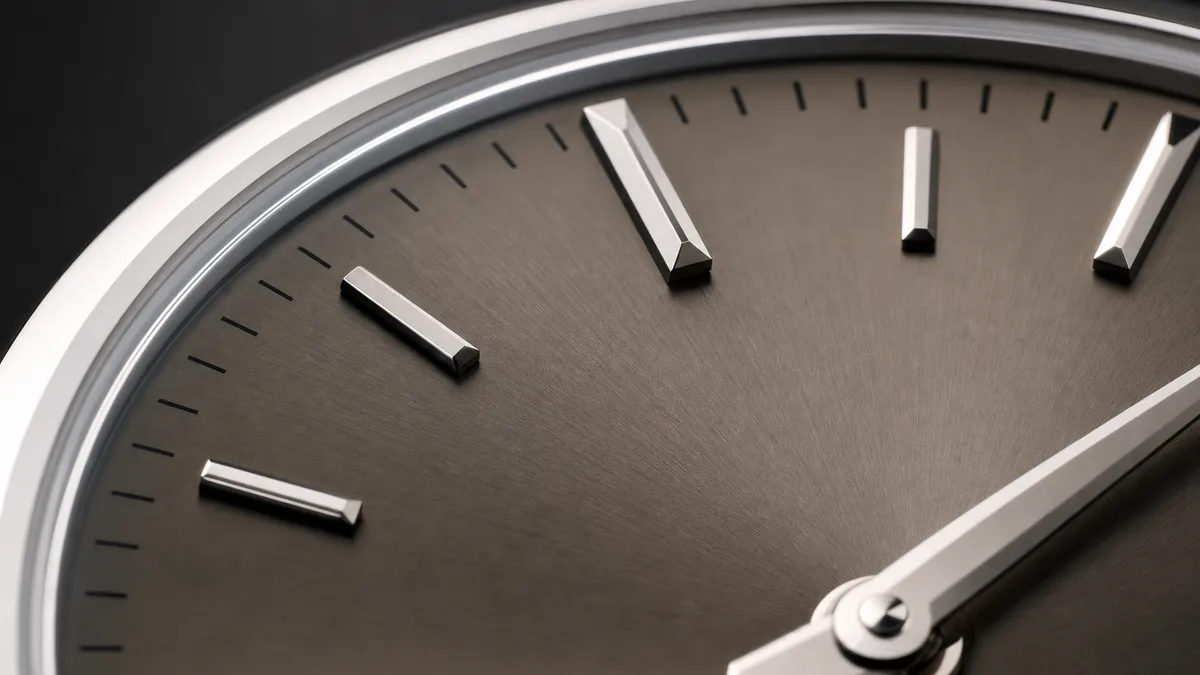 Authentic
 Photo angles for the check
- 1 Dial
- 2 Caseback
- 3 Crown
- 4 Bracelet
- 5 Serial number
Check your GMT-Master II right now
Snap photos of your item and get an AI verdict with a confidence score in about a minute.
FAQ
How many clicks does a GMT-Master II bezel have, and which way does it turn?
The bezel is bidirectional with 24 clicks per full revolution – each click equals one hour on the 24-hour scale. A 120-click or counterclockwise-only bezel belongs to another model or a replica.
How do I verify a true GMT movement?
This is a hands-on test, not a photo check. Pull the crown to the middle position and turn it: the hour hand should jump in exact one-hour steps independently of the minute and 24-hour hands, with the seconds never stopping. If all hands move together, it is not the original caliber.
Is checking a Pepsi different from a Batman?
Same logic, but it depends on the generation: ceramic references have one-piece Cerachrom, a sharp boundary and correct shades, while the vintage 1675/16710 use aluminium inserts, so a softer printed boundary and fading are normal. On the Batman (ceramic only), additionally study the blue/black split – on replicas it is often nearly invisible or, conversely, far too contrasty and bright blue.
More Rolex models
Other luxury watches brands
Check another brand in this category: