Panini · Authentication
Select: real vs fake
Panini Select is built on multiple rarity tiers within a single release, each with its own foil and frame design, which is why fakes often blend or oversimplify elements from different tiers. A genuine card shows clean print under a loupe, a foil pattern matching its specific rarity tier, and fonts and frame that match a reference scan of that same release. Upload photos to LegitCheck AI to check these zones and get a confidence verdict.
What to check on the Select
Model-specific zones – on top of the brand-level signs.
Print quality under a loupe
A genuine card shows a clean rosette pattern with even colour under a loupe. Re-scanned fakes show blurry dots, moiré and muddy colour transitions.
Foil design by rarity tier
Select frame and foil design differ across rarity tiers within the same release. Compare the pattern and finish of a specific card against a documented scan of that same release and tier – don't assume one tier's design applies to another.
Autograph: sticker and on-card
Select inserts carry both sticker and on-card autographs, and both are official depending on the specific product. Check signature style and pen pressure against examples of the same release, not the autograph type itself.
Serial numbering
Print-run numbers can be machine-printed or hand-written depending on the parallel – both are legitimate. Judge the format and range against documented scans of that same release.
Cut, edges and fonts
Check the evenness of the cut, the sharpness of the fine print on the back, and that fonts match front to back. A ragged cut and blurry fine text are typical reprint tells.
Factory characteristics
Mild off-centering and print dots occur on genuine cards straight from the factory and affect grade, not authenticity. Treat them as a tell only alongside print and foil.
Where to inspect
The key zones to photograph and check on this type of item – a schematic, not a product photo.
- 1Corners and cut
- 2Centering
- 3Surface and gloss
- 4Edges and plies
- 5Print rosette
The difference is in the details – drag the slider
Typical differences in workmanship: stitching consistency, edge finishing, detail quality. Left – factory quality, right – common replica flaws.
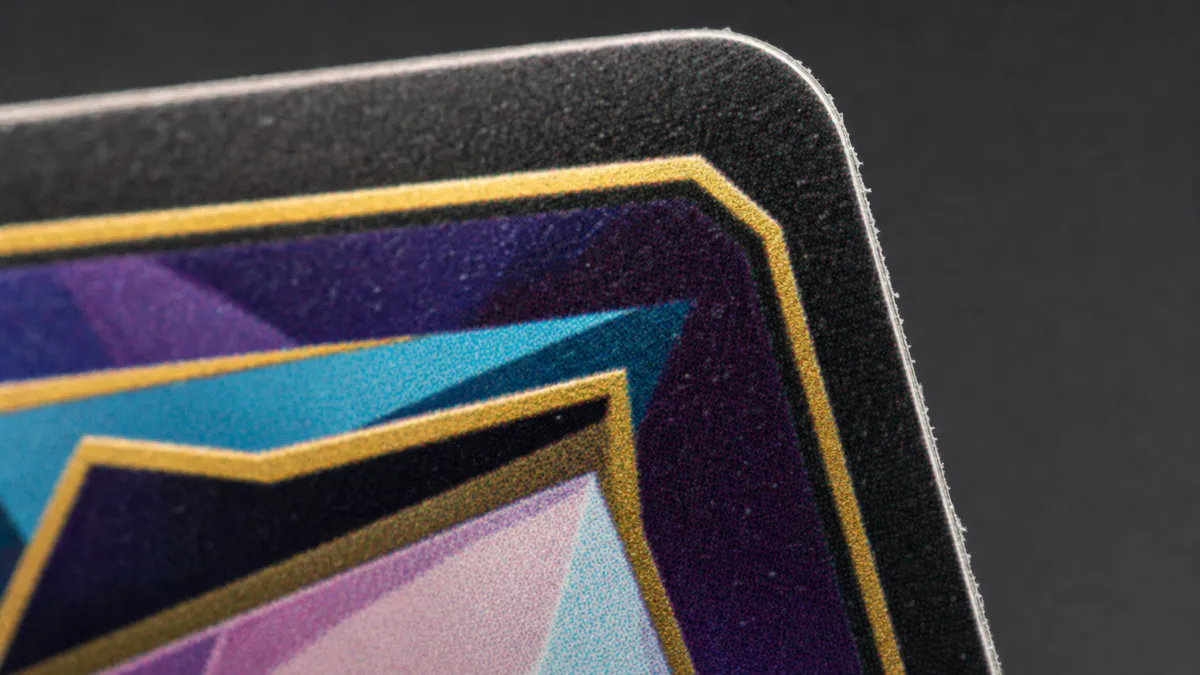 Replica
 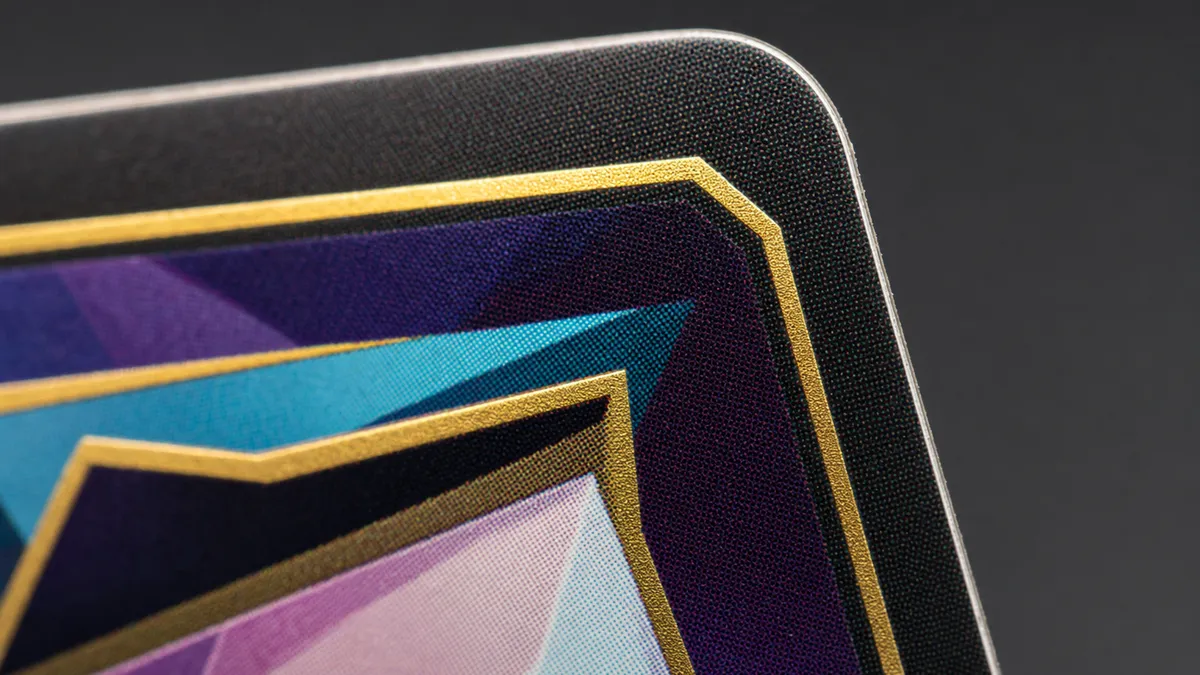 Authentic
 Photo angles for the check
- 1 Overall view
- 2 Logo / tag
- 3 Details & stitching
- 4 Material
Check your Select right now
Snap photos of your item and get an AI verdict with a confidence score in about a minute.
FAQ
Why do different Select cards have different foil designs?
Select is built on several rarity tiers within one release, and each tier has its own frame and foil design. That is not a fake tell – compare a card's finish against a reference scan of the specific release and tier it claims to be.
Is a sticker autograph on a Select card fake?
No, Panini officially uses both sticker and on-card autographs depending on the product. The tell is a signature style that doesn't match examples of the same release, not the autograph type.
Can I verify a Select card by its serial number online?
There is no public database for looking up Panini cards by number – the printed number and barcode are copied by fakes. The reliable check is grading with a recognized company and matching the cert in its database.
More Panini models
Other trading cards brands
Check another brand in this category: