Panini · Authentication
Donruss Optic: real vs fake
Donruss Optic is the chrome-finish version of the classic Donruss design with a holographic sheen, and bright rookie-color parallels are the most frequently faked cards in the line. A genuine card shows clean print under a loupe, an even holographic pattern on the chrome layer, and matching fine detail front to back. Upload photos to LegitCheck AI to check these zones and get a confidence verdict.
What to check on the Donruss Optic
Model-specific zones – on top of the brand-level signs.
Print quality under a loupe
A genuine card shows a crisp rosette pattern with even colour under a loupe. Re-scanned fakes show blurry dots and muddy colour transitions.
Chrome layer and holo pattern
The Optic chrome surface carries an even holographic pattern that shifts as a whole as the card tilts, with no breaks. Fakes show a grainy, dull pattern or one that breaks into patches on certain areas.
Autograph: sticker and on-card
Donruss Optic inserts carry both a clear-sticker autograph and an on-card autograph – both official depending on the release. Check signature style against examples of the same product, not the autograph type itself.
Serial numbering
The number on numbered parallels can be machine-printed or hand-written depending on the print run – both are legitimate. Cross-check the number format against documented scans of that same release.
Cut, edges and fonts
Check the evenness of the machine cut and that the fine print and legal text on the back match the front typeface. A ragged cut and blurry fine text are reprint tells.
Factory characteristics
Slight off-centering, print dots or minor chrome chipping at the edge occur on genuine cards straight from the factory and affect grade, not authenticity. On their own, they are not grounds for a fake verdict.
Where to inspect
The key zones to photograph and check on this type of item – a schematic, not a product photo.
- 1Corners and cut
- 2Centering
- 3Surface and gloss
- 4Edges and plies
- 5Print rosette
The difference is in the details – drag the slider
Typical differences in workmanship: stitching consistency, edge finishing, detail quality. Left – factory quality, right – common replica flaws.
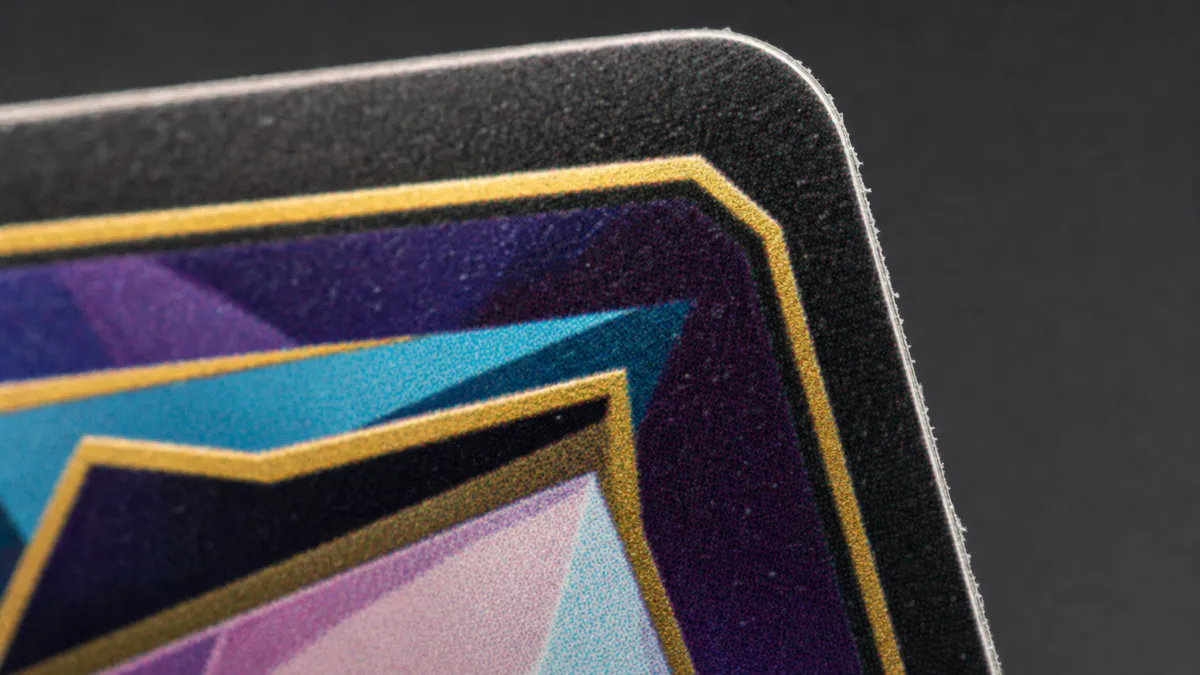 Replica
 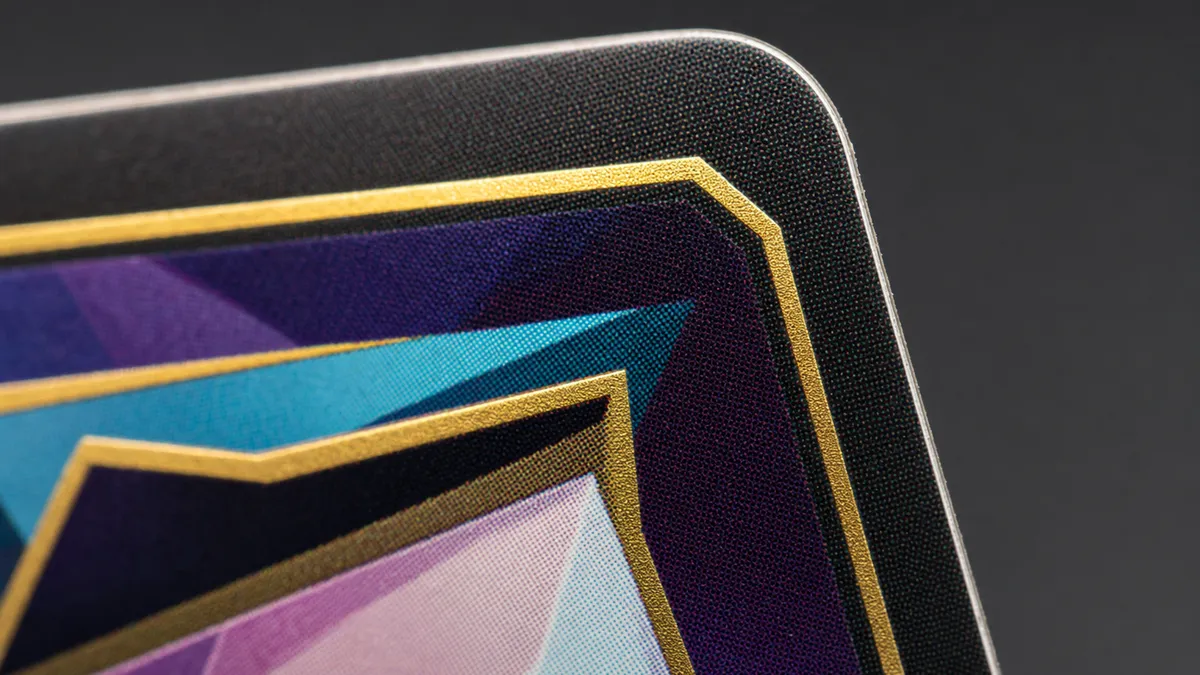 Authentic
 Photo angles for the check
- 1 Overall view
- 2 Logo / tag
- 3 Details & stitching
- 4 Material
Check your Donruss Optic right now
Snap photos of your item and get an AI verdict with a confidence score in about a minute.
FAQ
How do I check the Donruss Optic holo pattern from photos?
Shoot the card at a slight angle under raking light so the holographic shift is visible. It should change evenly across the surface; graininess, dullness or breaks in specific spots are typical replica tells.
Is chipped chrome at the edge of a Donruss Optic card a fake tell?
Not on its own: minor chrome chipping at the edge occurs on genuine cards and is a matter of condition and grade. It counts as a fake tell only alongside print and holo pattern issues.
Can I verify a card by its number online?
There is no public "look up a Panini card by number" database. The only reliable outside check is grading with a recognized company and matching the slab's cert in its online database.
More Panini models
Other trading cards brands
Check another brand in this category: