LEGO · Authentication
Icons: real vs fake
LEGO Icons is the adult-collector line (spanning botanical sets, iconic buildings and vehicles), where many parts are printed rather than stickered and the packaging is built for shelf display. A genuine set holds consistent print sharpness and molding quality across the whole line, while copies usually mimic the logo and packaging of a specific set rather than the printing process itself. Upload photos of the box, printed pieces and the built model to LegitCheck AI to get the zones checked in about a minute.
What to check on the Icons
Model-specific zones – on top of the brand-level signs.
Icons box print quality
Icons boxes are built for premium display: dense cardstock, saturated color, and crisp printing of the logo and set name. Fakes use thinner card, washed-out color, and pixelated small text on the box.
Part printing accuracy
Icons sets rely heavily on printed (not stickered) pieces – the genuine print is even, with no layer shift and a crisp edge on the artwork. Fakes can show smeared or partially missing print.
Molding quality and part fit
Genuine pieces join tightly with no gaps, and large panel surfaces are even with no molding sink marks. Copies show burrs, flash, and a looser fit at the joints.
Matching the specific set in the line
Icons spans dozens of different sets, each with its own parts count and box design – don't compare one Icons set against photos of a different one. Cross-check the specific set against the documented contents for that set number.
Plastic shade between batches
As with any LEGO set, colored plastic shade can vary slightly between batches and factories even on genuine pieces. That is not a fake tell – print and molding quality matter more.
Nameplate or display base (where included)
Some Icons sets include an informational nameplate or base with printed text – genuine text is even and sharp. On copies these plates are often missing or printed unevenly.
Where to inspect
The key zones to photograph and check on this type of item – a schematic, not a product photo.
- 1Box printing
- 2Window and blister
- 3Paint and face
- 4Build and stand
- 5COA and sticker
The difference is in the details – drag the slider
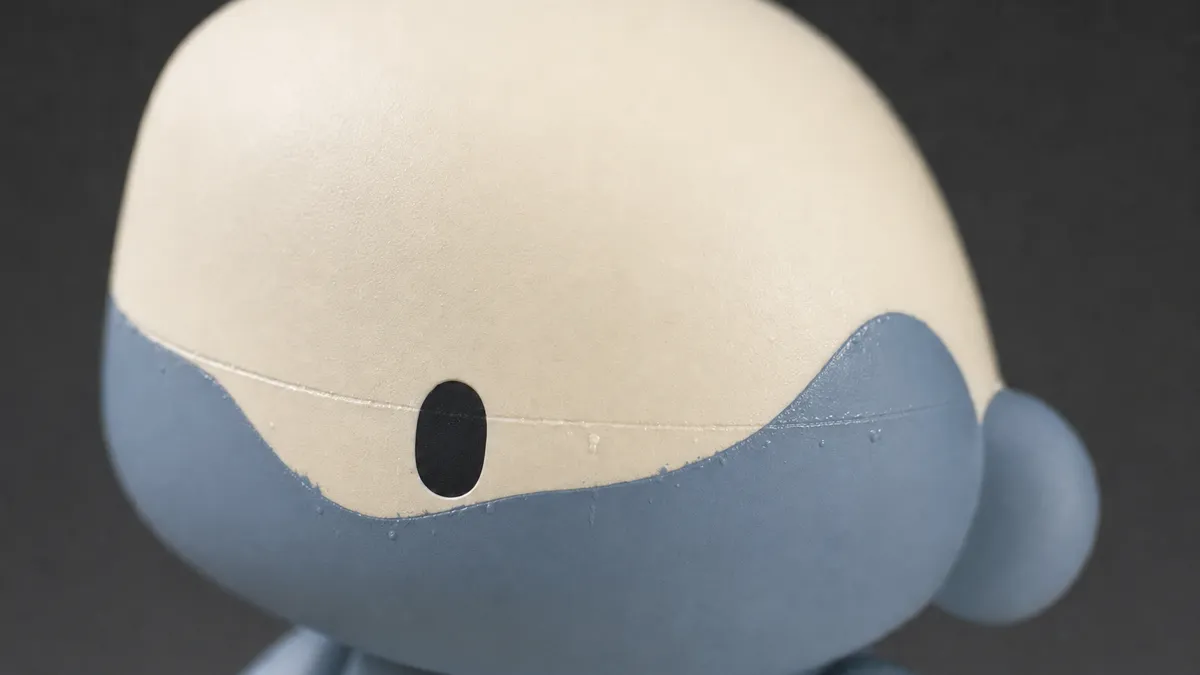
Typical differences in workmanship: stitching consistency, edge finishing, detail quality. Left – factory quality, right – common replica flaws.
 Replica
  Authentic
 Photo angles for the check
- 1 Overall view
- 2 Logo / tag
- 3 Details & stitching
- 4 Material
Check your Icons right now
Snap photos of your item and get an AI verdict with a confidence score in about a minute.
FAQ
Do all Icons sets check the same way?
The general signals – print, molding, box print quality – apply across the line, but exact contents differ by set. Cross-check the specific set number against its own official photos, not against a different Icons set.
The plastic shade doesn't match photos I found online – is it fake?
Not necessarily. Colored plastic shade can vary slightly between batches and factories on genuine sets. Judge print sharpness and molding cleanliness instead of an exact color match.
Can I verify authenticity from the set number?
There's no public database to look up a set by number – the number on the box isn't tied to an individual unit. Judge print quality, molding, and box print instead, since those are visible in photos.
More LEGO models
Other toys & figures brands
Check another brand in this category: