On Running · Authentication
Cloudsurfer: real vs fake
The Cloudsurfer is built on the updated CloudTec Phase architecture, where the chambers collapse in sequence for a smooth heel-to-toe transition. Reps almost always simplify that complex geometry: their pods come out uniformly coarse, without the engineered progression. Shoot the sole from the side and underneath – the AI checks pod shape, molding, and branding.
What to check on the Cloudsurfer
Model-specific zones – on top of the brand-level signs.
CloudTec Phase architecture
The Cloudsurfer’s chambers are designed to collapse in sequence: on retail their shape and angle change smoothly from heel to toe in an engineered progression. Reps make the pods uniform and coarse, losing that progression – compare with documented references for the release.
Chamber walls and cavities
On retail the pod walls are even and consistent in thickness with clean cavities. On fakes the walls run thicker than retail or vary, and rubber flash and molding burrs show inside the cavities.
Left-to-right symmetry
Set the shoes side by side: on retail the pod layout mirrors, with matching pod height and placement. Differing height or shifted pods on one shoe is a strong rep signal.
Plate-free response
On the Cloudsurfer the response comes from the CloudTec Phase geometry rather than a rigid plate, so a soft, easily flexing sole is normal here, not a rep tell. Judge pod sequence and shape, wall evenness, and molding cleanliness instead.
Upper and branding
The mesh is dense, the overlays bonded or stitched neatly with even seams and no glue residue, and the “On” logo on the tongue and heel is crisp with correct proportions. Loose mesh, gaps under the overlays, and a mushy logo are typical fake tells.
Insole, tag and box
The model and size print on the insole and inner tag is sharp and the insole seats evenly; production is often Vietnam. Box label data should match the model, size, and color, but the box alone isn’t enough to conclude.
Where to inspect
The key zones to photograph and check on this type of item – a schematic, not a product photo.
- 1Logo shape and placement
- 2Toe box and upper shape
- 3Heel counter and tab
- 4Midsole and stitching
- 5Tongue and size tag
The difference is in the details – drag the slider
Typical differences in workmanship: stitching consistency, edge finishing, detail quality. Left – factory quality, right – common replica flaws.
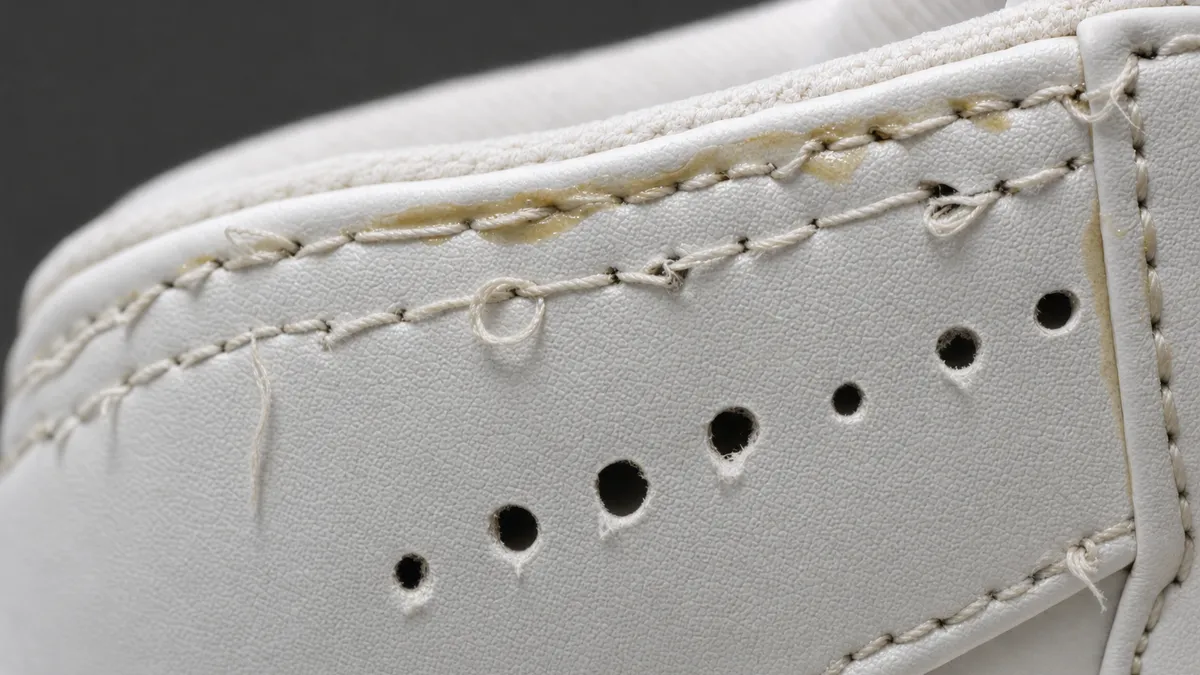 Replica
 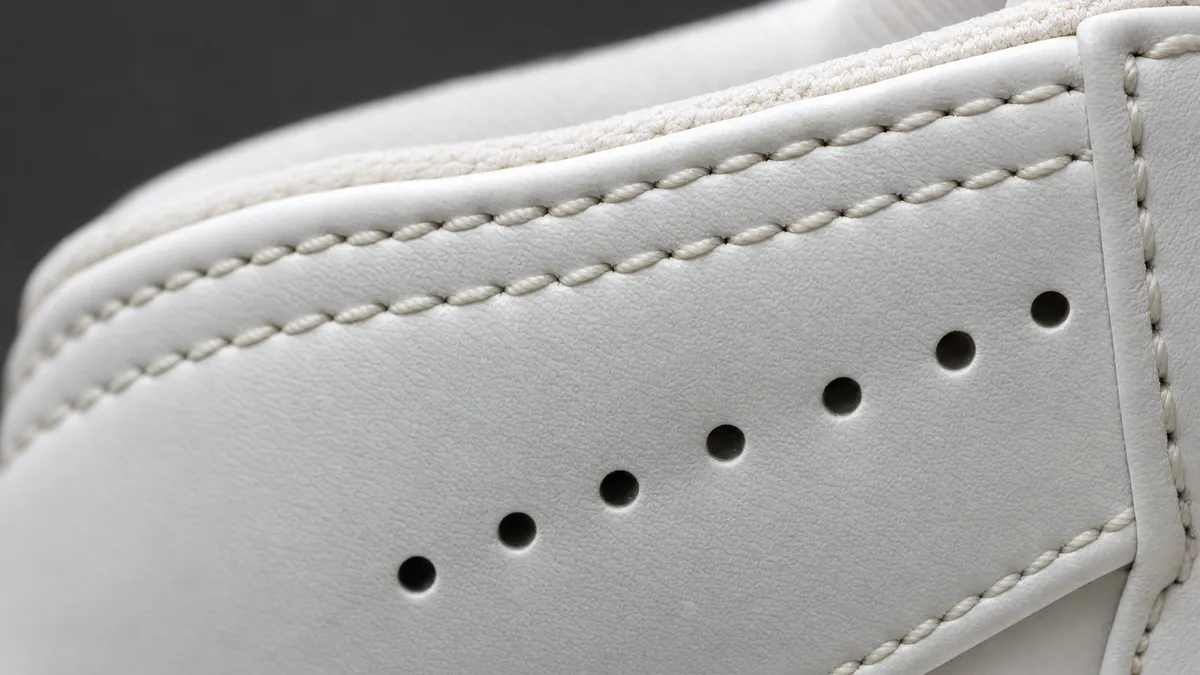 Authentic
 Photo angles for the check
- 1 Overall view
- 2 Logo
- 3 Interior tag
- 4 Outsole
- 5 Box label
Check your Cloudsurfer right now
Snap photos of your item and get an AI verdict with a confidence score in about a minute.
FAQ
What makes CloudTec Phase different to check?
Its chambers work as a sequence: shape and angle change gradually along the sole. Reps usually make the pods identical and coarse, so a lost transition progression is a visible tell.
How do I judge the Cloudsurfer’s molding?
Inspect the pod edges and inner surfaces in good light: retail has no flash, even walls, and clean cavities. Burrs, rubber flash, and glue smears along the welt point to a rep.
Does On have a serial-number database?
No, the brand provides no public serial lookup. Rely on CloudTec pod geometry and symmetry, molding cleanliness, and the proportions of the “On” logo.
More On Running models
Other sneakers brands
Check another brand in this category: