On Running · Authentication
Cloudmonster: real vs fake
The Cloudmonster is built around maximum cushioning: oversized CloudTec pods and a tall stack make the silhouette recognizable – and hard to copy precisely. The bigger the elements, the more obvious a rep’s mistakes: pods of unequal height, a skewed stack, asymmetry between left and right. Shoot both soles and the heel – LegitCheck AI compares the geometry and returns a verdict.
What to check on the Cloudmonster
Model-specific zones – on top of the brand-level signs.
Oversized CloudTec pods
The Cloudmonster’s pods are noticeably larger than on lifestyle models, and on retail every pod in a row holds the same height and shape with even walls. Reps give away pods of varying height, melted-looking walls, and ragged cavities. Compare proportions to documented references for the release.
Left-to-right symmetry
Set the shoes side by side and compare the pod layout: on retail the left and right soles mirror each other, with matching pod count and placement. Shifted or differently sized pods on one shoe are a strong fake signal.
Stack height and profile
The tall retail midsole has a correct heel-to-toe profile and clean seam lines. On fakes the stack runs lower or higher than retail, the profile is skewed, and the seam to the upper is wavy.
Speedboard and stiffness
The Speedboard inside the tall Cloudmonster sole delivers noticeable spring with flex mainly at the forefoot. A sole that compresses and twists freely along its whole length and feels hollow is reason to scrutinize the other zones.
Upper construction
On retail the overlays and branding are bonded or stitched neatly, the mesh is dense, the stitching even, and there is no glue residue. Reps use loose mesh, overlays seated with gaps, and glue smears at the edges.
“On” logo and tags
The heel and tongue logo is crisp with correct stroke weight; the model and size print on the insole and inner tag is even and legible. Production is often Vietnam. Box data should match the pair, though on its own it proves nothing.
Where to inspect
The key zones to photograph and check on this type of item – a schematic, not a product photo.
- 1Logo shape and placement
- 2Toe box and upper shape
- 3Heel counter and tab
- 4Midsole and stitching
- 5Tongue and size tag
The difference is in the details – drag the slider
Typical differences in workmanship: stitching consistency, edge finishing, detail quality. Left – factory quality, right – common replica flaws.
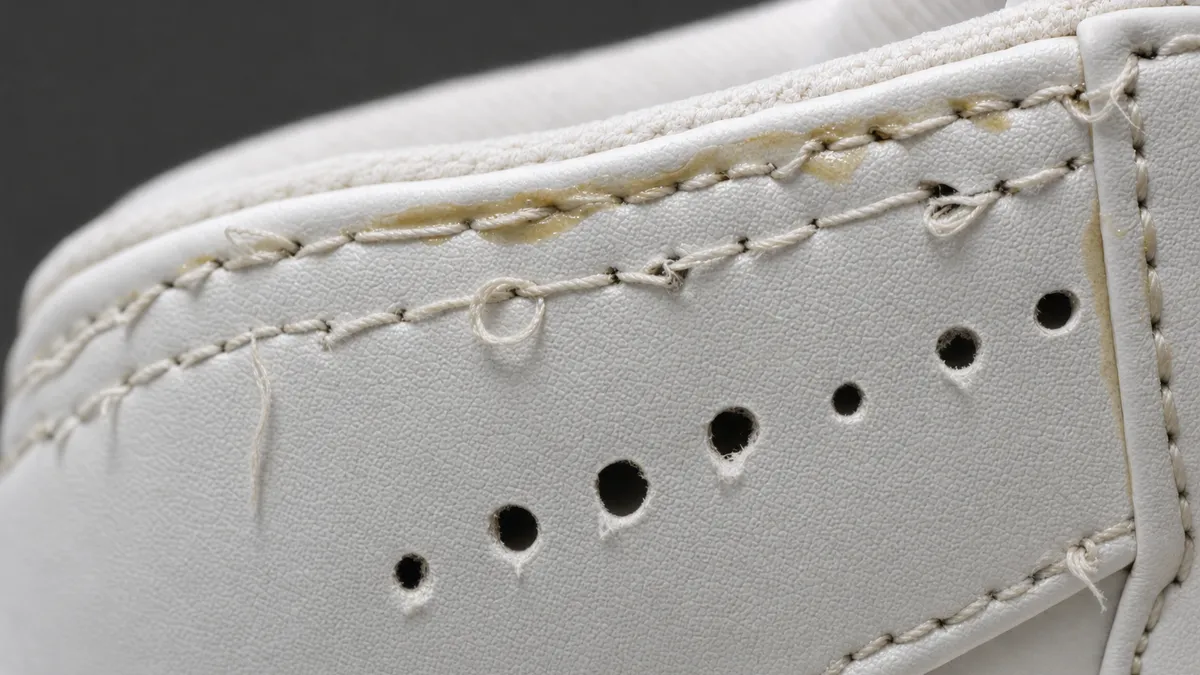 Replica
 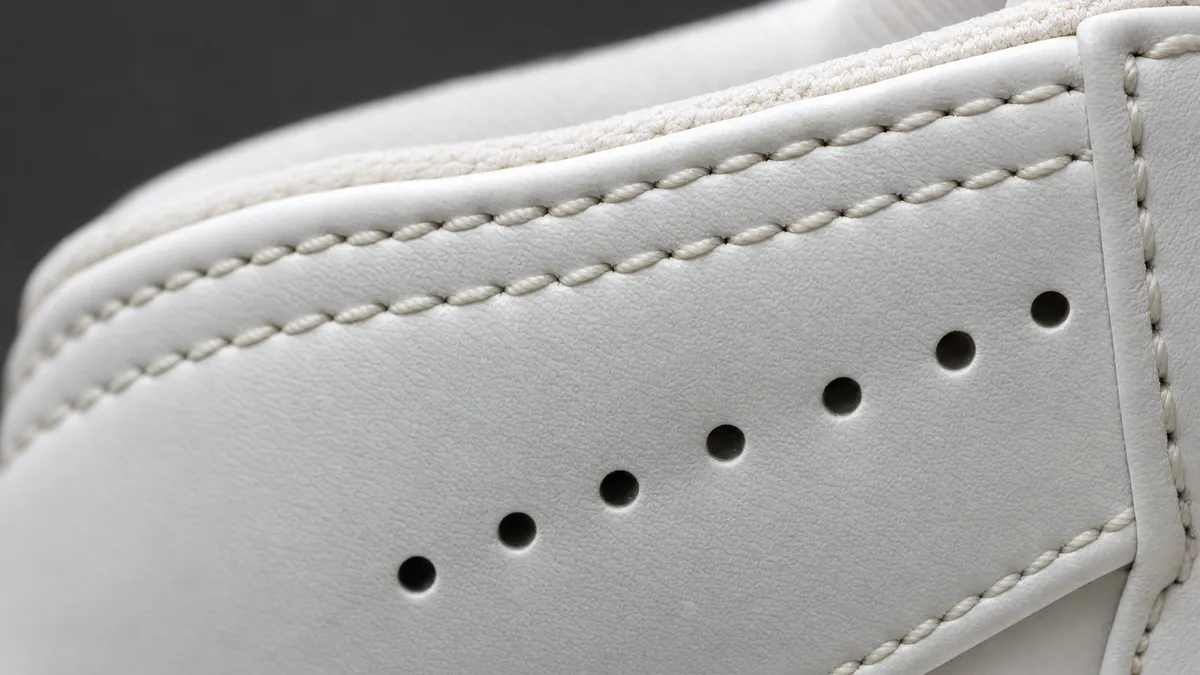 Authentic
 Photo angles for the check
- 1 Overall view
- 2 Logo
- 3 Interior tag
- 4 Outsole
- 5 Box label
Check your Cloudmonster right now
Snap photos of your item and get an AI verdict with a confidence score in about a minute.
FAQ
Why is the sole the main check zone on a Cloudmonster?
Because of element size: the oversized CloudTec pods and tall stack are demanding to mold, so reps most often distort exactly those – pod height, wall shape, and left-to-right symmetry.
How do I check pod symmetry from photos?
Shoot both outsoles from the same distance and angle, then compare pod count, size, and placement. On retail they mirror each other; any mismatch is a typical rep tell.
Does On offer a serial-number check?
No, the brand has no public serial lookup. Authentication rests on physical tells and comparison with documented references for the specific release.
More On Running models
Other sneakers brands
Check another brand in this category: