Christian Louboutin · Authentication
Kate 100: real vs fake
The Kate 100 is the more wearable sister of the So Kate: the same pointed toe and low vamp, but on a 100 mm heel instead of 120, which softens the foot pitch. Heel height and red sole shade are the key checkpoints, since replicas often get the heel geometry wrong. Run your photos through LegitCheck AI for a verdict.
What to check on the Kate 100
Model-specific zones – on top of the brand-level signs.
100 mm heel height
The Kate is a 100 mm slim stiletto with no platform and a slightly less steep foot pitch than the So Kate 120. A noticeably different height or a thick heel base points to a mixed-up model or a fake.
Pointed toe and low vamp
Like the So Kate, the Kate has a sharp, elongated toe and a low vamp cut that exposes the instep. A rounded or high-set toe box signals a mismatch.
Red lacquer sole
The shade of red varies between authentic pairs (different factories, batches and materials, and a cobbler’s re-lacquer on worn pairs), so color alone is not a verdict: look at the nature of the coating – lacquer, not rubber or paint – and at how cleanly the edge is finished. A warm tone on its own is not a fake.
Sole printing
"Christian Louboutin" and the size are stamped in the clean signature font in the correct spot – uneven letters or shifted text expose a replica. On a new pair the heel tip is red, but heel taps are a consumable: replaced black or beige taps and a protective sole guard (which hides the printing) are signs of servicing, not of a fake. Judge the printing only if it has survived.
Insole and lettering
The insole is embossed "Christian Louboutin … Paris" in the correct font with a crisp logo. The country in the stamp depends on the model and the year: authentic pairs come as Made in Italy, Made in Spain and Made in EU (men’s sneakers after 2012 are usually Made in EU). The worry is not "a different country" but a run-together "MADEINITALY", the wrong font, wrong letter spacing and crooked embossing.
Where to inspect
The key zones to photograph and check on this type of item – a schematic, not a product photo.
- 1Insole branding
- 2Heel and tip
- 3Toe and profile
- 4Heel counter
- 5Stitching and sole
The difference is in the details – drag the slider
Typical differences in workmanship: stitching consistency, edge finishing, detail quality. Left – factory quality, right – common replica flaws.
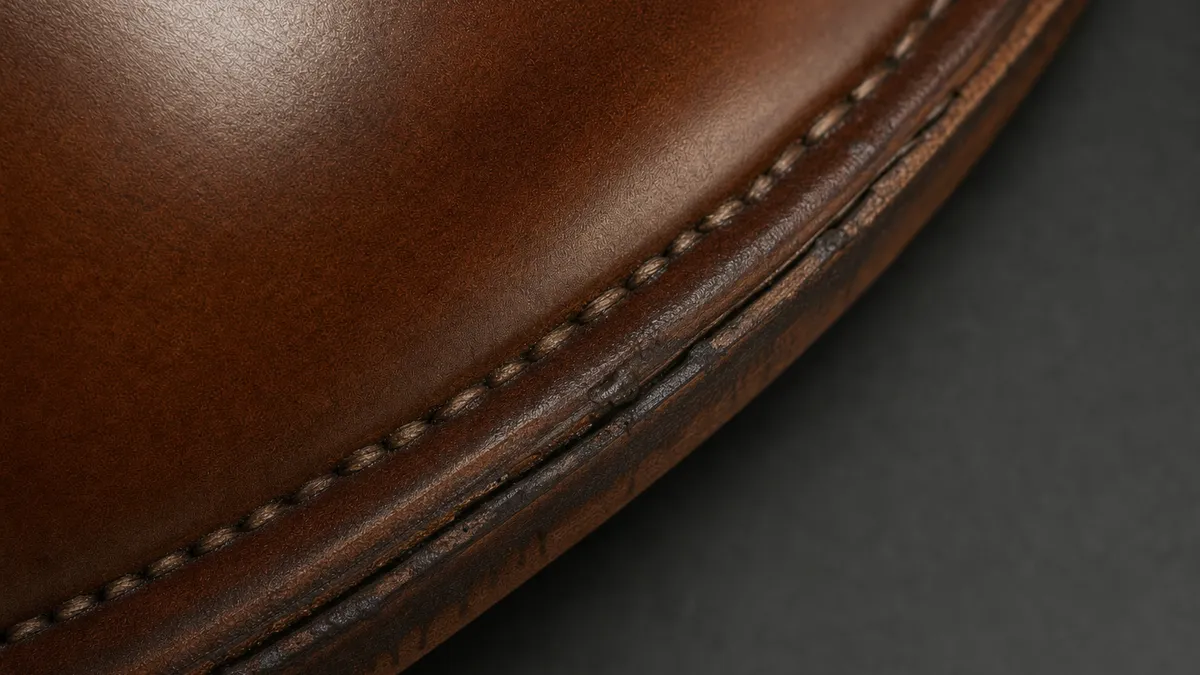 Replica
 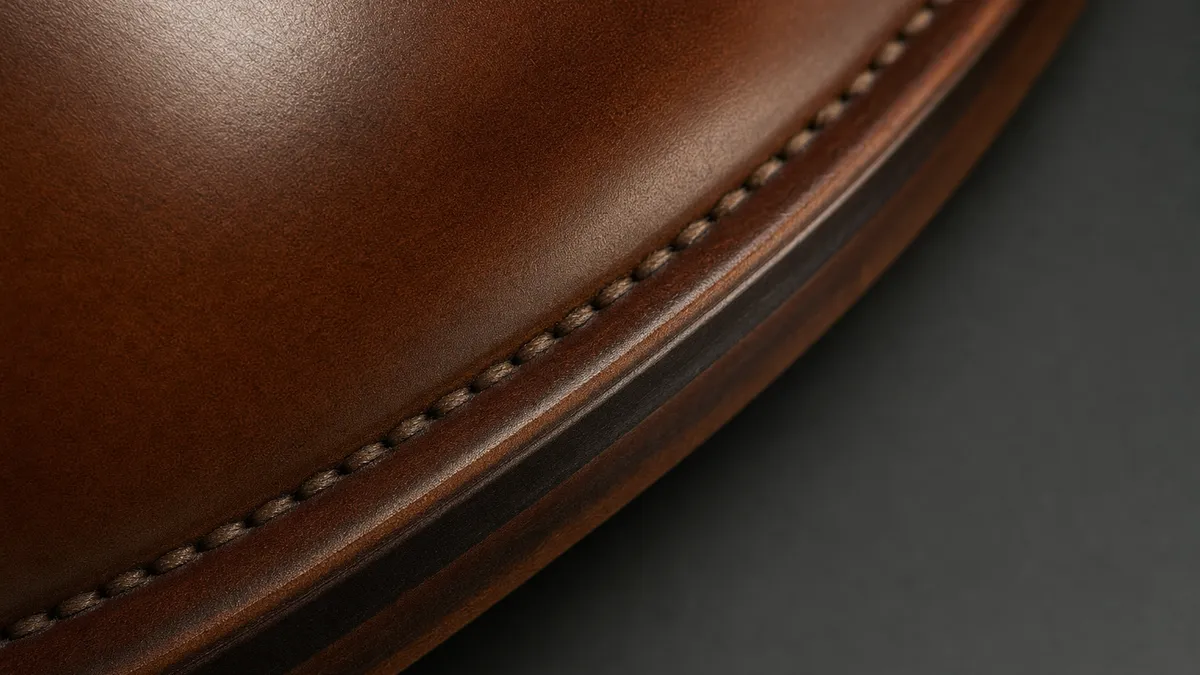 Authentic
 Photo angles for the check
- 1 Overall view
- 2 Logo / tag
- 3 Details & stitching
- 4 Material
Check your Kate 100 right now
Snap photos of your item and get an AI verdict with a confidence score in about a minute.
FAQ
How does the Kate 100 differ from the So Kate 120?
The main difference is heel height: the Kate 100 stands on 100 mm and the So Kate on 120 mm, giving the So Kate a steeper foot pitch. The toe shape and low vamp are similar between them.
The heel looks lower than So Kate photos – is it a fake?
Not necessarily: the Kate genuinely has a lower 100 mm heel. If the seller lists it as Kate 100, a lower heel is expected. What should worry you is a thick heel or a hidden platform.
How can I quickly verify a Kate 100?
Photograph the red sole with its printing, the embossed insole, the heel profile, and the pointed toe, then upload to LegitCheck AI – it assesses the sole coating, the font, and the geometry.
More Christian Louboutin models
Other luxury shoes brands
Check another brand in this category: