Common Projects · Authentication
Retro Low: real vs fake
The Retro Low is Common Projects’ take on a retro low-top build: more pronounced upper stitching and a sole with a different profile than the base Achilles, while keeping the signature gold heel stamp. Its construction differences should be read as a model trait, not a flaw. Run your photos through LegitCheck AI for a verdict.
What to check on the Retro Low
Model-specific zones – on top of the brand-level signs.
Gold heel stamp
The line is straight, the characters an even height and stroke weight, the impression deep and consistent with no doubling or a pressed-in halo, and clean edges. The stamp wears down with use: faded or partially worn gold on a used pair is wear, not a fake.
Retro sole profile
The Retro Low has its own, more textured and bulkier sole construction compared to the base Achilles – that’s a trait of this line, not a mismatch. Judge how cleanly this specific construction is executed: even layering and clean gluing, not whether it matches the Achilles profile.
Upper stitching detail
The Retro Low’s upper panels show more visible stitching than the minimalist Achilles: it should be straight, with a consistent stitch length, no skips or wandering, and symmetrical on both shoes.
Leather quality
The leather is even in texture, free of bubbling or bald patches, with cleanly finished cut edges and no color mismatch between panels on the same pair.
Sole gluing
The sole is cleanly glued around the perimeter with no squeeze-out, and the seam where it meets the upper is straight and symmetrical on both shoes.
Insole marking
The marking is legible and even, with no smudged letters. The footwear is typically Italian-made, but that alone is not the deciding factor – the cleanliness and font of the wording matter more.
Where to inspect
The key zones to photograph and check on this type of item – a schematic, not a product photo.
- 1Insole branding
- 2Heel and tip
- 3Toe and profile
- 4Heel counter
- 5Stitching and sole
The difference is in the details – drag the slider
Typical differences in workmanship: stitching consistency, edge finishing, detail quality. Left – factory quality, right – common replica flaws.
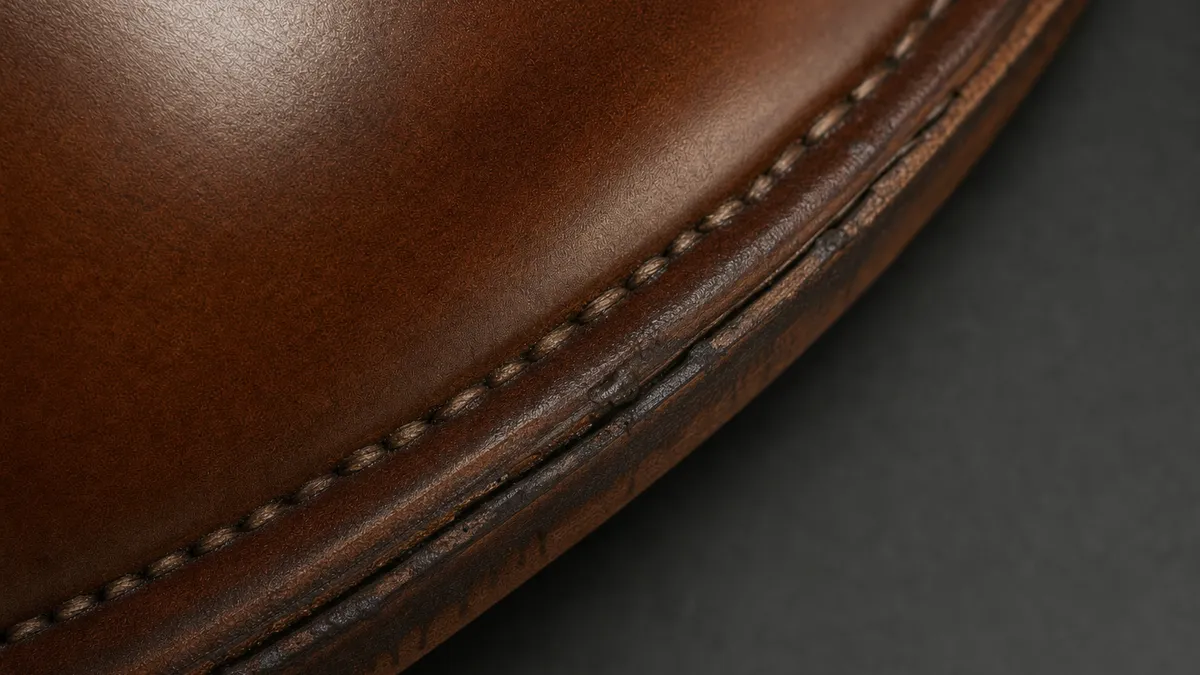 Replica
 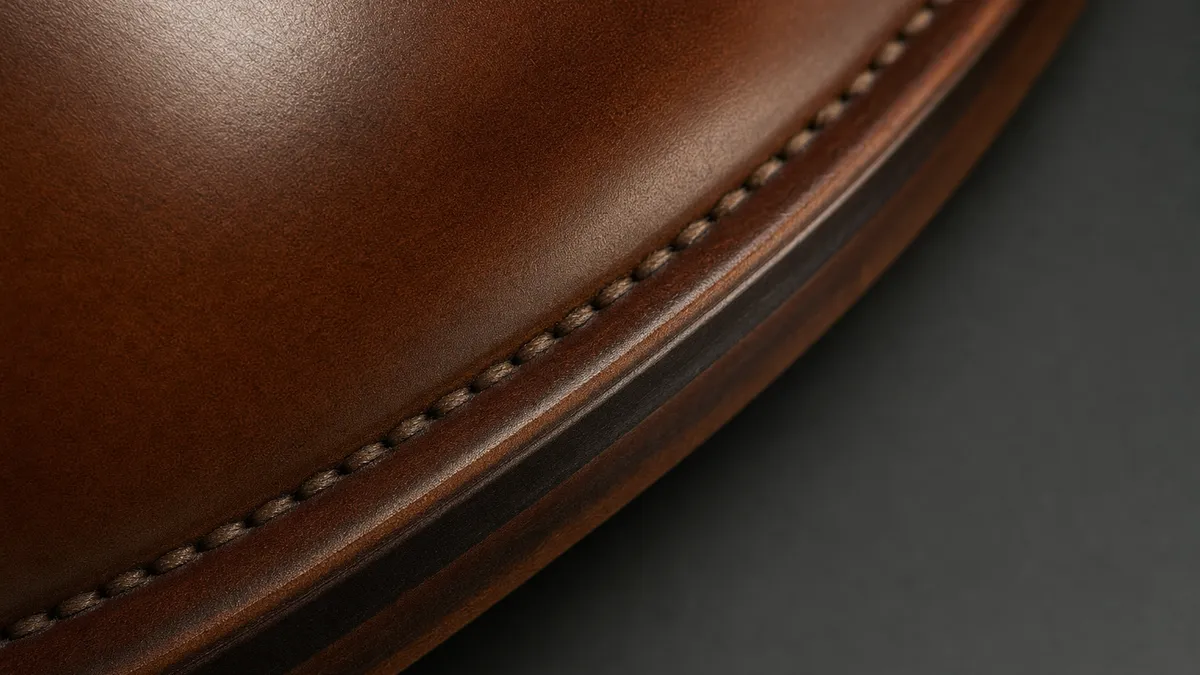 Authentic
 Photo angles for the check
- 1 Overall view
- 2 Logo / tag
- 3 Details & stitching
- 4 Material
Check your Retro Low right now
Snap photos of your item and get an AI verdict with a confidence score in about a minute.
FAQ
The Retro Low sole looks bulkier than the Achilles Low – is it fake?
No, that’s a trait of the Retro line specifically – it has its own, more textured sole construction. Comparing it to the thin Achilles sole isn’t a fair test; judge how cleanly this particular geometry is executed.
The gold on the heel digits has faded in spots – should I worry?
No, the stamp fades naturally with wear. Judge what survives – the evenness of the line and the depth of the characters – not the fading itself.
Can I verify a Retro Low online using the heel numbers?
No, there is no public database to check these digits against. The error can go either way: a replica’s numbers may look convincing, while a genuine pair’s may simply be worn off.
More Common Projects models
Other luxury shoes brands
Check another brand in this category: