Jacquemus · Authentication
Le Chiquito: real vs fake
Le Chiquito is Simon Porte Jacquemus’ flagship – the micro bag that made the brand a meme and an icon at once. Its tiny format is exactly what exposes replicas: at that scale any proportion error, a crooked JACQUEMUS logo plate, or a distorted flap curve shows instantly.
What to check on the Le Chiquito
Model-specific zones – on top of the brand-level signs.
JACQUEMUS logo plate
The engraved JACQUEMUS metal plate on the front is the key tell: on an authentic bag the lettering is exact, letters equal in height and weight, the plate seated level and centered, the mounting neat. Crooked lettering or a shifted, drifting plate is a red flag.
Micro proportions
Le Chiquito is the famous tiny bag with a strict ratio of height, width, and flap. Replicas often make the body “puffier” and the flap curves distorted; match the silhouette against documented release references.
Flap and handle
The flap sits flush on the body, the handle exits at a symmetrical angle, and edge gaps are equal. A skewed flap or a wrong handle tilt shows even in a straight-on photo.
Leather and edge paint
The smooth calf leather is dense with even coloring; on this miniature format neatly painted edges – no drips or gaps – matter most. Thin, hollow leather and sloppy edges give a fake away.
Hardware and closure
The magnetic snap or turn-lock has even, clean polishing and sits with no visible gap or misalignment. Thin, stamped-looking hardware is a typical replica slip.
Stitching
The stitch runs even with consistent pitch, even on the short seams of the small body. On a micro format, a broken pitch and puckered seams show at once.
Where to inspect
The key zones to photograph and check on this type of item – a schematic, not a product photo.
- 1Logo and hardware
- 2Handle attachment
- 3Stitching and edges
- 4Date code and tag
- 5Zipper and base
The difference is in the details – drag the slider
Typical differences in workmanship: stitching consistency, edge finishing, detail quality. Left – factory quality, right – common replica flaws.
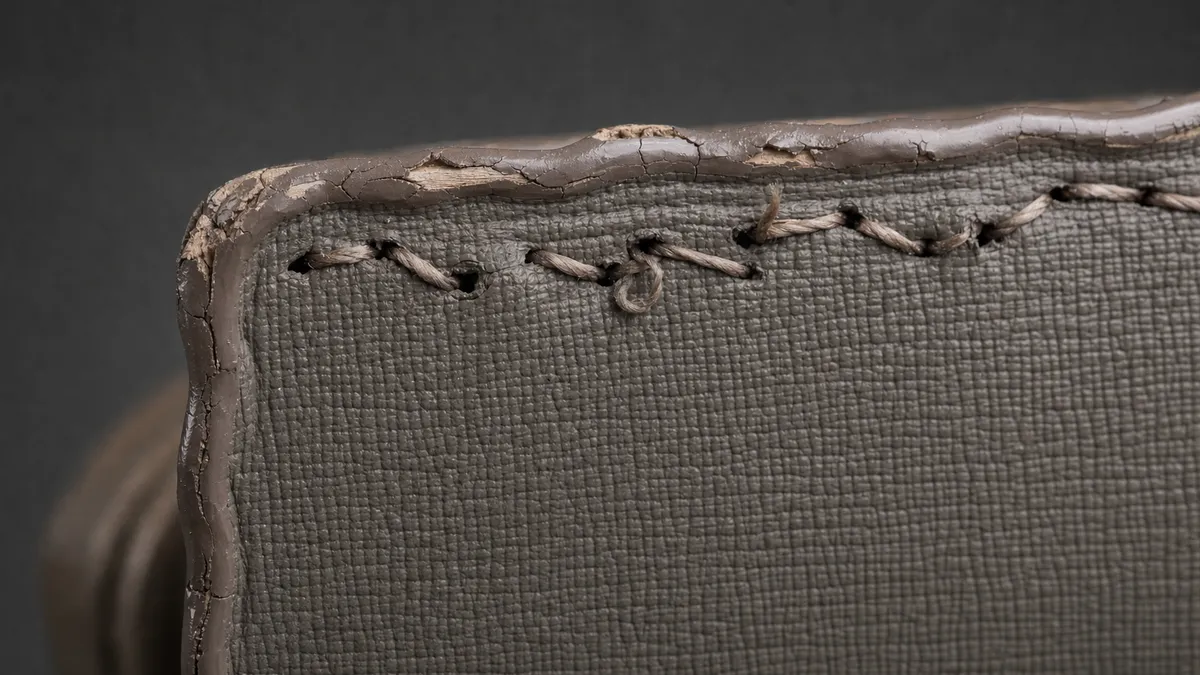 Replica
 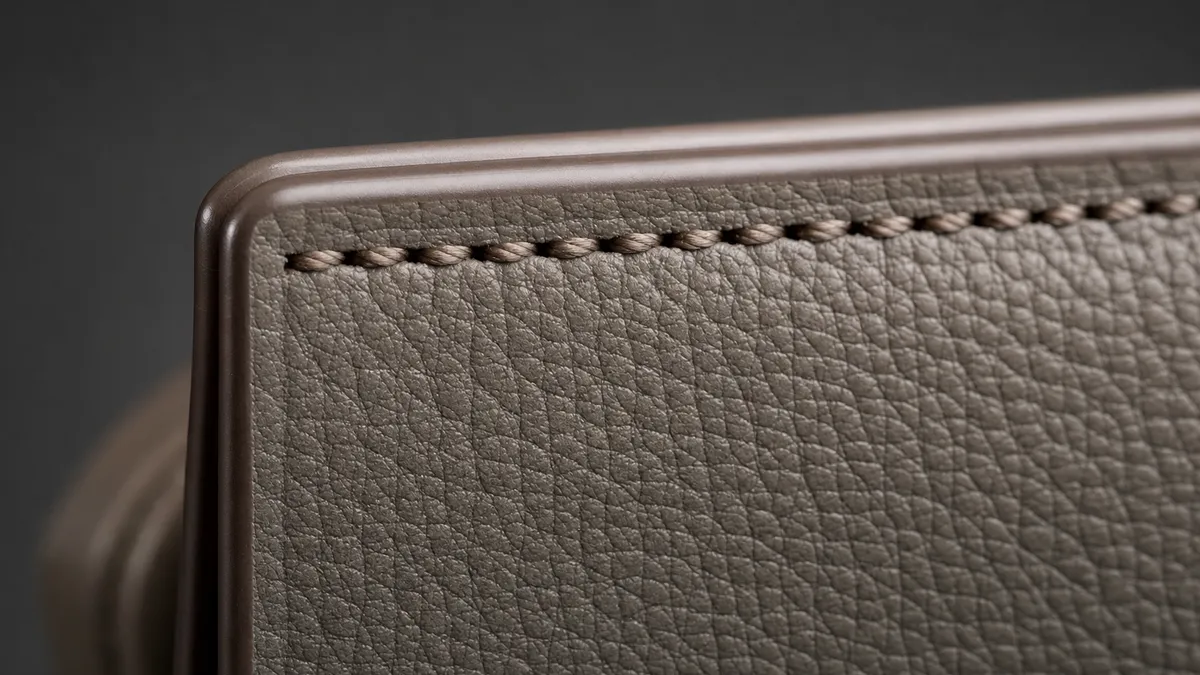 Authentic
 Photo angles for the check
- 1 Front
- 2 Logo / hardware
- 3 Interior
- 4 Date code
- 5 Stitching
Check your Le Chiquito right now
Snap photos of your item and get an AI verdict with a confidence score in about a minute.
FAQ
What should I check first on a Le Chiquito?
The “JACQUEMUS plate + proportions” pair. The plate lettering must be exact and seated level, and the silhouette must match the reference micro proportions. Replicas almost always fail at least one of the two.
Can I verify a Le Chiquito by serial number?
Jacquemus has no public “number lookup” database. Match the markings and silhouette against documented references for the specific release and call the verdict on the full set of tells.
The bag is very small – is that normal?
Yes, Le Chiquito is designed as a micro bag; its tiny size is part of its identity. What’s suspicious isn’t the size but wrong proportions – a bloated body or a distorted flap.
More Jacquemus models
Other luxury handbags brands
Check another brand in this category: