Wrestling · Authentication
WWF Attitude Tee: real vs fake
WWF Attitude-era tees from the late 90s are a whole layer of wrestling merch, and the WWF logo is exactly what makes them valuable — and vulnerable to faking. An original gives itself away by era, not the graphic: single-stitch hems, thin worn cotton, and the WWF "scratch" logo used before the 2002 rename to WWE. Upload photos to LegitCheck AI — it checks stitching, tag and logo and separates vintage from modern retro merch.
What to check on the WWF Attitude Tee
Model-specific zones — on top of the brand-level signs.
WWF vs WWE logo
The key dating signal: an Attitude-era original carries the WWF "scratch" logo, because the company used the WWF name until the 2002 rename to WWE. A WWE logo on a "90s" tee is a near-certain sign of a later retro release.
Single-stitch hems
Late-90s vintage is usually single-needle hemmed on sleeves and bottom. Single stitching dominated until the mid-90s, but the switch was gradual and ran on each manufacturer’s own schedule: double stitching by itself does not rule out authenticity, especially on late-90s and early-2000s pieces, and it also appears on genuine 70s-80s vintage. Judge the hem only together with the tag, print and fabric.
Blank tag and its era
The blank tag type and the copyright line near the print must match the late 90s. A fresh modern tag on an "Attitude Era" tee is a red flag. The specific blank brand cannot be identified from the look alone — compare the tag type against documented era references.
Print texture and aging
A real screenprint is thin, soaked into the fabric and cracked naturally through washes and years. Thick plastisol, HD printing or artificially even fake cracking gives away a reproduction.
Cotton and fit
Vintage is thin, soft, faded cotton in a boxy cut with even wear. A stiff, heavy, bright-white modern blank with retail-shelf density does not match the era.
Original vs bootleg vs retro merch
Separate a late-90s original, a period bootleg from the same years, and a modern official retro release. An official reissue is a genuine product, just not vintage, and a period bootleg is its own collecting category; neither one is a fake. A retro release shows fresh fabric, a new tag and a WWE logo instead of WWF.
Where to inspect
The key zones to photograph and check on this type of item — a schematic, not a product photo.
- 1Neck label and tags
- 2Print and its printing
- 3Stitching and hem
- 4Shoulder and sleeve seam
- 5Fabric and weight
The difference is in the details — drag the slider
Typical differences in workmanship: stitching consistency, edge finishing, detail quality. Left — factory quality, right — common replica flaws.
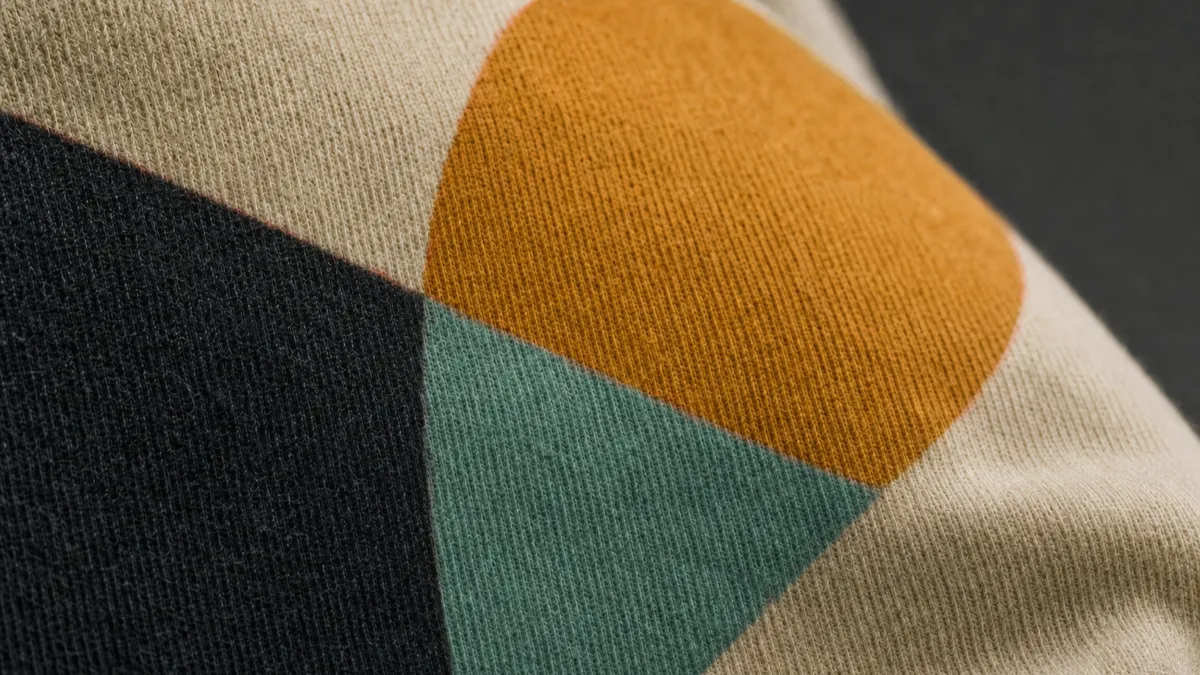 Replica
 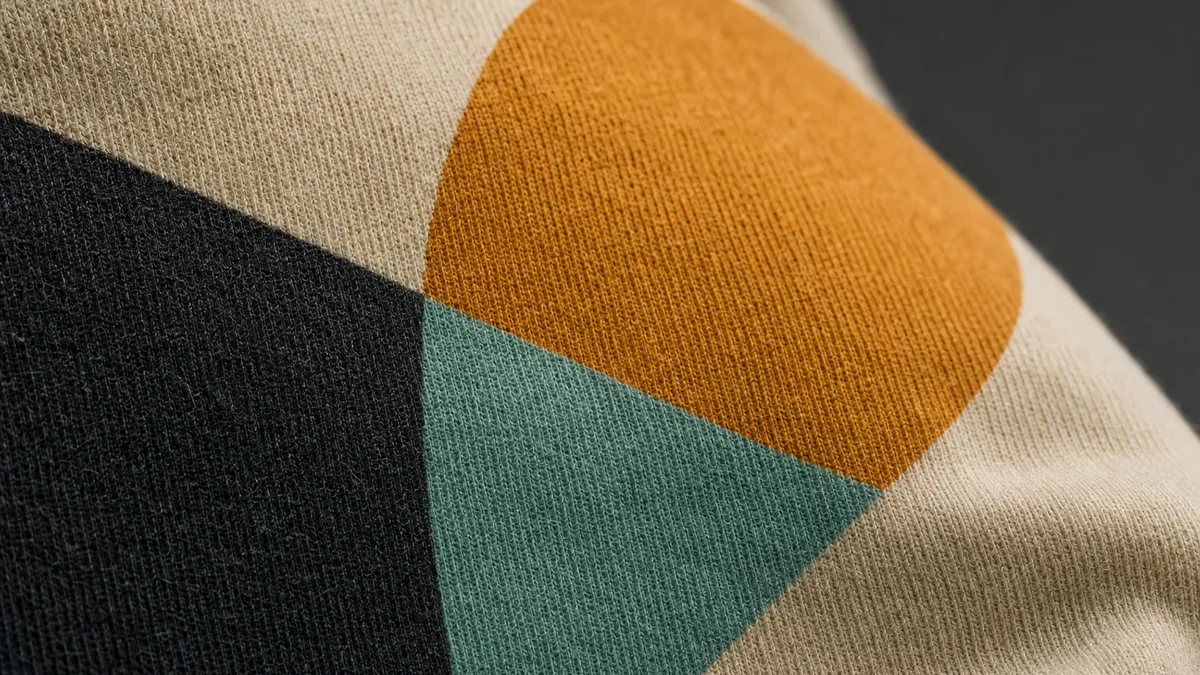 Authentic
 Photo angles for the check
- 1 Overall view
- 2 Logo / tag
- 3 Details & stitching
- 4 Material
Check your WWF Attitude Tee right now
Snap photos of your item and get an AI verdict with a confidence score in about a minute.
FAQ
Why does the WWF logo matter so much for dating?
The company used the WWF name until the 2002 rename to WWE, so the WWF "scratch" logo is a reliable Attitude-era marker. A WWE logo on a tee sold as late-90s vintage almost always points to later retro merch.
Does single-stitch guarantee vintage?
No, it is only a strong era signal — stitching can be imitated. Weigh it together with the WWF/WWE logo, tag type and print aging; all markers should agree.
Can I check this tee from photos?
Yes. Shoot the sleeve and bottom hem, the tag, the WWF logo and the print texture — LegitCheck AI analyzes these zones and returns a verdict with a confidence score.
More Wrestling models
Other vintage t-shirts brands
Check another brand in this category: