Vintage Nike · Authentication
Nike Grey Tag 70s-80s: real vs fake
Nike Grey Tag is the grey-tag era with pinwheel graphics and an orange swoosh, one of the earliest and most valuable milestones of vintage Nike. Dating here is subtle: the tag eras are documented, but keep specific year cut-offs soft and cross-check the timeline. An original shows itself through single-stitch hems, a very thin worn blank and the character of the swoosh print. Upload photos to LegitCheck AI — it checks tag, stitching and print.
What to check on the Nike Grey Tag 70s-80s
Model-specific zones — on top of the brand-level signs.
Grey tag and its era
The grey tag belongs to an early Nike era of roughly the 70s to early 80s, often with a pinwheel element and an orange swoosh. No hard year can be pinned from this tag: compare its look and text against the documented Nike tag timeline.
Pinwheel and orange swoosh
This era is marked by a pinwheel motif and an orange swoosh of a specific shape. Compare the swoosh shape and color against era references; a wrong proportion or hue is a reason to doubt.
Single-stitch
Early vintage is usually single-needle hemmed on sleeves and bottom. Single stitching dominated until the mid-90s, but the switch was gradual and ran on each manufacturer’s own schedule: double stitching also appears on genuine 70s-80s vintage, so on its own it does not rule out authenticity. Judge the hem only together with the tag, print and fabric.
Very thin era blank
Blanks of this era are notably thin, soft, heavily worn cotton. Dense, heavy or bright-white modern fabric does not match the early period and gives away a reproduction.
Print and natural aging
The original print is thin, soaked into the fabric and worn by decades of use. Thick plastisol, HD printing or artificially even cracking is incompatible with the grey-tag era.
Period original vs reprint
Separate a genuine grey-tag original, a period bootleg and a modern reprint imitating the early look. Tag, stitching, blank and print should all agree — a single signal proves nothing.
Where to inspect
The key zones to photograph and check on this type of item — a schematic, not a product photo.
- 1Neck label and tags
- 2Print and its printing
- 3Stitching and hem
- 4Shoulder and sleeve seam
- 5Fabric and weight
The difference is in the details — drag the slider
Typical differences in workmanship: stitching consistency, edge finishing, detail quality. Left — factory quality, right — common replica flaws.
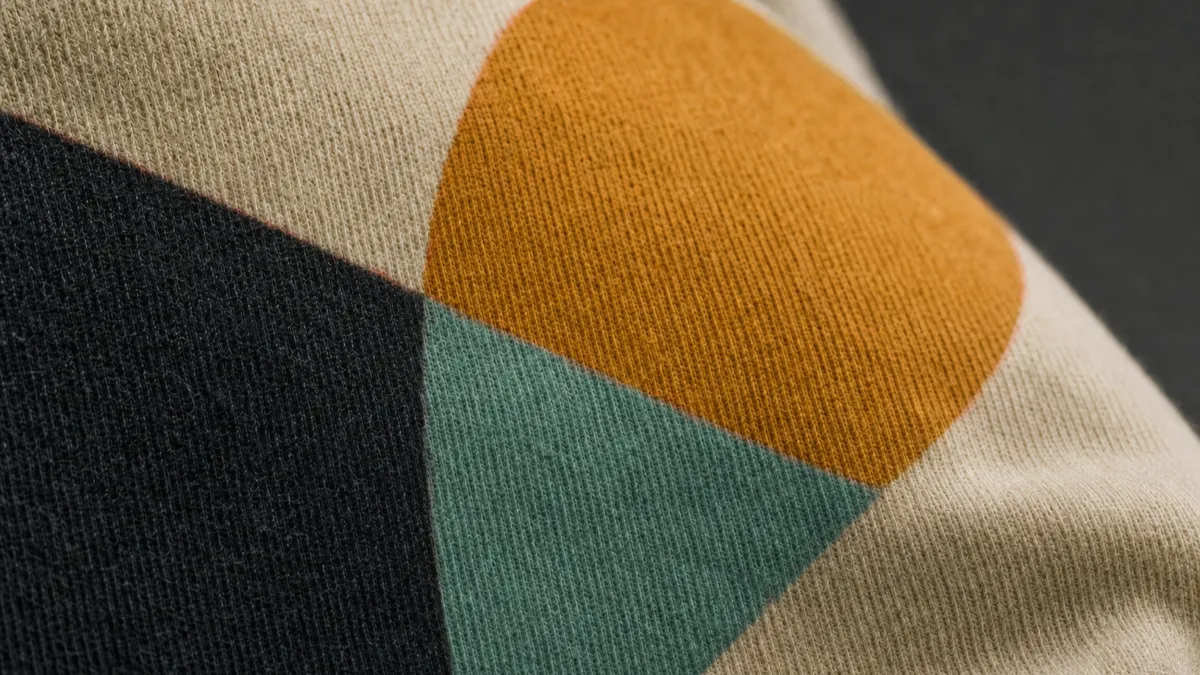 Replica
 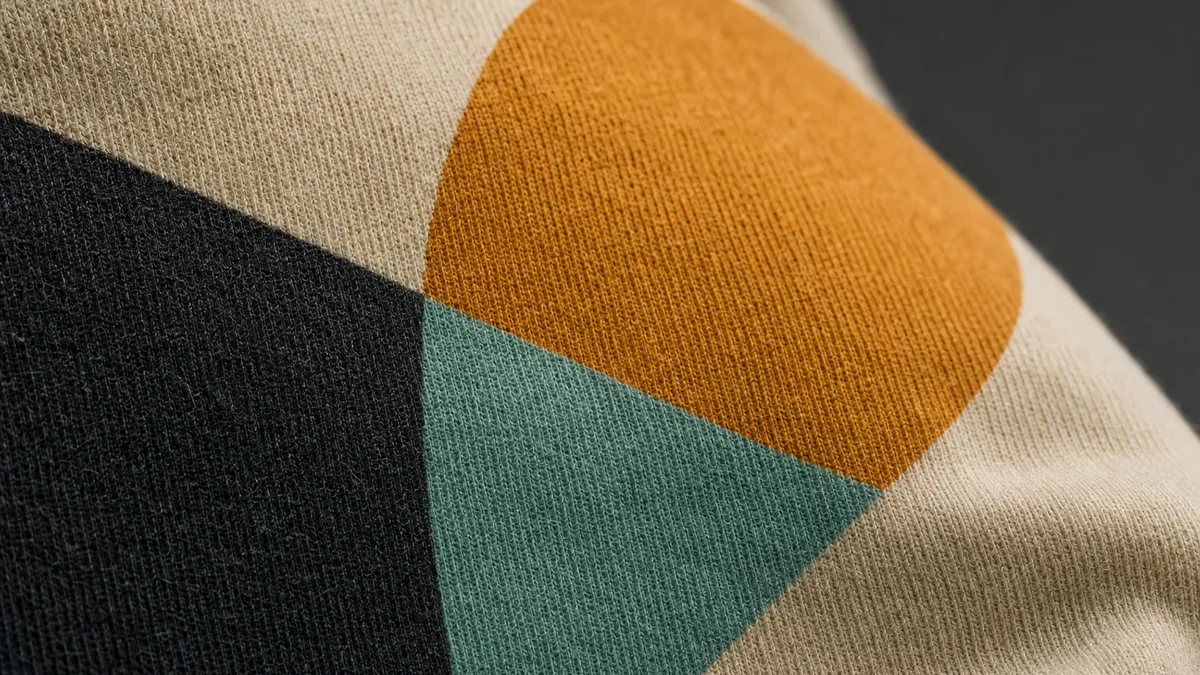 Authentic
 Photo angles for the check
- 1 Overall view
- 2 Logo / tag
- 3 Details & stitching
- 4 Material
Check your Nike Grey Tag 70s-80s right now
Snap photos of your item and get an AI verdict with a confidence score in about a minute.
FAQ
What years does the grey tag date to?
Roughly an early Nike era around the 70s to early 80s, but keep specific year cut-offs soft. Rely on the documented Nike tag timeline: a precise date cannot be pinned from the tag alone.
What do the pinwheel and orange swoosh mean?
They are characteristic elements of the early Nike era, often accompanying the grey tag. Compare their shape and hue against references; deviations in swoosh proportion or color are a caution signal.
Can I verify such a tee from photos?
Yes. Shoot the tag close up, the hem and the swoosh with spellout — LegitCheck AI matches the tag look, stitching and print to the era and returns a confidence score.
More Vintage Nike models
Other vintage t-shirts brands
Check another brand in this category: