Sports Teams · Authentication
Chicago Bulls 90s Tee: real vs fake
The Chicago Bulls tee from the 90s is one of the most sought-after vintage relics of the basketball era, and the market is flooded with modern copies posing as it. An original gives itself away by era, not the bull logo: single-stitch hems, thin worn cotton, league licensing marks and a soft screenprint aged naturally. Upload photos to LegitCheck AI — it checks the stitching, tag era and print texture to separate genuine vintage from a reprint.
What to check on the Chicago Bulls 90s Tee
Model-specific zones — on top of the brand-level signs.
Single-needle stitching
On genuine 90s vintage the sleeve and bottom hems are sewn with a single needle — one visible row of stitch. Single-stitch construction dominated until the mid-90s, but the switch was gradual and each maker made it on its own schedule: a double-stitch hem alone does not rule out authenticity, especially on late-90s pieces, and it does turn up on genuine 70s-80s vintage. Read the hem only together with the tag, the print and the fabric.
League licensing marks
Official vintage carries league (NBA) and rights-holder licensing marks near the print or on the tag. A readable licensing line is a plus, but its absence proves nothing on its own: on vintage it was often printed in ink and wears away with the graphic, or it sat only on a tag that has since been cut out. Compare the mark type against documented era references.
Blank tag and its era
The manufacturer tag of the blank must match the release era. A modern blank-brand tag on a "90s" tee is a red flag. The specific tag brand cannot be pinned down by look alone — compare its type against documented period references.
Print texture and aging
The original screenprint is thin and soft: in photos you can see the ink sitting inside the weave, with cracking and fading earned naturally through washes and years. A thick glossy plastisol with visible relief or artificially even fake cracking gives away a reprint.
Fabric and fit
Vintage means thin, soft, worn cotton in a boxy cut with even fading: in photos the fabric is slightly sheer and falls in soft folds. A stiff, heavy, bright-white modern blank with retail-shelf density is suspect.
Original vs bootleg vs reissue
Separate three things: licensed period vintage, an unlicensed period bootleg and a modern official reissue. An unlicensed period bootleg is not a fake but its own collectible category from the same years: the point is not to pass it off as licensed merch, and not to reject it as counterfeit either. An official reissue is likewise a genuine product — just not vintage; it reveals itself through a mismatched tag type, fresh fabric and thick modern printing even when the graphic is copied exactly.
Where to inspect
The key zones to photograph and check on this type of item — a schematic, not a product photo.
- 1Neck label and tags
- 2Print and its printing
- 3Stitching and hem
- 4Shoulder and sleeve seam
- 5Fabric and weight
The difference is in the details — drag the slider
Typical differences in workmanship: stitching consistency, edge finishing, detail quality. Left — factory quality, right — common replica flaws.
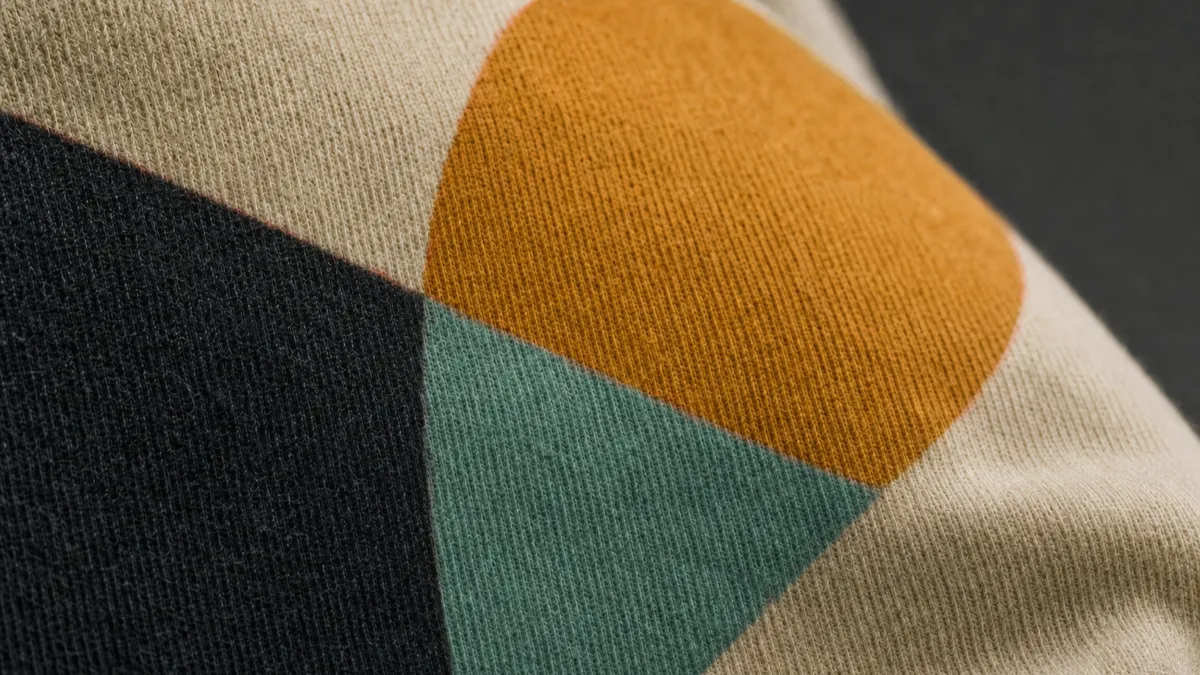 Replica
 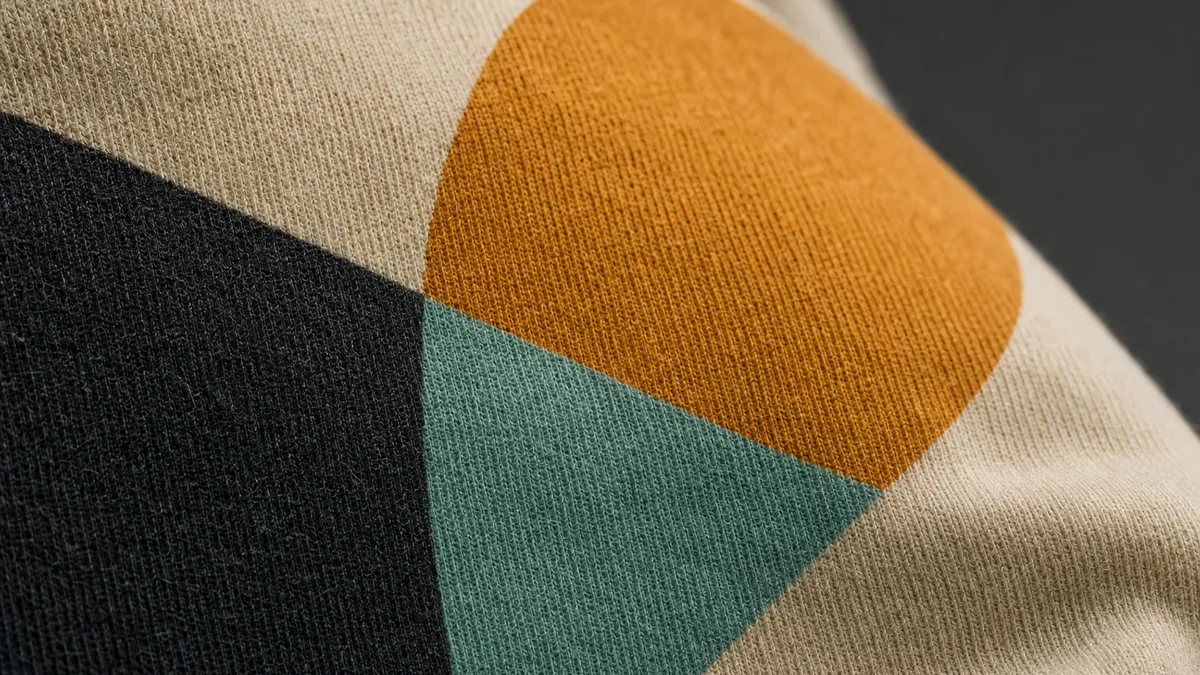 Authentic
 Photo angles for the check
- 1 Overall view
- 2 Logo / tag
- 3 Details & stitching
- 4 Material
Check your Chicago Bulls 90s Tee right now
Snap photos of your item and get an AI verdict with a confidence score in about a minute.
FAQ
Does single-stitch guarantee a tee is vintage?
It raises the odds but is not a guarantee on its own — stitching can be imitated, and the switch to double stitching was gradual and maker-specific, so a double-stitch hem does not rule out authenticity, especially on late-90s pieces. Weigh it together with tag era, league licensing marks and print aging; the signals should all agree, not just one.
How do I tell a bootleg from licensed vintage?
Look at the league and rights-holder licensing marks: official vintage carries them. But a missing readable line proves nothing — the ink wears away with the print and tags were often cut out. Specific licensing codes cannot be reconstructed from a photo — compare the mark type against documented examples. And remember: a period bootleg is not a fake but its own collectible category from the same years.
What if the tag is cut out or unreadable?
This is very common on real vintage: tags were cut out for comfort, and decades of wear can rub the printing off them entirely. A missing tag is not a sign of a fake — it is simply one less data source. Date the piece by the remaining zones: the hem stitching, the thickness and softness of the screenprint, the character of the cracking, and the cut and fit.
Can I check this tee from photos alone?
Yes. Shoot the sleeve and bottom hem close up, the neck tag, the print texture and the licensing line. LegitCheck AI analyzes these zones and returns a verdict with a confidence score.
More Sports Teams models
Other vintage t-shirts brands
Check another brand in this category: