Hip-Hop · Authentication
Biggie Ready to Die: real vs fake
Biggie Ready to Die tees (The Notorious B.I.G., 1994) with the cover baby are a perennial rap-merch hit, so modern reprints and fashion editions vastly outnumber genuine 90s vintage. The Biggie portrait was usually printed photo-realistically, and what decides it is halftone quality and construction era, not the shot itself. Upload photos to LegitCheck AI — it checks the single-stitch hem, tag and halftone character.
What to check on the Biggie Ready to Die
Model-specific zones — on top of the brand-level signs.
Single-stitch hems
On 90s vintage the sleeves and bottom are usually hemmed with a single needle. Single stitching dominated until the mid-90s, but the switch was gradual and ran on each manufacturer’s own schedule: double stitching by itself does not rule out authenticity, especially on late-90s and early-2000s pieces, and it also appears on genuine 70s-80s vintage. Judge the hem only together with the tag, print and fabric. The hem dates a piece; it does not prove a license.
Biggie portrait halftones
On an original the photo-realistic portrait is rendered with soft halftone dots soaked into the fabric, a smooth tone and natural cracking. Coarse dots, thick plastisol and a glossy HD edge give away a reproduction.
Era tag and copyright
The blank tag type and the copyright line near the print must match the mid-90s. The specific blank brand cannot be identified from the look alone — compare the tag type against documented era references.
Cotton and fit
Vintage is soft, thin, worn cotton in a boxy cut with even fading. A dense, stiff modern blank reads as new even in photos: it does not show through and holds its shape.
Vintage vs bootleg vs edition
Separate genuine licensed vintage, a 90s period bootleg and a modern fashion edition. Many "Ready to Die" tees on the market are reproductions; officiality is confirmed only by the whole set of signals.
Where to inspect
The key zones to photograph and check on this type of item — a schematic, not a product photo.
- 1Neck label and tags
- 2Print and its printing
- 3Stitching and hem
- 4Shoulder and sleeve seam
- 5Fabric and weight
The difference is in the details — drag the slider
Typical differences in workmanship: stitching consistency, edge finishing, detail quality. Left — factory quality, right — common replica flaws.
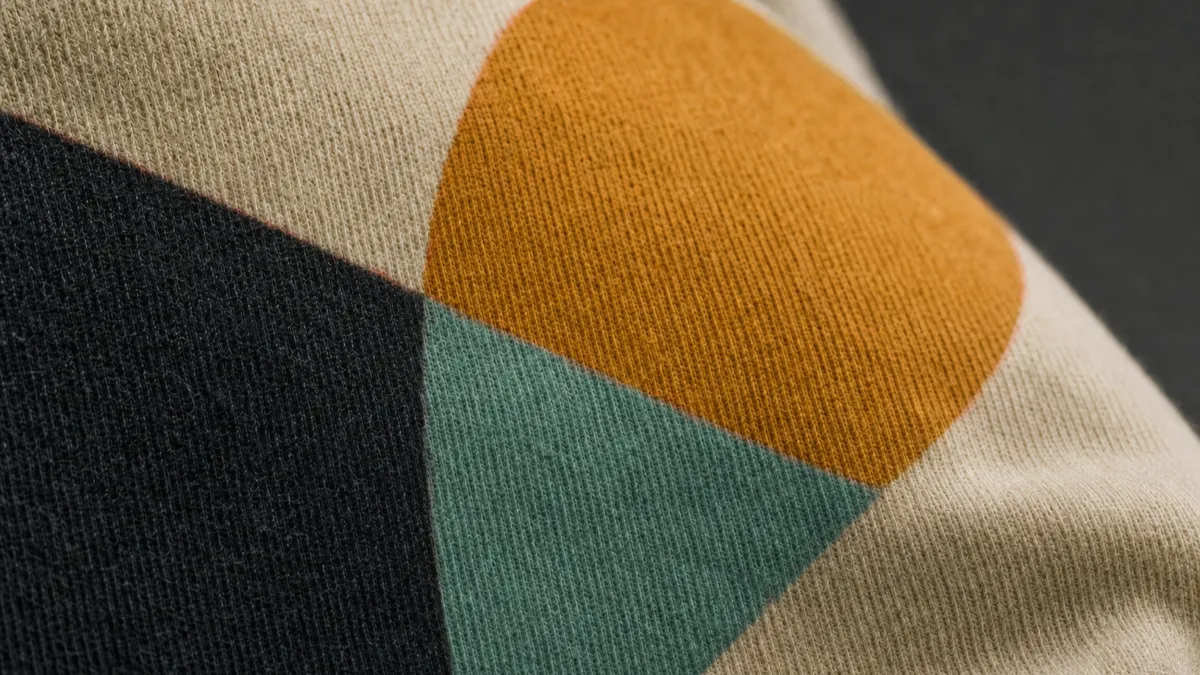 Replica
 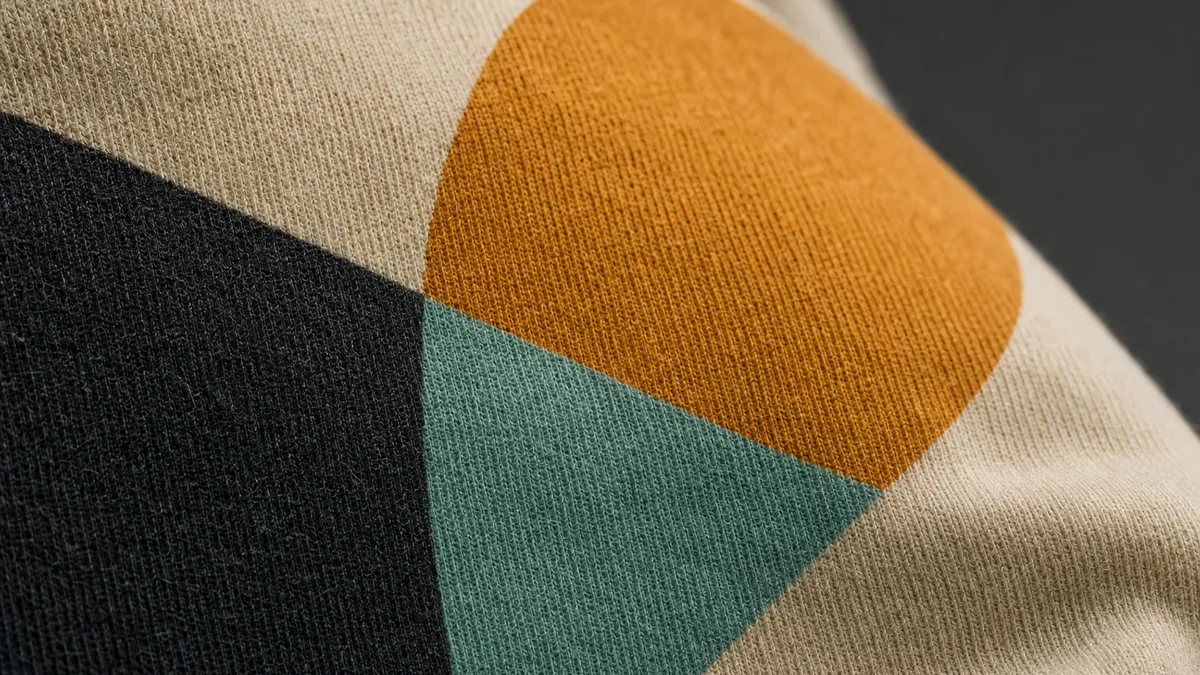 Authentic
 Photo angles for the check
- 1 Overall view
- 2 Logo / tag
- 3 Details & stitching
- 4 Material
Check your Biggie Ready to Die right now
Snap photos of your item and get an AI verdict with a confidence score in about a minute.
FAQ
How reliable is single-stitch for Ready to Die?
It is a 90s tell but not proof of officiality — period bootlegs were single-stitched too. And the reverse: double stitching is not a disqualifier, since the switch was gradual and manufacturer-specific. Weigh the hem together with tag era, halftone quality and cotton weight.
How do I tell an original photo print from a reprint?
On an original the halftone dots are soft and soaked in, the tone smooth, the cracking uneven. A reprint reveals harsh dots, thick plastisol or HD printing and even fake cracking.
Are photos enough to verify?
Yes. Shoot the sleeve and bottom hem, the tag and a close-up of the portrait with its halftone — LegitCheck AI analyzes the zones and returns a confidence score.
More Hip-Hop models
Other vintage t-shirts brands
Check another brand in this category: