Essentials · Authentication
Hoodie: real vs fake
The Essentials Hoodie is the highest-volume and most-copied piece in the Fear of God Essentials line, so authentication always starts with the rubber logo patch on the chest (“ESSENTIALS” and “FEAR OF GOD”) and the large back print. The original gives itself away through the correct application font, thickness, and letter spacing, heavyweight fleece, and a proper oversized cut. Upload photos to LegitCheck AI to get the patch, tags, and fit checked in about a minute.
What to check on the Hoodie
Model-specific zones — on top of the brand-level signs.
Rubber logo patch on the chest
The raised rubber (silicone) “ESSENTIALS” and “FEAR OF GOD” application is laid down evenly, with the correct font, thickness, and letter spacing, and clean edges with no bubbling. Replicas use the wrong typeface, crooked spacing, the wrong size, and messy patch edges.
Rubber back print
The large flock/rubber “ESSENTIALS” print on the back uses the correct font, calibrated point size and position, and reads level across. Fakes miss the letter weight and width and set the print too high or too low.
Fleece weight and cut
The original is heavyweight, dense fleece — the hoodie has real weight, and the cut is deliberately oversized with a dropped shoulder. Fakes are thinner and lighter, the fabric is looser-knit, and the fit is narrower than reference.
Interior tags
A neck label and care tag with “FEAR OF GOD” / “ESSENTIALS” and correct fonts are stitched neatly at the collar. Cross-reference the season code and SKU format against documented references for the specific drop — there is no public lookup database, and details change season to season.
“1977” detail on some drops
Some releases carry a rubber or flock “1977” print in the correct font. Don’t assume it’s there: if unsure, cross-reference the piece against photos of the real release rather than adding the detail from memory.
Hood drawcord and ribbing
The drawcord is thick with rubber tips, the eyelets are clean, and the cuff and hem ribbing is springy. Fakes have a thin cord, coarse tips, and slack ribbing that stretches out fast.
Where to inspect
The key zones to photograph and check on this type of item — a schematic, not a product photo.
- 1Neck label and tags
- 2Print and its printing
- 3Stitching and hem
- 4Shoulder and sleeve seam
- 5Fabric and weight
The difference is in the details — drag the slider
Typical differences in workmanship: stitching consistency, edge finishing, detail quality. Left — factory quality, right — common replica flaws.
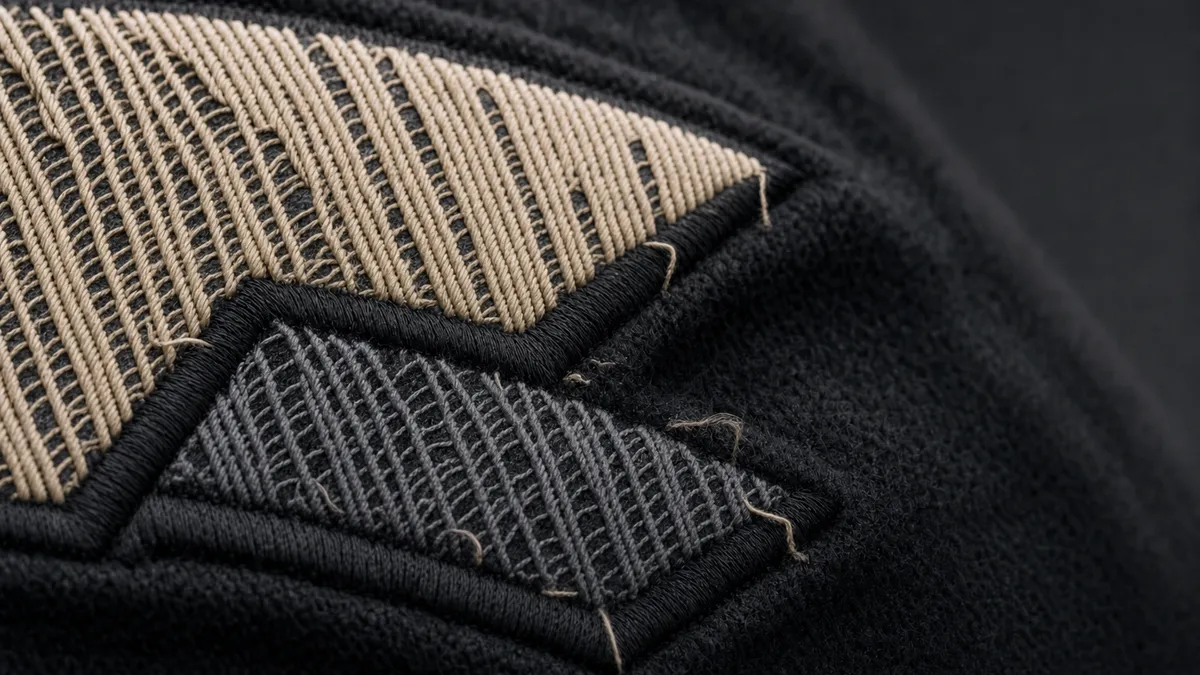 Replica
 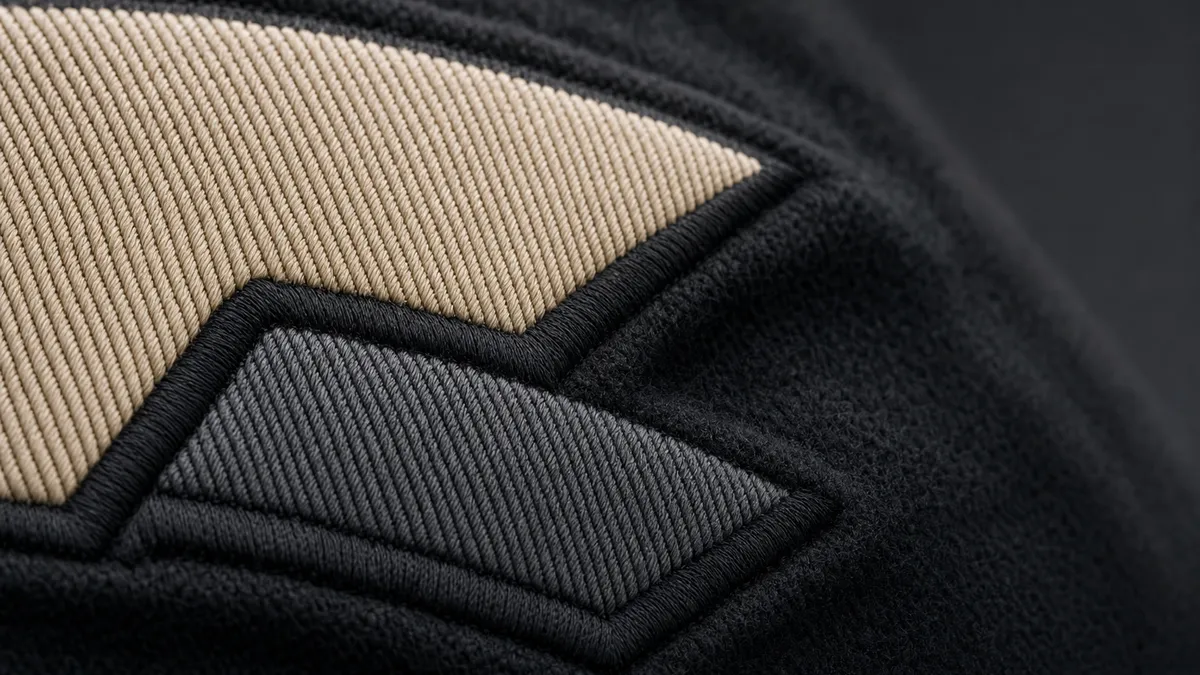 Authentic
 Photo angles for the check
- 1 Overall view
- 2 Logo / tag
- 3 Details & stitching
- 4 Material
Check your Hoodie right now
Snap photos of your item and get an AI verdict with a confidence score in about a minute.
FAQ
How do I tell the Essentials rubber tag on a real vs fake?
On the original the application sits flat, the font, thickness, and letter spacing are calibrated, and the edges are clean with no bubbles. On a fake the typeface is wrong, the spacing is crooked, the size or thickness is off, and the patch edges are messy. It’s the first thing to check.
Does the Essentials Hoodie have a serial number to check?
No. Fear of God Essentials has no serial numbers, and there is no public lookup database. Authentication rests on the rubber patch, the interior tags, the fleece weight, and the cut — plus matching the piece to documented references for its specific drop.
Can I authenticate an Essentials Hoodie from photos?
Yes. The rubber patch, back print, tags, and ribbing all read clearly in photos. Shoot the chest logo close up, the back print, the neck with its tags, and the cuffs — LegitCheck AI returns a verdict with a confidence score.
More Essentials models
Other streetwear brands
Check another brand in this category: