Loewe · Authentication
Anagram Knit: real vs fake
The Anagram Knit covers Loewe’s sweaters — most often wool or cashmere — with the four-mirrored-L monogram embroidered on the chest. On knitwear two zones expose a fake at once: the embroidery itself sitting on the loop structure, and the yarn quality with the seam finishing. Upload photos to LegitCheck AI to get the Anagram, yarn, and tags checked in about a minute.
What to check on the Anagram Knit
Model-specific zones — on top of the brand-level signs.
Anagram on a knit base
Embroidering a clean monogram on stretchy knit is hard — on the original the four mirrored L’s keep exact geometry and symmetry without puckering the fabric. Replica embroidery distorts the loops, the figure skews, and the knit wrinkles around it.
Stitch quality
The stitches are dense and even, sitting neatly on top of the loop structure with clean Anagram edges. Fake embroidery is sparse and stiff, with cheap thread that catches light differently from the surrounding yarn.
Reverse side under the embroidery
Inside out, the original shows a tidy backing under the Anagram — no knots, clumps, or crude glue film, which stands out especially on knitwear. Replica reverses are sloppy and scratch during wear.
Yarn and loop structure
The original is knitted from quality wool or cashmere: even loops, a soft, springy fabric that doesn’t pill immediately. Fake yarn feels coarse or overly synthetic, the loops run uneven, and the surface pills fast.
Neck label and composition
The woven LOEWE label in the house typeface with its distinctive W is sewn in straight; the composition tag lists plausible fibers and a correct country of origin (often Spain, Portugal, or Italy). Match the specific model’s composition against documented release references.
Seams and knit finishing
The shoulder seams, neckline, and cuffs are finished cleanly, the linked seams run even, and the ribbing is springy. On replicas the seams are crude, the neckline sags, and the cuffs lose shape after the first stretch.
Where to inspect
The key zones to photograph and check on this type of item — a schematic, not a product photo.
- 1Neck label and tags
- 2Print and its printing
- 3Stitching and hem
- 4Shoulder and sleeve seam
- 5Fabric and weight
The difference is in the details — drag the slider
Typical differences in workmanship: stitching consistency, edge finishing, detail quality. Left — factory quality, right — common replica flaws.
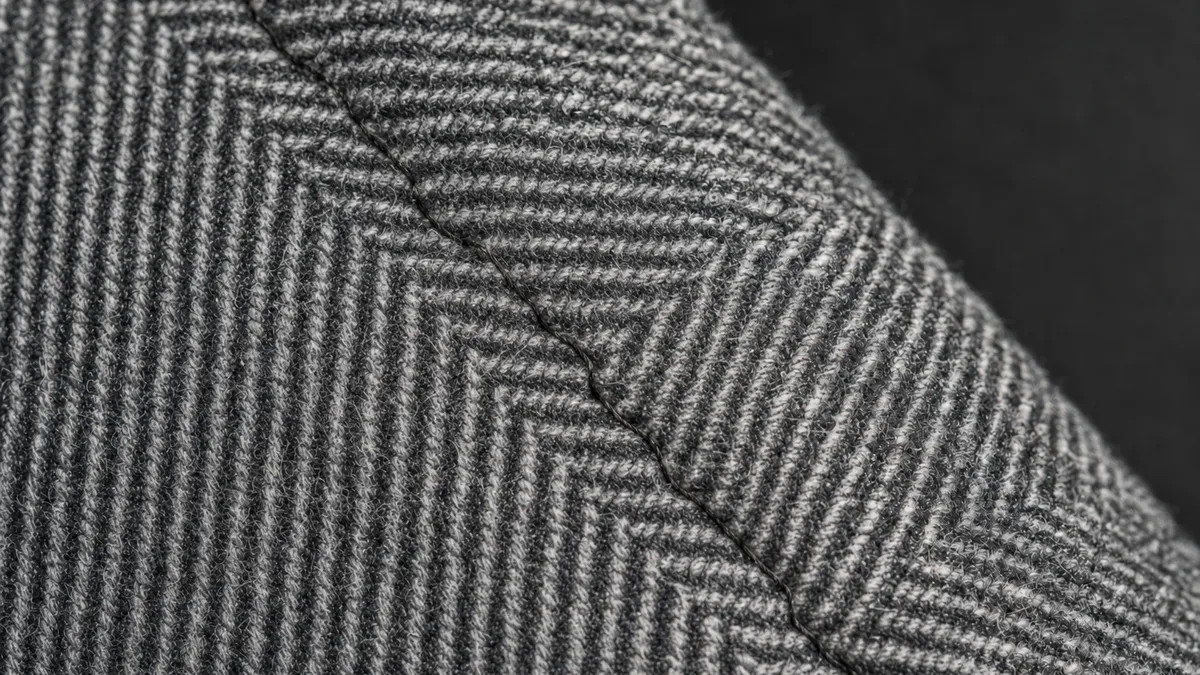 Replica
 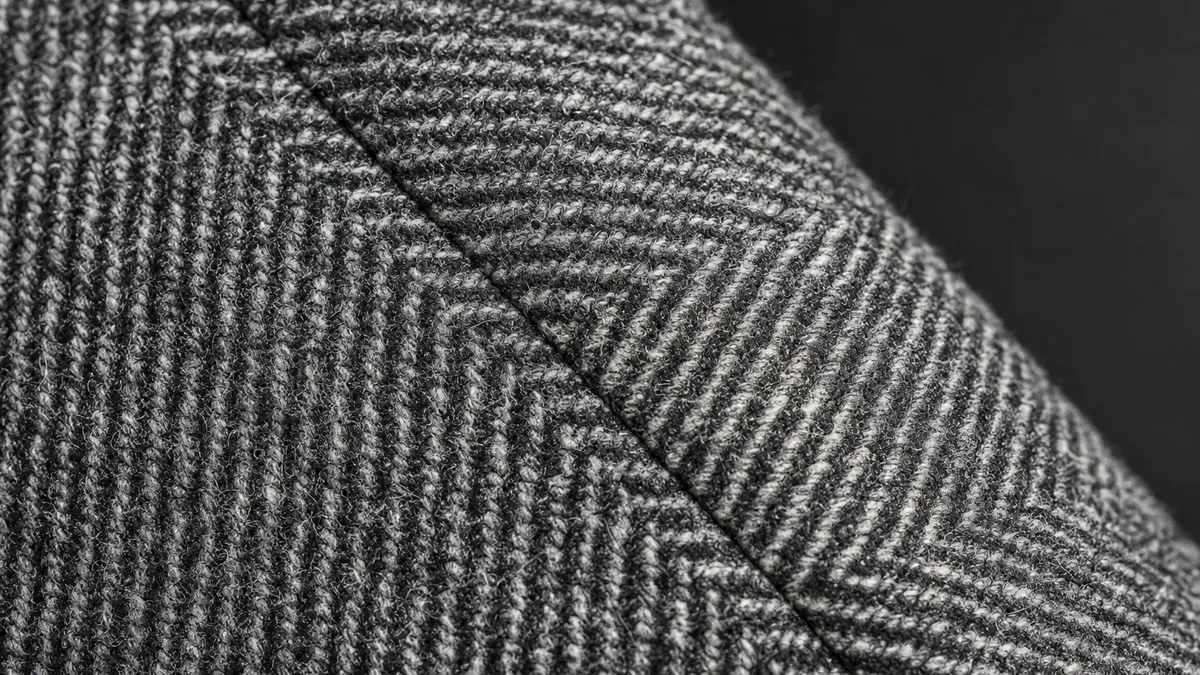 Authentic
 Photo angles for the check
- 1 Overall view
- 2 Logo / tag
- 3 Details & stitching
- 4 Material
Check your Anagram Knit right now
Snap photos of your item and get an AI verdict with a confidence score in about a minute.
FAQ
Why is embroidery on knitwear such a reliable test?
Embroidering a monogram cleanly on elastic fabric is difficult and expensive: it needs proper stabilizing, or the stitches pucker the loops. The original keeps the Anagram’s exact geometry with no wrinkling around it; replicas almost always distort the fabric or the figure.
How do I judge the yarn from photos?
Shoot the fabric close up in daylight: genuine loops are even, the surface is smooth, with no pilling or stray fibers. Coarse, uneven knitting and a synthetic sheen are replica signs. A photo of the composition tag helps too.
Can I authenticate the sweater from photos alone?
Yes. The Anagram geometry, stitches, embroidery reverse, knit structure, and tags all read in images. Shoot the monogram close up, the inside-out area beneath it, the neckline with tags, and the fabric in macro — LegitCheck AI returns a verdict with a confidence score.
More Loewe models
Other luxury clothing brands
Check another brand in this category: