Givenchy · Authentication
Logo T-Shirt: real vs fake
The Logo T-Shirt is the most copied piece in Givenchy’s clothing line: the whole look rides on one logo print and on the typography of the interior labels. Reps almost always fail right there — the “GIVENCHY” lettering drifts on stroke weight and spacing, and the print loses crispness at the edges. Upload photos to LegitCheck AI and the AI checks the print, labels and cotton weight in about a minute.
What to check on the Logo T-Shirt
Model-specific zones — on top of the brand-level signs.
Logo print typography
On the original the “GIVENCHY” wordmark uses a precise typeface: uniform stroke weight, calibrated letter spacing and an even baseline. Reps miss the point size and spacing — letters read either wider or tighter than reference. Match the lettering against documented references for the specific release.
Print quality and edges
The genuine print holds crisp edges, even opacity and saturated color with no halo. On fakes the outline blurs, the layer is either thick and rubbery or washed out, and cracking shows up after the first wash.
Print placement and scale
The print sits centered on the front at a calibrated scale relative to the neckline and shoulder line. A vertical shift, a skew against the side seam, or an oversized scale points to a rep.
Main interior brand label
The interior “GIVENCHY” label (often with “PARIS”) has clean lettering, correct spacing and even attachment squarely at the center of the neck. Crooked placement, smudged printing and drifting spacing are red flags. Givenchy has no public code-lookup database.
Composition, care and size labels
The separate composition/care and size labels print sharply, the wash symbols read without blur, and the stated composition matches the material. Don’t invent a style-number format — judge print sharpness and whether the markings themselves are correct.
Cotton weight and finishing
The original is cut from dense cotton that isn’t see-through and holds its shape; hem and sleeve stitching is even with tidy bar tacks. Fakes feel noticeably thinner, the fabric is loose, and the stitching is sparse or wanders.
Where to inspect
The key zones to photograph and check on this type of item — a schematic, not a product photo.
- 1Neck label and tags
- 2Print and its printing
- 3Stitching and hem
- 4Shoulder and sleeve seam
- 5Fabric and weight
The difference is in the details — drag the slider
Typical differences in workmanship: stitching consistency, edge finishing, detail quality. Left — factory quality, right — common replica flaws.
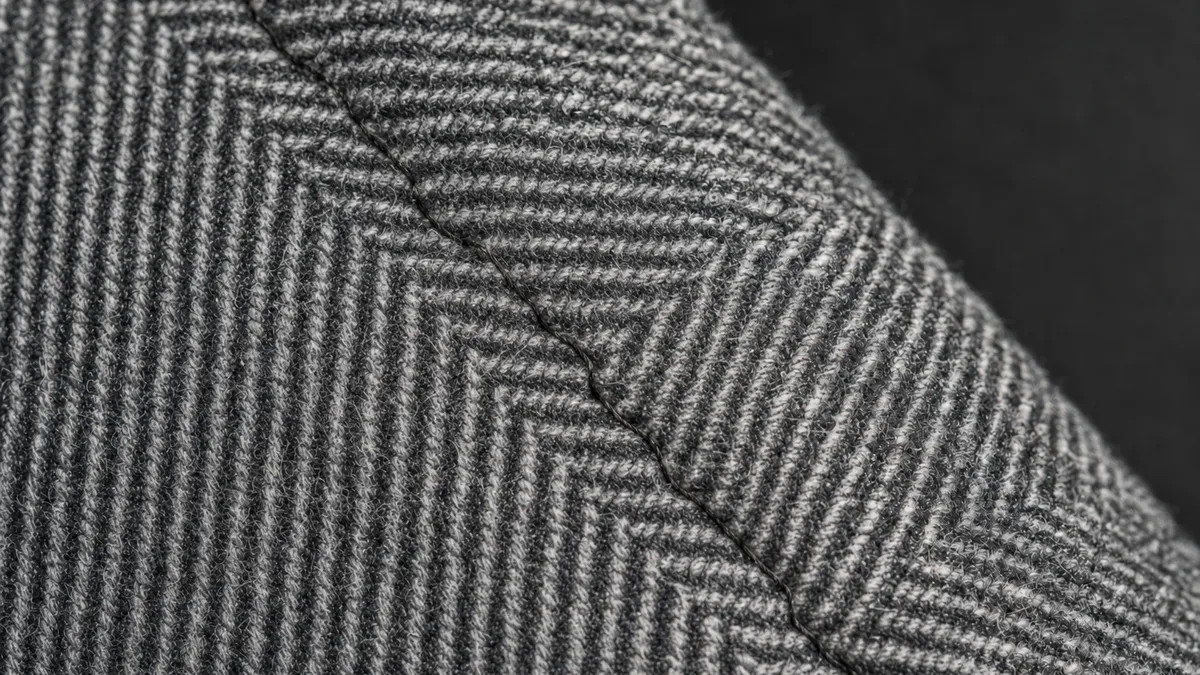 Replica
 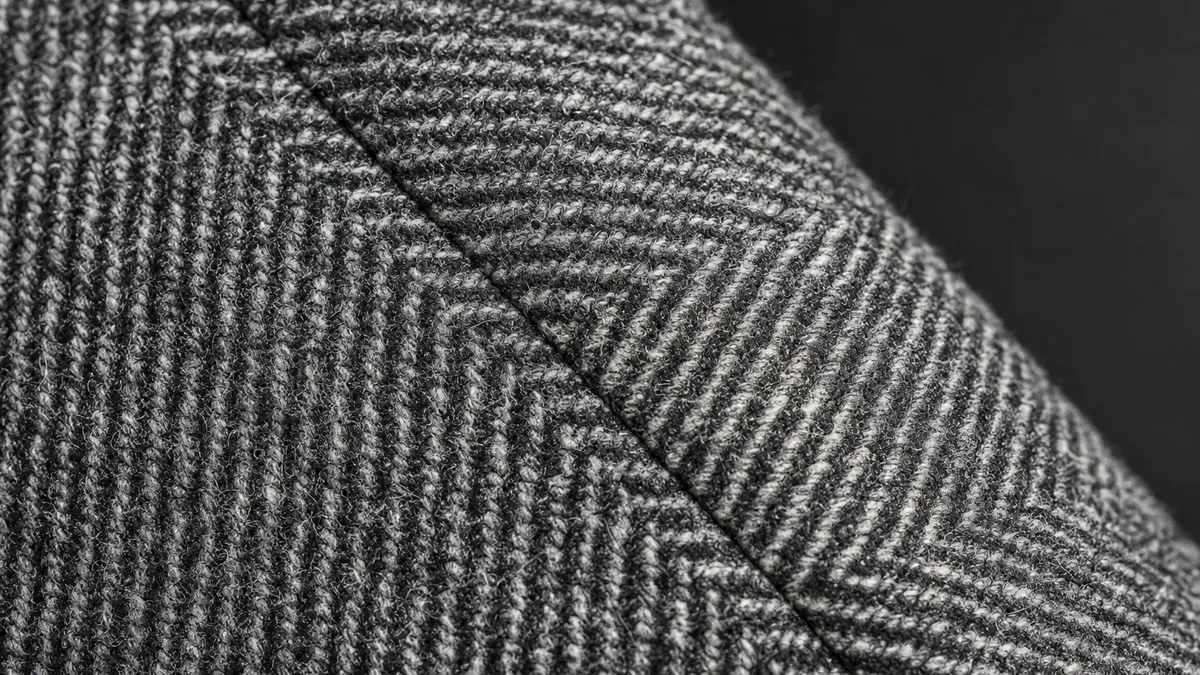 Authentic
 Photo angles for the check
- 1 Overall view
- 2 Logo / tag
- 3 Details & stitching
- 4 Material
Check your Logo T-Shirt right now
Snap photos of your item and get an AI verdict with a confidence score in about a minute.
FAQ
What should I check first on the Logo T-Shirt?
The typography: compare the letterforms, stroke weight and spacing of the “GIVENCHY” wordmark on both the print and the interior label against documented release references. Then judge print edge sharpness and cotton weight — that pair alone filters out most reps.
Is there a Givenchy code to verify the tee?
Givenchy has no public serial-number database to run. Authenticity comes from the full set: label and print typography, print quality, fabric weight, stitching, and a match against documented release references. A seller promising a “code check” is itself a warning sign.
Can I authenticate the tee from photos alone?
Yes, if the shots are detailed. Photograph the print up close, the interior brand label, the composition and care labels, and the hem stitching. LegitCheck AI reads the zones and returns a verdict with a confidence score, flagging “uncertain” when the angles fall short.
More Givenchy models
Other luxury clothing brands
Check another brand in this category: