Fendi · Authentication
FF Monogram Hoodie: real vs fake
The FF Monogram Hoodie wears Fendi’s Zucca pattern — Karl Lagerfeld’s repeating double “F”, one letter inverted against the other. The main test is the pattern itself: an even repeat rhythm, precise geometry in every “F” pair, and how the motif lines up at the seams; replicas break the rhythm and chop the monogram at random. Upload photos to LegitCheck AI to get the pattern, tags, and fabric checked in about a minute.
What to check on the FF Monogram Hoodie
Model-specific zones — on top of the brand-level signs.
FF pattern rhythm and spacing
The double-“F” repeats run at an even pitch horizontally and vertically, and the rows stay true. On replicas the intervals drift, rows slide, and the pattern density changes from zone to zone. Don’t invent exact repeat dimensions — match the rhythm to photos of an original.
Pattern alignment at the seams
On the original the motif is planned into the cutting: at visible seams the monogram meets cleanly, with no chaotic chopped letters. Fakes cut without regard for the pattern — at side seams and sleeves the “F” breaks off at random.
Double “F” geometry
Every “F” pair has equal stroke weight, a correct inversion of one letter, and a clean join. Replicas distort the proportions: crooked letters, an uneven gap, a shifted inverted “F”.
Fabric weight and hood
The fabric is heavy and dense, the hood holds its shape, and the drawcord and eyelets are clean. Replica jersey is thinner and looser, the hood is limp, and the hardware is small or set unevenly.
Interior tags
The woven Fendi label, size tag, and composition/care tag have clean fonts and even attachment, with a listed country of origin (often Italy). On fakes the fonts drift and the text layout differs from reference.
Ribbing, seams and stitching
The cuff and hem ribbing is dense and elastic, the seams run even, and the stitching doesn’t wander. Replica ribbing is slack and stretches out fast, and the stitch length drifts.
Where to inspect
The key zones to photograph and check on this type of item — a schematic, not a product photo.
- 1Neck label and tags
- 2Print and its printing
- 3Stitching and hem
- 4Shoulder and sleeve seam
- 5Fabric and weight
The difference is in the details — drag the slider
Typical differences in workmanship: stitching consistency, edge finishing, detail quality. Left — factory quality, right — common replica flaws.
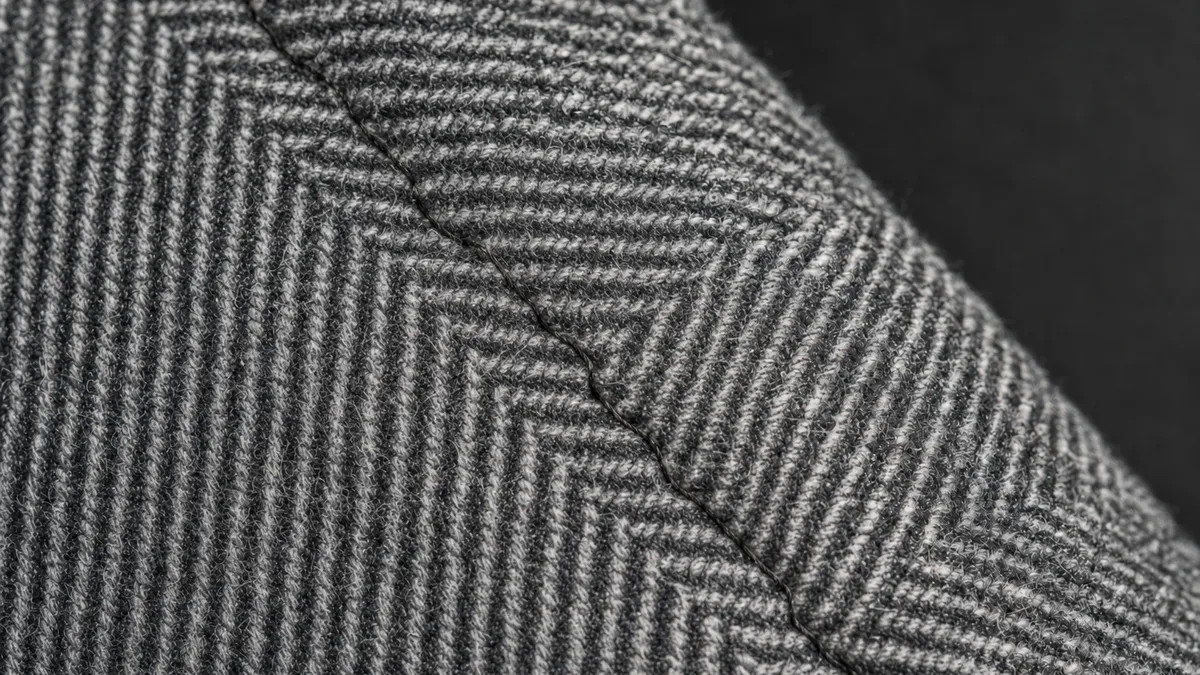 Replica
 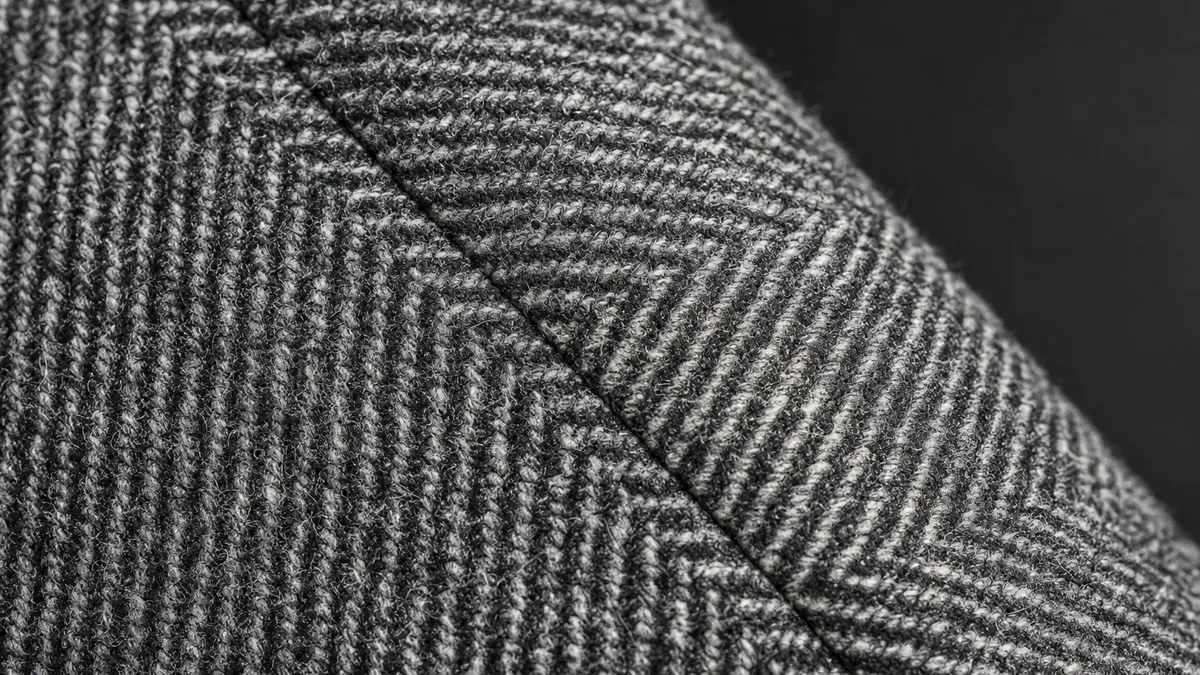 Authentic
 Photo angles for the check
- 1 Overall view
- 2 Logo / tag
- 3 Details & stitching
- 4 Material
Check your FF Monogram Hoodie right now
Snap photos of your item and get an AI verdict with a confidence score in about a minute.
FAQ
How do I check the FF pattern on the hoodie?
Look at three things: an even repeat pitch across the whole surface, precise geometry in every double “F”, and how the motif lines up at visible seams. Replicas break the rhythm and chop the monogram chaotically. Compare against photos of a confirmed original, not a general idea of the pattern.
What should I check on the FF Monogram Hoodie tags?
Inspect the woven Fendi label, the size tag, and the composition/care tag: clean fonts, even attachment, correct country of origin (often Italy). Fendi’s authentication elements have changed over time, so don’t rely on a single feature — judge the tags as a set.
Can I authenticate the hoodie from photos?
Yes. The pattern rhythm, seam alignment, tags, and fabric texture all read in images. Shoot the pattern close up, a side seam, the neckline with tags, and the overall look — LegitCheck AI analyzes each zone and returns a verdict with a confidence score.
More Fendi models
Other luxury clothing brands
Check another brand in this category: