Burberry · Authentication
Polo Shirt: real vs fake
The Polo Shirt is Burberry’s classic in dense piqué, usually with an embroidered Equestrian Knight or the logo of its era on the chest. The key zones are the piqué quality, the embroidery density, and the Burberry Check trim that many versions tuck under the collar or along the placket. Upload photos to LegitCheck AI and get the embroidery, piqué, and tags verified in about a minute.
What to check on the Polo Shirt
Model-specific zones — on top of the brand-level signs.
Piqué fabric
The genuine polo is knitted from dense piqué with an even, uniform grain; the fabric is springy and holds its shape. Replicas use thin, loose piqué with an uneven knit — the polo sags and stretches out fast.
Chest logo embroidery
The embroidered knight or era-appropriate logo uses a tight, fine stitch: the details read clearly, no threads stray, and the backing never shows through. On fakes the embroidery is loose, the knight’s silhouette blurs, and the outline runs ragged. The logo version must match the release era.
Check trim
Many versions hide the Burberry Check under the collar, along the inner placket, or in the side vents: the pattern is symmetrical, the tones clean, the joins tidy. Fakes show a drifting check with a muddy camel — or check trim in places the release never put it.
Collar, placket and buttons
The collar holds its shape without curling, the placket is evenly topstitched, the buttonholes are dense, and the buttons are neat and often brand-marked. Replica collars go limp, buttonholes fray, and buttons feel light and carelessly sewn.
Interior tags and the style code
The neck label has a crisp font and matches the logo of its era, and the size and composition/care tags print legibly; a style code appears on the tag, but there is no public lookup database — verify the tag set against release references.
Seams and cuffs
The side seams run even, the hem is tidy, and the sleeve cuffs are dense and springy. On fakes the stitch wanders, the vents sit crooked, and the cuffs are slack and uneven in width.
Where to inspect
The key zones to photograph and check on this type of item — a schematic, not a product photo.
- 1Neck label and tags
- 2Print and its printing
- 3Stitching and hem
- 4Shoulder and sleeve seam
- 5Fabric and weight
The difference is in the details — drag the slider
Typical differences in workmanship: stitching consistency, edge finishing, detail quality. Left — factory quality, right — common replica flaws.
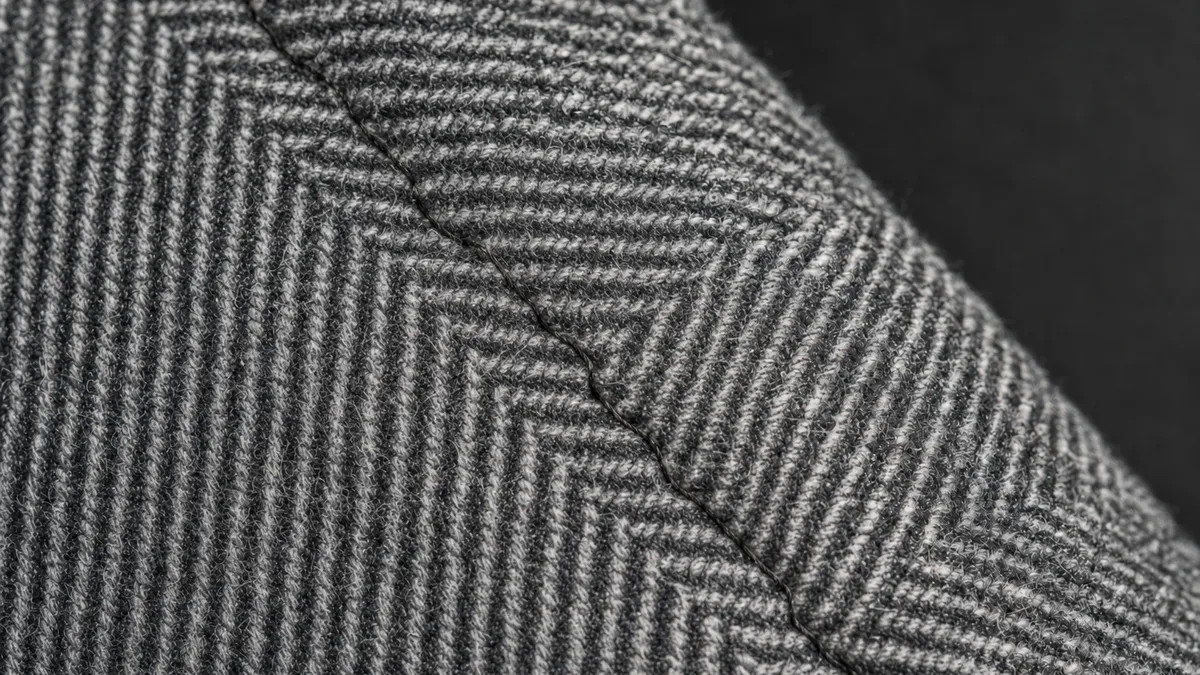 Replica
 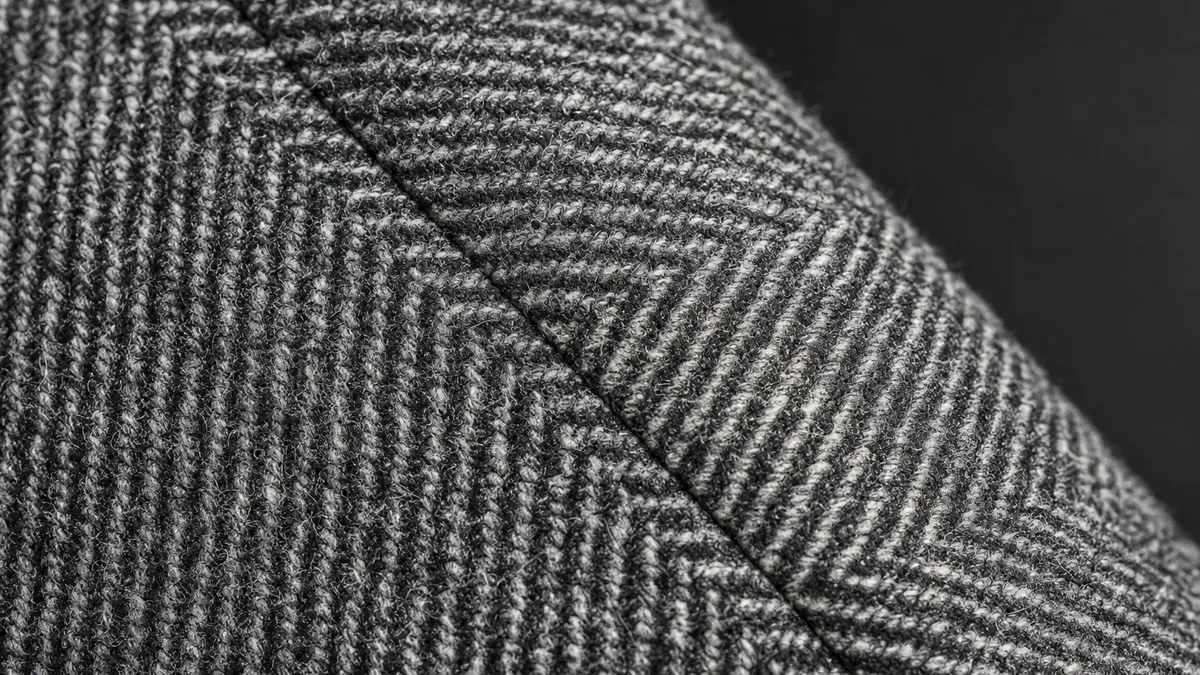 Authentic
 Photo angles for the check
- 1 Overall view
- 2 Logo / tag
- 3 Details & stitching
- 4 Material
Check your Polo Shirt right now
Snap photos of your item and get an AI verdict with a confidence score in about a minute.
FAQ
How do I check the embroidered knight on the polo?
Look at the stitch density and cleanliness: on the original the knight’s details read clearly, the outline runs even, and no threads stray. Compare the silhouette with photos of a confirmed original — replicas blur the figure and simplify the details. Note that the logo version depends on the release era.
Does every polo have the check trim?
No. The Burberry Check appears in the trim of many versions — under the collar, on the placket, or in the vents — but not all. Match the specific piece to photos of its release: check trim in the wrong place is as suspicious as a drifting pattern.
Are photos enough to authenticate it?
Yes. The piqué, embroidery, check trim, and tags all read in images. Shoot the logo close up, the underside of the collar, the placket, and the neck label — LegitCheck AI scores each zone and returns a verdict with a confidence percentage.
More Burberry models
Other luxury clothing brands
Check another brand in this category: